
Functional Medicine Articles
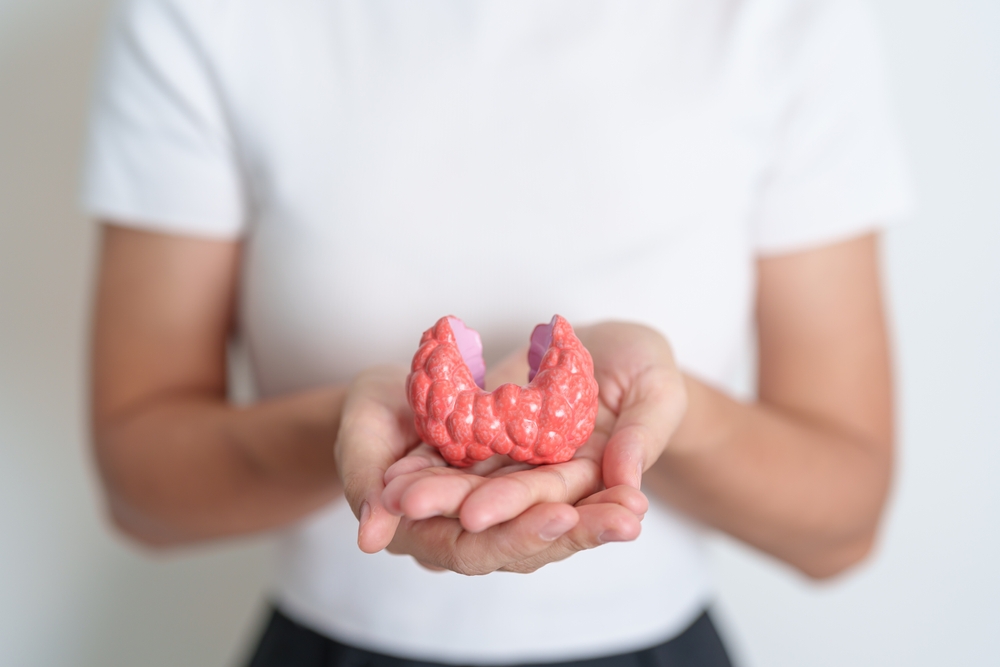
Comprehensive Autoimmune Patient Evaluation Methods
Most practitioners who work with autoimmune patients are missing the same thing: a sequenced evaluation process that accounts for clustering, tissue-specific antibodies, and gut-immune dynamics simultaneously. A standard ANA panel and a symptom checklist are not an...

Cross-Reactivity Patterns in Autoimmune Conditions
A common practitioner mistake: removing gluten from an autoimmune patient's diet, watching them improve initially, then losing the clinical thread when symptoms return weeks later. The assumption is compliance failure. The more likely explanation is cross-reactivity —...

Autoimmune Disease Mechanisms: Clinical Assessment Guide
Most practitioners ordering an ANA panel believe they are assessing for autoimmunity. They are not. They are checking one narrow immunological window while the actual mechanisms driving tissue destruction continue undetected. The clinical gap between standard...

SIBO and Malabsorption: Beyond Traditional Protocols
The recurrence rate for SIBO after standard antibiotic treatment approaches 99 percent. That number is not an indictment of the antibiotics — it is an indictment of stopping there. The Kharrazian Institute's clinical training teaches practitioners to treat SIBO as a...
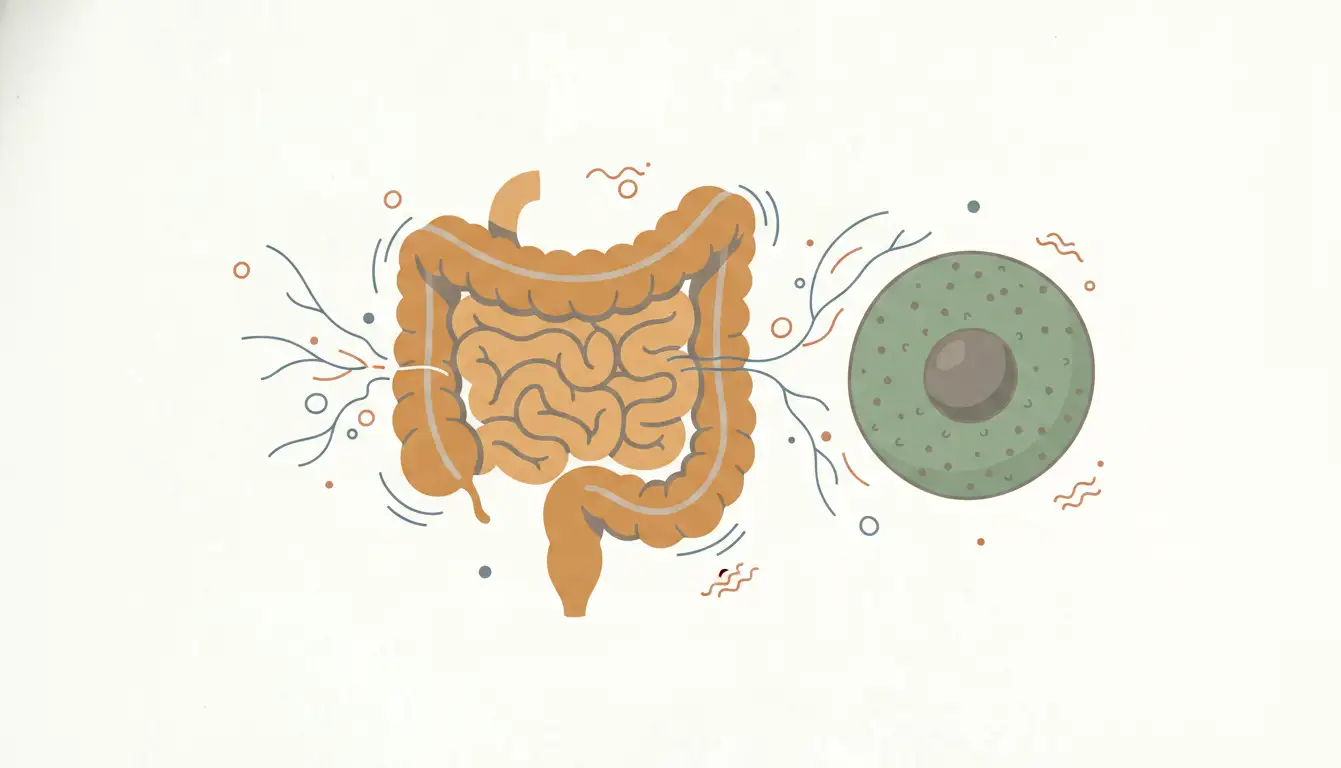
Intestinal Permeability Assessment for Practitioners
Most practitioners ordering gut permeability testing are measuring the wrong thing for the wrong patient at the wrong time. A zonulin panel comes back elevated, the practitioner notes "leaky gut," and the protocol begins — usually glutamine, probiotics, and a dietary...

Lifestyle Medicine Integration in Autoimmune Management
Most autoimmune patients arrive at a functional medicine practice already on a suppressive medication, already exhausted, and already told their diet doesn't matter. The research says otherwise. Dietary interventions, sleep quality, stress physiology, and toxic load...

Personalized Autoimmune Treatment Protocols for Practitioners
Most autoimmune patients arrive at a functional medicine clinic carrying the same thing: a diagnosis, a suppressive medication, and a list of symptoms that medication isn't touching. The practitioner who treats the diagnosis will get the same result the prescribing...

The Truth About Menopausal Hormone Therapy and Heart Health
In 2002, researchers published the results of the Women’s Health Initiative, a massive clinical trial designed to investigate the effects of menopausal hormone therapy (MHT) on postmenopausal women. The study claimed that hormone replacement therapy significantly...

Root Cause Analysis in Functional Medicine Practice
Most chronic disease patients arrive at a functional medicine office having already seen multiple specialists. Each specialist found something. Each one treated it. None of it resolved the underlying problem. This is not a failure of the individual clinician — it is a...

Functional Medicine Autoimmune Triggers: Clinical Assessment
Most practitioners treating autoimmune patients are managing the immune attack. Fewer are asking what started it. That distinction is the clinical divide between patients who stabilize and patients who cycle through flares indefinitely. The Kharrazian Institute's...

Advanced Laboratory Testing Strategies for Hashimoto’s Diagnosis
Most practitioners order TSH and call it a day. When it comes back normal, the patient is told their thyroid is fine — even when they have every clinical sign of Hashimoto's thyroiditis. The problem is not that the test is wrong. The problem is that TSH alone cannot...

Preventive Cardiology: How to Keep Heart Attacks at Bay
During a 2012 urgent care meet-and-greet, a woman visited Randy Vawdrey, NP-C, complaining of heartburn-like symptoms. Because she didn’t have insurance at the time, she couldn’t pay for expensive testing (such as an EKG). After going through a list of standard...