
Functional Medicine Articles

Nutritional Support vs. Pharmacological-Level Nutraceutical Dosing
There is a dosing conversation in functional medicine that most training programs skip entirely. The distinction between nutritional support dosing and pharmacological-level nutraceutical dosing changes patient outcomes, risk profiles, and the clinical reasoning...

Transitioning from a Product-Based Practice to a Consultative-Logic Model
Many functional medicine practitioners build their practices around supplement dispensing. The patient comes in, gets tested, receives a protocol, and buys the products. Revenue is tied to product sales. The model works until it doesn’t: margins shrink, patients...

Metabolic Priming: Preparing Patients for Successful Hormone Replacement
Prescribe hormones into a metabolically compromised patient and you are not replacing a deficiency – you are adding a signal to a system that cannot receive it. This is the clinical mistake that explains why so many patients on hormone replacement therapy report...

How to Better Navigate the Complexities of GI Lab Testing
Matthew, a 43-year-old engineer, developed cyclical headaches, nausea, facial numbness, and autonomic symptoms after a fishing trip. Despite exhaustive conventional evaluations, including extensive workups at the Mayo Clinic, neurologist and gastroenterologist visits,...
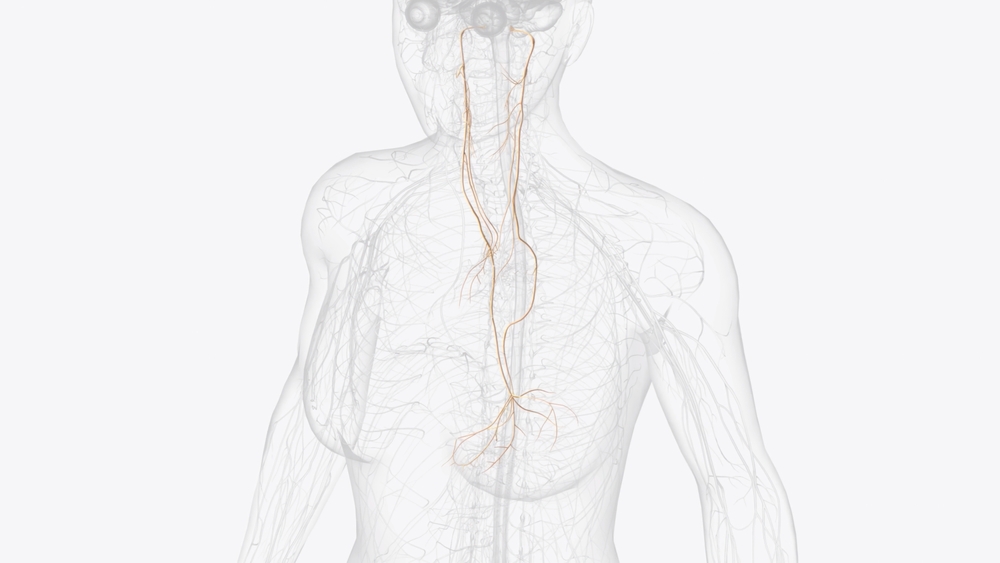
Vagal Tone: The Most Overlooked Factor in Chronic GI Motility Disorders
A practitioner treats a patient for years – prokinetics, elimination diets, motility agents, enzyme replacement – and the patient still cannot move food through their gut normally. The GI workup is negative for structural pathology. The gastroenterologist has run out...
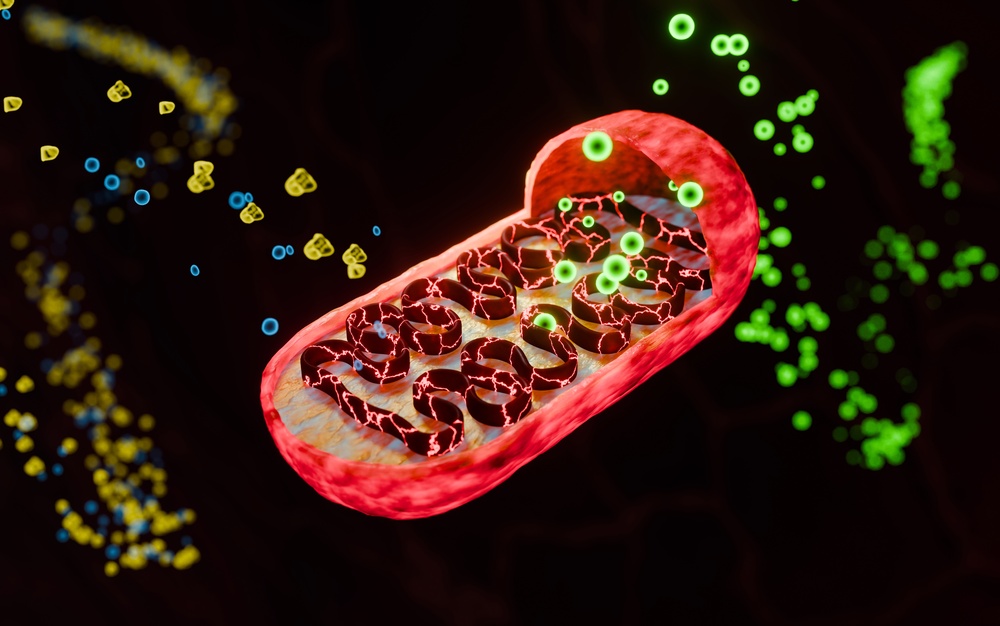
Clinically Assessing Mitochondrial Uncoupling Using Standard Lab Markers
Most practitioners ordering a CMP already have mitochondrial uncoupling lab markers in front of them. They’re just not reading them that way. AST, ALT, lactate, ammonia – these values routinely appear on standard panels, and in the right clinical context, they tell a...
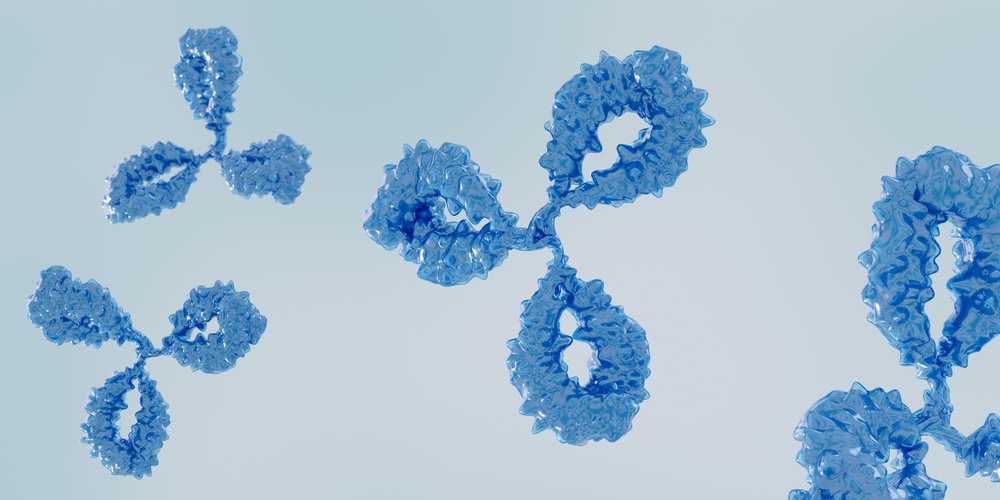
Antigens, Haptens, and Sudden-Onset Neuro-Autoimmunity
Practitioners make a common mistake when evaluating patients who develop neurological symptoms seemingly overnight: they search for what just happened, when the real question is what was already happening for months or years before the patient walked in. The...
The Kharrazian Method: Blood-Brain Barrier as a Primary Clinical Target
Most neuroinflammation protocols target the fire. The Kharrazian Method targets the structure that lets the fire start. The blood-brain barrier (BBB) is not a passive bystander in chronic neurological presentations – it is the mechanism. When it fails, everything...

Building Referral Networks with Conventional Specialists
Most practitioners who struggle to build referral relationships with conventional specialists are making the same mistake: leading with methodology instead of patient outcome. A cardiologist does not need to understand why you’re running an organic acids panel. They...

Staying Current with PubMed Research Without Losing Clinical Hours
Most practitioners don’t have a research problem. They have a filtering problem. PubMed adds thousands of new publications every week. Functional medicine, immunology, and neuroimmunology are among the fastest-moving fields in medicine. The literature doesn’t slow...

Maintaining Standard of Care While Using Emerging Functional Medicine Research
Most malpractice exposure in functional medicine doesn’t come from using the wrong protocol. It comes from practitioners who stopped coordinating with the rest of a patient’s care team. A patient with Hashimoto’s thyroiditis is also someone’s cardiology patient,...

Feeling Helpless? Here’s How to Diagnose Complex GI Cases
Imagine you have been working with an especially complex GI patient in your practice. They are experiencing bouts of bloating, early satiety, and erratic bowel habits. Over the course of multiple visits, you order an upper endoscopy, a colonoscopy, an abdominal CT,...