A common practitioner mistake is treating anxiety and depression as isolated neurological events while metabolic dysfunction drives the entire presentation. When a patient's mood symptoms don't respond to standard interventions, blood sugar dysregulation is frequently the variable no one measured. Dr. Datis Kharrazian's clinical training at the Kharrazian Institute addresses this connection directly, teaching practitioners how blood sugar mood disorders overlap through specific neuroinflammatory mechanisms that are well-documented in metabolic and neuroimmunology research.
The pathway is not abstract. Glucose dysregulation activates inflammatory cascades in the brain. Those cascades destabilize mood. Until the metabolic issue is addressed, psychiatric interventions are working against a biological current.
How Blood Sugar Fluctuations Drive Neuroinflammation
The brain consumes approximately 20 percent of the body's glucose despite representing only two percent of body weight. Stable glucose delivery is not optional for neurological function — it is the substrate that keeps neurons firing, neurotransmitters synthesizing, and glial cells in their resting, neuroprotective state.
When blood glucose drops, the body reads it as a physiological stressor. Research in neuroimmunology demonstrates that hypoglycemic episodes trigger the release of interleukin-6 (IL-6), a pro-inflammatory cytokine. IL-6 activates the M1 phenotype of primed microglial cells — the brain's resident immune cells. Once M1-polarized, those microglia shift from housekeeping functions to inflammatory signaling, releasing additional cytokines, reactive oxygen species, and glutamate. The result is an acute neuroinflammatory state that manifests clinically as irritability, anxiety, cognitive slowing, and emotional dysregulation.
This is not a slow process. Patients feel it within minutes of a glucose drop: shakiness, light-headedness, an irrational sense of dread or anger that seems to appear from nowhere. Most attribute it to stress. The mechanism is metabolic.
Why Primed Microglia Make Blood Sugar Drops So Damaging
Not every patient responds to blood sugar fluctuations the same way, and the reason is microglial priming. Dr. Kharrazian's coursework explains the concept extensively: microglia that have been previously sensitized by chronic inflammation, prior infections, traumatic brain injury, or persistent intestinal permeability are no longer in a naive resting state. They sit at a lower activation threshold, ready to shift into the M1 inflammatory phenotype with less provocation than healthy microglia would require.
For a patient without significant microglial priming, a missed meal might produce mild irritability. For a patient with primed microglia — which includes a substantial portion of chronic, complex patients — that same blood sugar drop can produce a pronounced neuroinflammatory event. Brain fog thickens, emotional regulation collapses, anxiety spikes. The clinical picture can mimic a psychiatric episode.
This is why two patients with identical dietary patterns can have wildly different mood responses to the same glucose fluctuation. The metabolic trigger is the same. The neuroimmunological terrain is not.
Does Hyperglycemia Contribute to Mood Disorders Too?
The clinical focus often lands on hypoglycemia because the symptoms are acute and unmistakable. Hyperglycemia presents a different but equally significant problem.
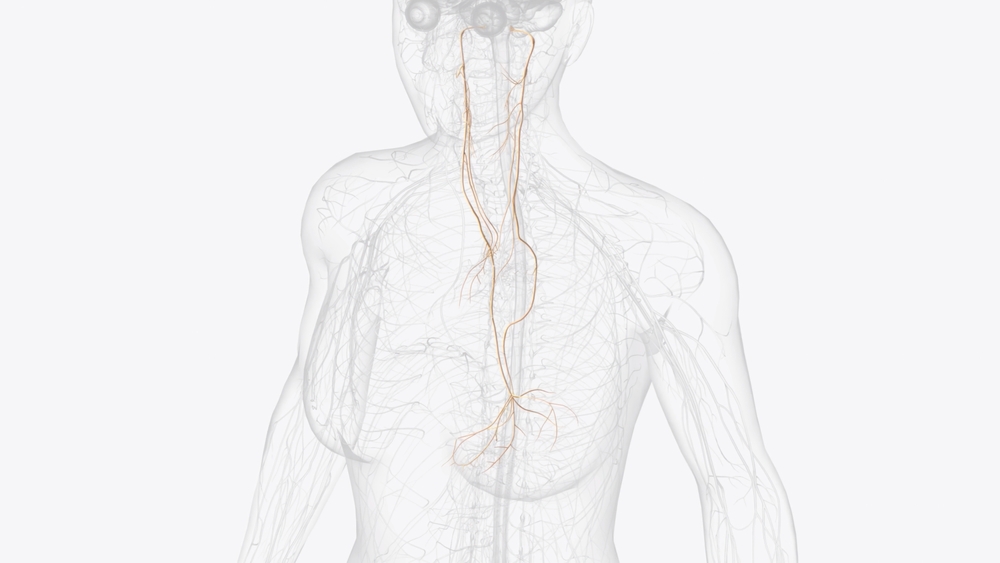
Research on glucose metabolism and anxiety consistently links elevated HbA1c with increased inflammatory burden. Chronically high blood glucose generates advanced glycation end-products (AGEs), which activate the receptor for advanced glycation end-products (RAGE) and sustain low-grade systemic inflammation. That systemic inflammation crosses the blood-brain barrier through multiple mechanisms, including cytokine transport proteins and vagal afferent signaling, and directly promotes neuroinflammation.
Uncontrolled type 2 diabetes with persistently elevated HbA1c does not just damage peripheral nerves and the vasculature. It sustains the same M1 microglial activation that acute hypoglycemia triggers transiently. The mood consequences are less dramatic moment to moment but more continuous — a baseline of low-grade depression, cognitive dullness, and emotional flatness that practitioners often attribute to the psychosocial burden of managing a chronic disease rather than to the metabolic mechanism itself.
Both ends of the glucose dysregulation spectrum feed neuroinflammation. Stabilizing blood sugar is not just about avoiding lows.
Insulin Resistance, Mood, and the Brain Energy Problem
Research on insulin resistance and mood introduces a third mechanism distinct from acute hypoglycemia and chronic hyperglycemia. Insulin receptors are present throughout the brain. Insulin signaling in the central nervous system influences neuronal glucose uptake, synaptic plasticity, dopamine signaling, and the regulation of the hypothalamic-pituitary-adrenal axis.
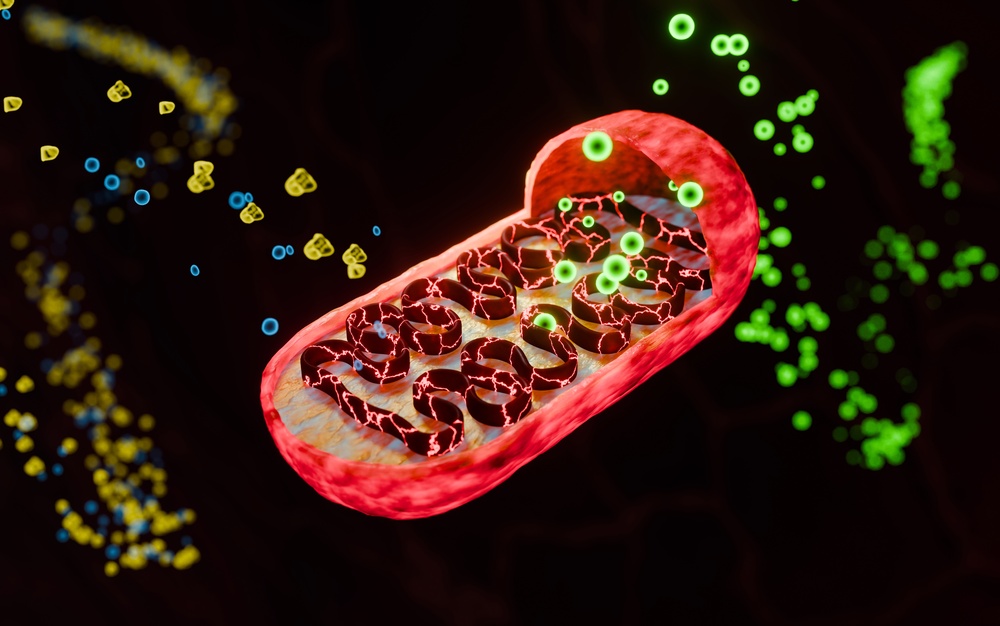
When insulin resistance develops peripherally, central insulin resistance often follows. Neurons become less efficient at taking up glucose regardless of circulating levels. The practical result is reduced brain ATP production — and here the clinical picture clarifies. Brain ATP is required for neurotransmitter synthesis. Dopamine, serotonin, and GABA synthesis all depend on adequate cellular energy. When brain ATP drops, neurotransmitter production drops, and mood follows predictably downward.
Depression in this context is not a primary psychological disorder. It is a downstream consequence of impaired neuronal energy metabolism. Anxiety in this context is not a trait — it is a physiological signal of a brain under metabolic stress. The research synthesized in Dr. Kharrazian's coursework teaches practitioners to recognize this sequence and address the metabolic driver before layering additional interventions.
Clinical Assessment: What to Look For Before Assuming a Psychiatric Diagnosis
The clinical history questions that reveal blood sugar-driven mood instability are straightforward once practitioners know to ask them. Does the patient's anxiety or irritability worsen when meals are skipped or delayed? Do mood symptoms improve after eating, then return two to three hours later, suggesting reactive hypoglycemia? Does the patient report waking between 2 and 4 a.m. with anxiety or racing thoughts — a pattern consistent with nocturnal glucose drops triggering cortisol release?
Standard lab work provides additional data. Fasting glucose and HbA1c establish the baseline metabolic picture. Fasting insulin is more sensitive for detecting early insulin resistance than fasting glucose alone; many patients with normal fasting glucose already have significantly elevated fasting insulin. A two-hour postprandial glucose test, or a structured glucose tolerance assessment, can reveal reactive hypoglycemia that fasting labs miss entirely.
Practitioners trained through KI's functional medicine psychiatry curriculum learn to read this metabolic data in the context of the full neuroinflammatory picture, rather than treating it as a separate endocrine concern that belongs in a different clinical silo.
Dietary Strategies for Stabilizing Blood Sugar in Mood Disorder Patients
The dietary interventions that stabilize blood sugar for mood management are not exotic. They are consistent across the research and center on one principle: prevent the glucose spikes and drops that drive inflammatory cycling.
- Eliminate simple sugars and refined carbohydrates that generate rapid postprandial glucose spikes followed by reactive drops.
- Prioritize protein and fat at each meal to slow gastric emptying and blunt the glycemic response to carbohydrate intake.
- Time meals to prevent extended fasting periods in patients with reactive hypoglycemia, particularly during the early phases of treatment before metabolic stability is established.
- Address intestinal permeability if present, since gut-derived lipopolysaccharides (LPS) amplify systemic inflammation and lower the microglial activation threshold, making blood sugar drops more neurologically damaging.
The sequencing matters. Attempting to address complex neuroinflammatory or neuroimmunological contributors to mood disorders in a patient whose blood glucose is cycling throughout the day is clinically inefficient. Each glucose drop is re-triggering the inflammatory cascade. Blood sugar stabilization is not one tool among many — it is the floor on which other interventions stand.
Key Takeaways
- Hypoglycemic episodes activate IL-6 and trigger M1 microglial polarization, producing acute neuroinflammation that manifests as anxiety, irritability, and cognitive impairment.
- Microglial priming from prior inflammatory exposures lowers the threshold for blood sugar-triggered neuroinflammatory events, explaining why some patients are far more symptomatic than their metabolic labs suggest.
- Chronic hyperglycemia sustains low-grade neuroinflammation through AGE/RAGE signaling, contributing to persistent depression and cognitive dullness.
- Central insulin resistance impairs neuronal ATP production, reducing neurotransmitter synthesis and producing mood disorders that are metabolic in origin rather than primarily psychological.
- Stabilizing blood sugar is a clinical prerequisite before adding more complex interventions in patients with metabolic dysfunction and mood instability.
Frequently Asked Questions
Hypoglycemia triggers IL-6 release, which activates M1-polarized microglia in the brain. This neuroinflammatory response produces anxiety, irritability, and cognitive slowing within minutes. The physiological stress response also elevates cortisol and epinephrine during glucose drops, compounding the anxious presentation through hormonal as well as neuroimmunological pathways.
Research on insulin resistance and mood shows that central insulin resistance reduces neuronal glucose uptake and ATP production, which impairs neurotransmitter synthesis. Reduced dopamine and serotonin availability follows directly from impaired brain energy metabolism. Depression in this context is a downstream metabolic consequence, not a primary psychological disorder.
Fasting glucose, HbA1c, and fasting insulin provide the baseline picture. Fasting insulin is particularly useful for detecting early insulin resistance before fasting glucose becomes abnormal. A two-hour postprandial glucose test or glucose tolerance test can reveal reactive hypoglycemia that standard fasting panels miss.
Functional medicine psychiatry, as taught in Dr. Kharrazian's clinical training, investigates the metabolic, neuroimmunological, and gastrointestinal drivers of mood symptoms before or alongside psychiatric intervention. The goal is to identify and address the biological mechanisms sustaining the mood disorder rather than managing symptoms alone.
Meal-skipping produces glucose drops that activate microglial neuroinflammation. In patients with primed microglia, this produces pronounced mood deterioration disproportionate to the degree of glucose change. The pattern — mood instability that worsens with delayed meals and improves after eating — is a reliable clinical indicator of blood sugar-driven neuroinflammatory cycling.
About the Author
Dr. Datis Kharrazian, PhD, DHSc, DC, MS, MMSc, FACN is a Harvard Medical School research fellow and researcher at Massachusetts General Hospital's Department of Neurology, specializing in autoimmunity and neuroimmunology. He serves as Associate Clinical Professor at Loma Linda University School of Medicine and is the author of Why Do I Still Have Thyroid Symptoms When My Lab Tests Are Normal and Why Isn't My Brain Working. He is a Fellow of the American College of Nutrition, a Diplomate of the Board of Nutrition Specialists, a member of the American Association of Immunologists, and a Fellow of the Royal Society of Medicine (UK). The Kharrazian Institute serves more than 5,000 physicians and healthcare providers worldwide.
Dr. Kharrazian's clinical training in functional medicine psychiatry equips practitioners to assess and address the metabolic drivers of mood disorders, including blood sugar dysregulation, neuroinflammation, and neuroimmunological dysfunction. Learn more about the Kharrazian Institute's practitioner training programs.