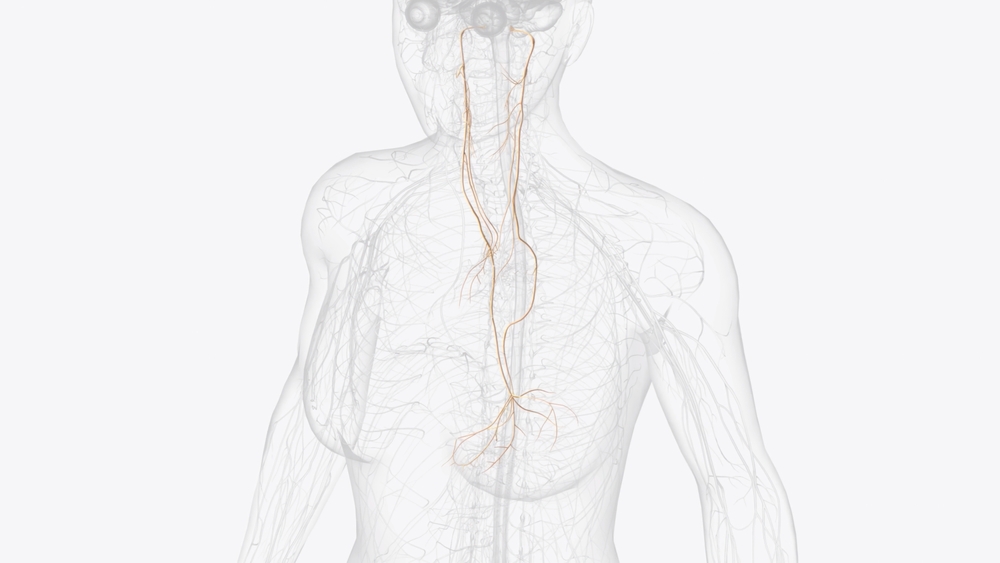
Most aging protocols treat hormones, inflammation, and neurological decline as separate problems requiring separate interventions. That diagnostic habit is the core reason so many aging patients plateau. The nervous system, endocrine system, and immune system do not operate independently — they share signaling molecules, receptor sites, and feedback loops that become progressively less efficient with age. Dr. Datis Kharrazian's clinical training at the Kharrazian Institute addresses this integration directly, teaching practitioners how to assess and support these systems as a single functional unit rather than isolated targets.
Why Systems-Based Aging Assessment Changes the Clinical Picture
A patient presenting with fatigue, cognitive slowing, and recurrent infections is not presenting with three problems. They may be presenting with one: breakdown in neuroendocrine-immune communication. Each of these systems speaks the same molecular language. Cytokines influence hypothalamic-pituitary signaling. Cortisol modulates lymphocyte activity. Sex hormones regulate microglial behavior in the brain. When one system loses efficiency, the downstream effects move through all the others.
Aging accelerates this breakdown. The hypothalamic-pituitary-adrenal axis becomes less precise in its cortisol regulation. Sex hormone production declines. Thymic involution reduces naive T-cell output. Simultaneously, the hypothalamic-pituitary-gonadal axis loses the rhythmic hormonal cycling that previously kept immune tone calibrated. The result is a system that was once coordinated and adaptive becoming rigid and reactive. Practitioners who assess only one axis at a time will consistently underestimate the scope of what is happening.
Inflammaging: The Immune Component of Accelerated Aging
Inflammaging refers to the chronic, low-grade inflammatory state that characterizes biological aging. It is not a single disease process. It is the cumulative output of immune dysregulation sustained over years or decades.
Research in immunogerontology identifies several converging drivers: cellular senescence leading to SASP (senescence-associated secretory phenotype) cytokine release, declining regulatory T-cell function, increased NF-κB activation, and reduced IL-10 output. The clinical consequence is an immune system that cannot mount a precise acute response and cannot fully resolve inflammation once triggered. This is the environment in which chronic diseases of aging take hold.
Hormonal decline amplifies the problem. Estrogen has well-documented anti-inflammatory properties, particularly through its modulation of macrophage polarization toward an M2 phenotype. Testosterone supports regulatory immune tone and mitochondrial function in immune cells. As both decline with age, the inflammatory brake loses mechanical advantage. The practitioner who treats inflammaging without addressing the hormonal context is working against the underlying physiology.
How Hormonal Decline Disrupts Mitochondrial and Cellular Function
Mitochondrial health is not a separate aging variable. Hormonal signaling is one of its primary regulators.
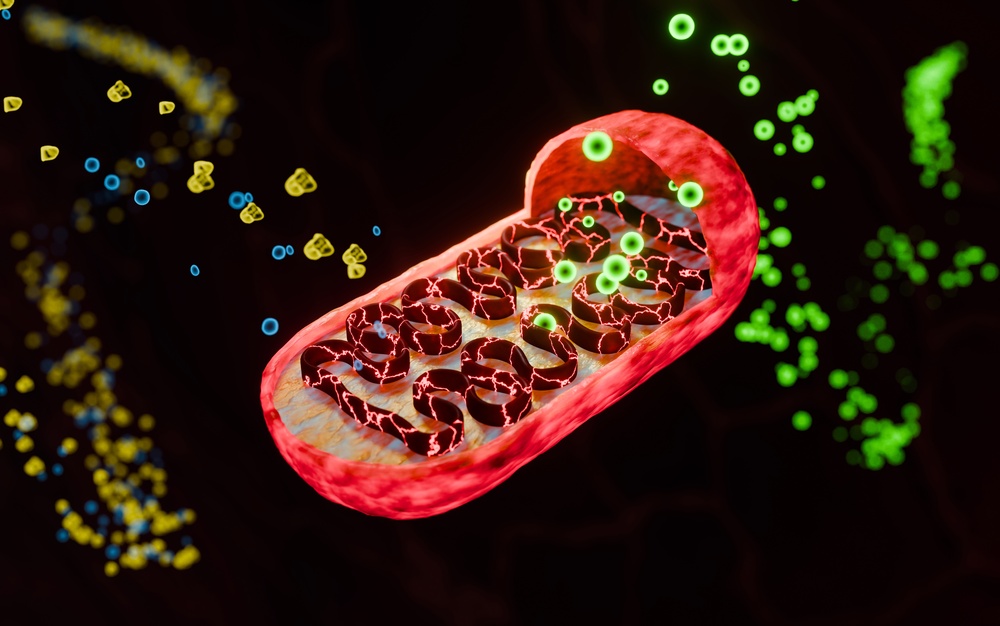
Estrogen promotes mitochondrial fusion, the process by which fragmented mitochondria merge to restore function and reduce reactive oxygen species output. Testosterone supports mitochondrial biogenesis through PGC-1α activation. Thyroid hormone governs the basal rate of mitochondrial respiration. When all three decline simultaneously — which is common in perimenopause, andropause, and subclinical thyroid dysfunction — mitochondrial quality degrades across multiple tissue types at once.
The clinical presentation of this convergence is rarely dramatic. Patients describe gradual fatigue that sleep no longer resolves, cognitive fog that was not present five years earlier, and a recovery time from physical or psychological stress that keeps lengthening. These are not vague complaints. They are the observable outputs of declining cellular energy production across tissues that require sustained ATP output: the brain, skeletal muscle, and immune cells. Dr. Kharrazian's clinical training emphasizes recognizing this pattern as a systems-level event rather than attributing each symptom to its own isolated cause.
What Physiological Resilience Actually Means in Aging Patients
Physiological resilience is the capacity of integrated biological systems to withstand a stressor and return to functional baseline. In younger patients with well-coordinated neuroendocrine-immune signaling, this capacity is substantial. In aging patients with compromised communication across those systems, the same stressor — an infection, a sleep disruption, a psychological stress event, an intense exercise bout — can push the system past recovery threshold.
This has a direct clinical implication. Interventions that would be therapeutic in a resilient system can be destabilizing in a depleted one. High-intensity exercise, aggressive detoxification protocols, and caloric restriction all require adequate adrenal reserve, mitochondrial capacity, and immune regulation to be tolerated. Prescribing these interventions without assessing the patient's current resilience threshold is a consistent source of clinical regression in aging patients.
The practical evaluation question shifts from "what intervention is evidence-based for aging?" to "what is this patient's current capacity to respond to an intervention?" Both questions matter. The second one is asked less often.
Lifestyle Variables With Direct Neuroendocrine-Immune Impact
Sleep is not a passive recovery state. During slow-wave sleep, growth hormone secretion peaks, regulatory T-cell trafficking increases, and the glymphatic system clears metabolic waste from brain tissue — including the amyloid beta and tau proteins implicated in neurodegeneration. Chronic sleep disruption dysregulates cortisol rhythm, suppresses anabolic hormone output, and raises systemic inflammatory markers. In aging patients, where all of these systems are already operating with less reserve, sleep impairment is not a symptom to manage last.
Time-restricted feeding influences circadian entrainment of metabolic and immune gene expression. Research in chronobiology demonstrates that feeding patterns regulate peripheral circadian clocks in liver, adipose, and immune tissues independently of the central hypothalamic clock. Aligning feeding windows with daylight hours improves insulin sensitivity, reduces inflammatory cytokine output, and supports cortisol rhythmicity. The mechanism is not caloric restriction alone — it is circadian signaling restoration.
Exercise operates on neuroendocrine-immune function through multiple pathways: myokine release (particularly IL-6 in its anti-inflammatory post-exercise context), BDNF upregulation supporting hypothalamic function, and mitochondrial biogenesis in both muscle and immune cells. The dose, however, matters considerably in aging patients with reduced resilience. Moderate aerobic exercise and resistance training improve these markers. Overtraining in patients with low adrenal reserve worsens them.
Purpose and social connection have measurable neuroendocrine-immune correlates. Research in psychoneuroimmunology links social isolation to elevated NF-κB activity and reduced antiviral gene expression. Conversely, meaningful social engagement and a sustained sense of purpose associate with lower IL-6, better HPA axis regulation, and slower telomere shortening. These are not soft variables. They are biological inputs with quantifiable outputs, and Dr. Kharrazian's clinical teaching places them in the same category as nutritional and hormonal interventions.
Integrated Clinical Assessment: What Practitioners Should Be Evaluating
A systems-based aging assessment does not require a different set of tests. It requires interpreting existing tests through an integrated lens. Cortisol rhythm patterns speak to HPA axis efficiency and its downstream immune effects. Sex hormone panels, when read alongside inflammatory markers and thyroid function, reveal whether hormonal decline is driving immune dysregulation or vice versa. Fasting glucose, insulin, and HbA1c reflect metabolic input to the neuroendocrine-immune axis. CBC with differential can show shifts in lymphocyte-to-monocyte ratios that indicate immune tone changes consistent with inflammaging.
The integration step is where most practitioners lose clinical ground. Seeing a low testosterone and a high hsCRP as two separate findings rather than as related data points in a single physiological story means the treatment plan will address each in isolation. Testosterone support without addressing the inflammatory driver may produce incomplete results. Anti-inflammatory intervention without recognizing the hormonal contribution will be similarly limited.
Dr. Kharrazian's clinical training at the Kharrazian Institute teaches practitioners a structured sequence of thought for reading these patterns together — identifying which system is most compromised, how it is affecting the others, and in what order interventions are likely to produce the most systemic benefit.
Key Takeaways
- The nervous, endocrine, and immune systems share signaling pathways that decline together during aging — not independently.
- Inflammaging results from sustained immune dysregulation that is amplified by hormonal decline, particularly losses in estrogen and testosterone.
- Hormonal deficiencies compromise mitochondrial function, which manifests as fatigue, cognitive decline, and impaired stress recovery.
- Physiological resilience determines whether a given intervention will be therapeutic or destabilizing — and must be assessed before protocols are prescribed.
- Sleep, feeding timing, exercise dose, and psychosocial inputs have direct, measurable effects on neuroendocrine-immune integration in aging patients.
Frequently Asked Questions
Hormones such as estrogen, testosterone, and cortisol directly regulate immune cell activity, inflammatory cytokine output, and immune resolution pathways. As hormone levels decline with age, the immune system loses key modulatory signals, contributing to chronic low-grade inflammation and impaired immune responses.
Inflammaging is the chronic, low-grade inflammatory state that develops during biological aging due to sustained immune dysregulation. It drives or amplifies most chronic diseases associated with aging, including cardiovascular disease, neurodegeneration, and metabolic dysfunction, and is directly influenced by hormonal and neuroendocrine changes.
Sleep governs growth hormone secretion, regulatory immune cell activity, and glymphatic brain clearance. Disrupted sleep raises cortisol at night, suppresses anabolic hormone output, and elevates inflammatory markers — a combination that accelerates neuroendocrine-immune decline in aging patients already operating with reduced physiological reserve.
Interventions such as high-intensity exercise, fasting, or aggressive detoxification require adequate adrenal reserve, mitochondrial capacity, and immune regulation. When physiological resilience is already low, these same interventions can exceed recovery threshold rather than build capacity, producing regression instead of improvement.
A systems-based assessment evaluates HPA axis rhythm, sex hormone status, thyroid function, inflammatory markers, and metabolic indicators as an integrated data set. The goal is to identify how decline in one system is affecting the others — and to sequence interventions accordingly rather than treating each finding independently.
About the Author
Dr. Datis Kharrazian, PhD, DHSc, DC, MS, MMSc, FACN is a Harvard Medical School research fellow and researcher at Massachusetts General Hospital Department of Neurology specializing in autoimmunity and neuroimmunology. He serves as Associate Clinical Professor at Loma Linda University School of Medicine and is the author of Why Do I Still Have Thyroid Symptoms When My Lab Tests Are Normal and Why Isn't My Brain Working. He is a Fellow of the American College of Nutrition, Diplomate of the Board of Nutrition Specialists, member of the American Association of Immunologists, and Fellow of the Royal Society of Medicine (UK). The Kharrazian Institute serves more than 5,000 physicians and healthcare providers worldwide.
Continue Your Training
The Kharrazian Institute offers advanced clinical training in neuroendocrine-immune system assessment and aging. Explore current courses at kharrazianinstitute.com.