The serotonin hypothesis of depression has driven psychiatric treatment for decades. It has also produced a patient population that takes SSRIs indefinitely, never fully recovers, and cycles through medication adjustments while the underlying physiology goes unaddressed. Neuroinflammation research has accumulated enough evidence to demand a different clinical conversation — and it's one that Dr. Datis Kharrazian and the Kharrazian Institute have been bringing to practitioners for years.
The clinical implication is direct: when a patient presents with depression or anxiety that hasn't responded to conventional treatment, neuroinflammation belongs on the differential. Not as a vague contributing factor, but as a primary mechanism with identifiable drivers and addressable causes.
Why the Serotonin Model Leaves Patients Behind
Serotonin deficiency as the cause of depression was always more hypothesis than established fact. The original model was inferred from the mechanism of early antidepressants, not derived from direct measurement of serotonin deficiency in depressed patients. Decades of research in psychiatry and neuroscience have since complicated that picture considerably.
What neuroinflammation research now demonstrates is that cytokine signaling, glial cell activation, and blood-brain barrier dysfunction can each independently produce symptoms that are clinically indistinguishable from a primary mood disorder. Elevated pro-inflammatory cytokines — particularly IL-6, TNF-alpha, and IL-1 beta — suppress tryptophan conversion toward serotonin and redirect it through the kynurenine pathway, generating neurotoxic metabolites. The result is lowered mood, cognitive slowing, and fatigue. This is not a serotonin deficiency. It is an inflammatory process that happens to suppress serotonin as a downstream consequence.
Prescribing a serotonin reuptake inhibitor in that context is treating the output, not the mechanism. Dr. Kharrazian's clinical training teaches practitioners to ask what is driving the inflammatory signal before reaching for a neurotransmitter-based solution.
Neuroinflammation as a Primary Driver of Mood Symptoms
Glial cells — microglia and astrocytes — are the brain's resident immune cells. Under normal conditions, they maintain synaptic integrity and clear cellular debris. When chronically activated, they release pro-inflammatory mediators that damage neurons, disrupt neurotransmitter synthesis, and impair synaptic signaling. This state is called glial priming.
Primed microglia don't require a new inflammatory insult to sustain activation. Once sensitized, they respond to minor physiological stressors — poor sleep, glycemic dysregulation, transient infections — with an amplified inflammatory response. Patients with primed glial cells often describe mood crashes following events that others tolerate without consequence: a disrupted sleep cycle, a stressful week, a missed meal. Practitioners frequently attribute this to psychological fragility. The neuroscience points instead to a chronically activated central immune system.
The clinical teaching at the Kharrazian Institute is grounded in identifying what initially primed the glial cells and what is maintaining that activation. Sleep deprivation, blood sugar instability, chronic infections, and systemic inflammation from intestinal permeability are among the most common perpetuating factors. Addressing mood without addressing glial activation leaves the core pathophysiology intact.
How Intestinal Permeability Reaches the Brain
The gut-brain connection in mood disorders is not metaphorical. Intestinal permeability creates the conditions for systemic immune activation, which then drives neuroinflammation through a sequence that research in gastroenterology and neuroimmunology has documented extensively.
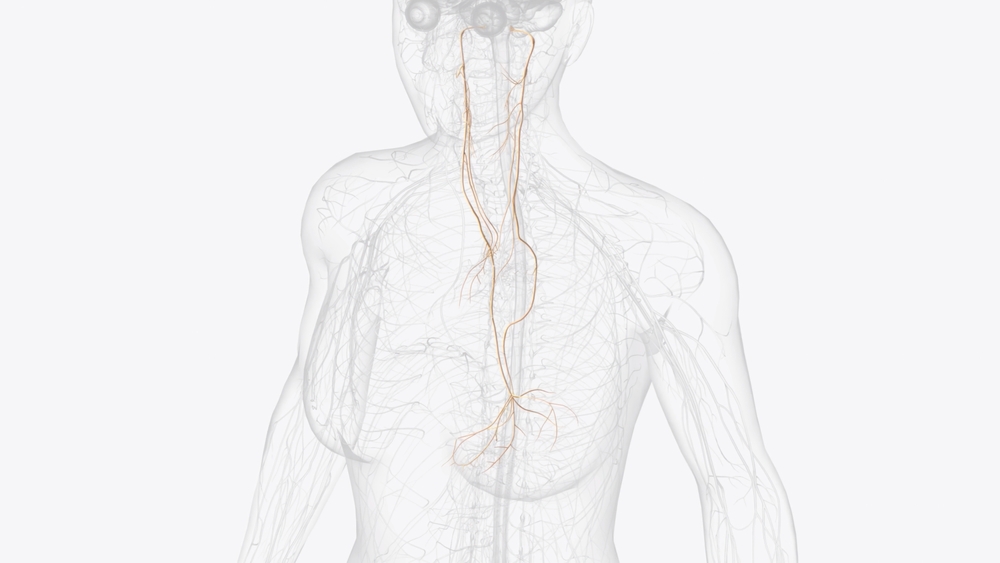
When tight junction integrity breaks down in the gut epithelium, bacterial lipopolysaccharides (LPS) enter systemic circulation. LPS is a potent activator of toll-like receptor 4 (TLR4) signaling, triggering the release of pro-inflammatory cytokines throughout the body. Those cytokines cross or circumvent the blood-brain barrier through multiple mechanisms: active transport, vagal afferent signaling, and direct passage at regions where the barrier is structurally thinner. Once inside the central nervous system, they activate microglia.
This means a patient's anxiety or depression may be partially maintained by an intestinal barrier problem that has never been investigated. Dr. Kharrazian's coursework teaches practitioners to evaluate intestinal permeability not as a separate gastrointestinal concern but as a neurological one, particularly in mood disorder patients who also present with food sensitivities, bloating, or a history of antibiotic overuse.
Blood-Brain Barrier Integrity and Mood Dysregulation
The blood-brain barrier functions as both a physical and biochemical gate. Tight junctions between cerebrovascular endothelial cells restrict passage of large molecules, immune cells, and neurotoxic compounds. When those tight junctions degrade, the brain's privileged immune environment is compromised.
Research in neuroimmunology identifies several factors that reliably disrupt blood-brain barrier integrity: chronic psychological stress via elevated cortisol and glutamate excitotoxicity, systemic inflammation, hypoxia, and circulating LPS from intestinal permeability. Once the barrier is permeable, the consequences compound quickly. Neurotoxic bacterial metabolites enter. Peripheral immune cells infiltrate. In patients with autoimmune conditions, circulating autoantibodies gain access to brain tissue.
Autoantibodies targeting cerebellar tissue, glutamate receptors, or myelin have been identified in patients presenting primarily with psychiatric symptoms. The presence of these antibodies reflects both a permeable blood-brain barrier and an immune system that has lost tolerance to self-tissue. Neither factor resolves with antidepressant therapy. Dr. Kharrazian's clinical training addresses this directly, including how to identify patients in whom an autoimmune neurological component may be contributing to mood disorder presentation.
Applying a Functional Medicine Sequence of Thought to Mood Disorders
The functional medicine sequence of thought for mood disorders begins with a question that conventional psychiatry rarely asks: what is producing this symptom physiologically, and is that process addressable?
The clinical evaluation shifts to include:
- Inflammatory markers — CRP, ESR, cytokine patterns where available, and clinical indicators of systemic inflammation
- Intestinal permeability assessment — patient history, symptom patterns, and relevant laboratory markers
- Blood sugar regulation — fasting glucose, HbA1c, and symptom correlation with eating patterns, since glycemic instability is among the most reliable drivers of glial activation
- Sleep quality — not as a lifestyle recommendation but as a direct modulator of microglial clearance activity, which occurs primarily during deep sleep via the glymphatic system
- Thyroid function — low thyroid hormone suppresses brain ATP production and dopamine availability; depression in the context of subclinical hypothyroidism is biochemically predictable
- Autoimmune screening — particularly in patients with treatment-resistant mood symptoms and a personal or family history of autoimmune disease
This is not a comprehensive checklist — it is a directional shift in how the clinical encounter is structured. The practitioner's job is to identify which physiological systems are contributing to neuroinflammation and address them in a prioritized, evidence-based sequence.
Lifestyle Factors Are Not Adjuncts — They Are Mechanisms
Sleep, exercise, and stress management are often presented to patients as supportive measures alongside pharmaceutical treatment. The neuroscience positions them differently. They are direct modulators of the primary mechanisms involved in neuroinflammation and mood.
Sleep deprivation increases microglial activation and impairs glymphatic clearance of inflammatory proteins from the brain. A single night of disrupted sleep measurably elevates inflammatory markers. In a patient with already-primed glial cells, chronic poor sleep is not a contributing factor — it is a perpetuating mechanism that undermines any other clinical intervention.
Aerobic exercise increases brain-derived neurotrophic factor (BDNF), supports neurogenesis in the hippocampus, and has been shown in research to reduce pro-inflammatory cytokine levels. The anti-inflammatory effect of regular moderate exercise on central nervous system function is not trivial. Stress physiology operates through cortisol's well-documented capacity to increase intestinal permeability, suppress immune regulation, and activate the HPA axis in ways that sustain neuroinflammatory states.
For practitioners trained in the approach Dr. Kharrazian teaches, these are not lifestyle recommendations offered for general wellness. They are clinical interventions aimed at specific physiological targets in patients where neuroinflammation is identified as a driver of mood symptoms.
Key Takeaways
- The serotonin deficiency model does not account for the neuroinflammatory mechanisms that research now identifies as primary drivers of depression and anxiety in a significant subset of patients.
- Glial priming creates a chronically sensitized central immune state in which minor physiological stressors produce disproportionate mood dysregulation.
- Intestinal permeability drives systemic and neuroinflammation through LPS-mediated cytokine activation — making gut integrity a neurological concern, not solely a gastrointestinal one.
- Blood-brain barrier dysfunction allows neurotoxic compounds and autoantibodies to access brain tissue, producing mood symptoms that are autoimmune or inflammatory in origin.
- Sleep, glycemic regulation, and exercise function as direct modulators of neuroinflammation — not adjuncts to treatment but mechanistically central interventions.
Frequently Asked Questions
Pro-inflammatory cytokines suppress serotonin synthesis and redirect tryptophan through the kynurenine pathway, producing neurotoxic metabolites. They also activate microglia, disrupt synaptic signaling, and impair neurogenesis. The result is a mood disorder driven by inflammatory physiology rather than a primary neurotransmitter deficiency.
Bacterial lipopolysaccharides from a permeable intestinal barrier enter systemic circulation and trigger pro-inflammatory cytokine release. Those cytokines activate microglia and compromise blood-brain barrier integrity, creating conditions for neuroinflammation that can present clinically as anxiety, depression, or cognitive impairment.
Beyond standard psychiatric assessment, a functional medicine approach evaluates inflammatory markers, intestinal permeability, thyroid function, blood sugar regulation, sleep quality, and autoimmune indicators. The goal is identifying physiological drivers of neuroinflammation that are addressable through targeted clinical intervention.
Research in neuroimmunology has identified autoantibodies targeting brain tissue in patients with psychiatric presentations. When blood-brain barrier integrity is compromised, these antibodies access neurological tissue and contribute to inflammation and neuronal dysfunction. Autoimmune screening is warranted in treatment-resistant mood disorder cases.
Conventional psychiatry primarily addresses neurotransmitter activity. Functional medicine investigates the physiological mechanisms producing neurotransmitter dysregulation — including neuroinflammation, gut-brain axis dysfunction, blood sugar instability, and autoimmunity — and develops protocols targeting those upstream drivers.
About the Author
Dr. Datis Kharrazian, PhD, DHSc, DC, MS, MMSc, FACN is a Harvard Medical School research fellow and researcher at Massachusetts General Hospital Department of Neurology specializing in autoimmunity and neuroimmunology. He serves as Associate Clinical Professor at Loma Linda University School of Medicine and is the author of Why Do I Still Have Thyroid Symptoms When My Lab Tests Are Normal and Why Isn't My Brain Working. He is a Fellow of the American College of Nutrition, Diplomate of the Board of Nutrition Specialists, member of the American Association of Immunologists, and Fellow of the Royal Society of Medicine (UK). The Kharrazian Institute serves more than 5,000 physicians and healthcare providers worldwide.
Train in the Clinical Application of Neuroinflammation and Mood Disorders
The Kharrazian Institute offers practitioner training in functional neurology and neuroimmunology, including the clinical strategies covered in this article. Courses are designed for licensed healthcare providers and focus on evidence-based protocols that can be implemented in clinical practice. Visit the Kharrazian Institute to review current course offerings.