
Functional Medicine Articles
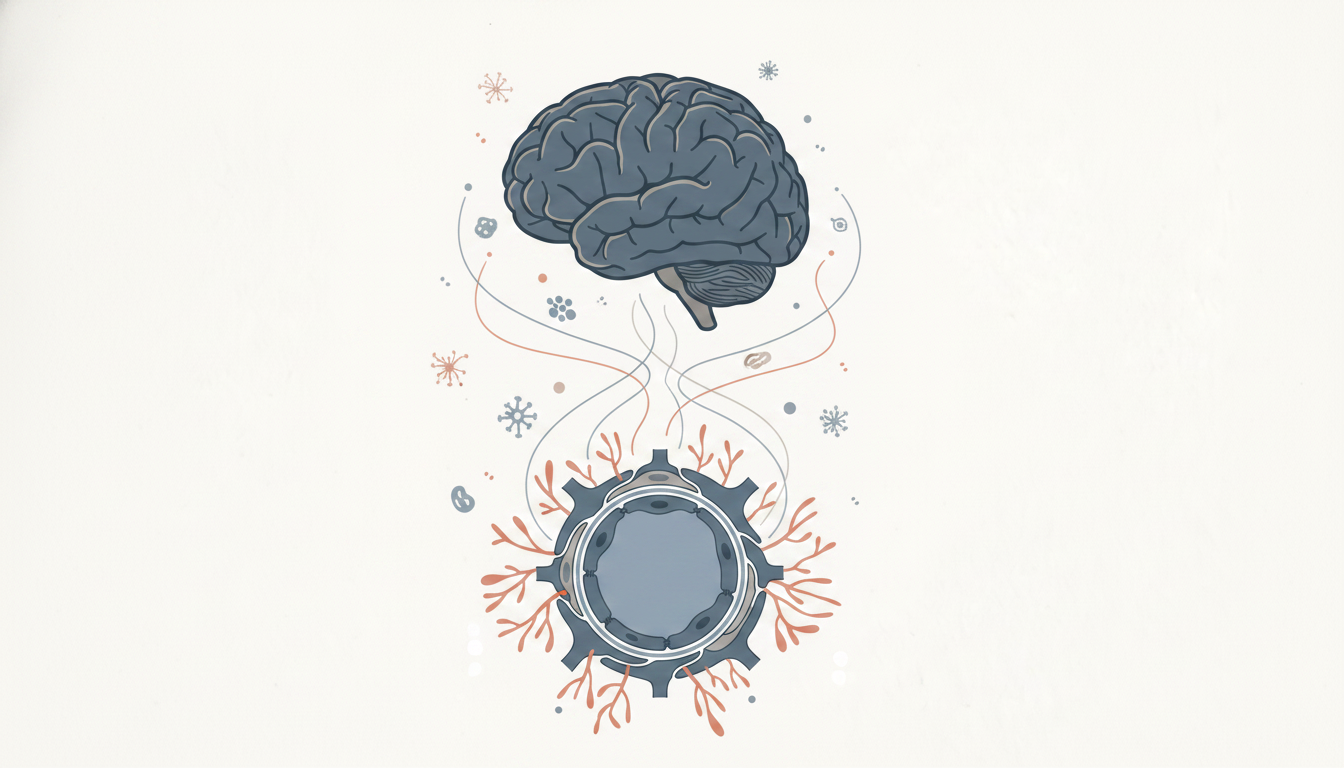
Maternal Health Impact on Child Brain Development
Most developmental disorder evaluations begin at birth or after a diagnosis is made. The more clinically precise starting point is conception — or earlier. The neurological trajectory of a child is shaped in part by the physiological environment of the mother before...
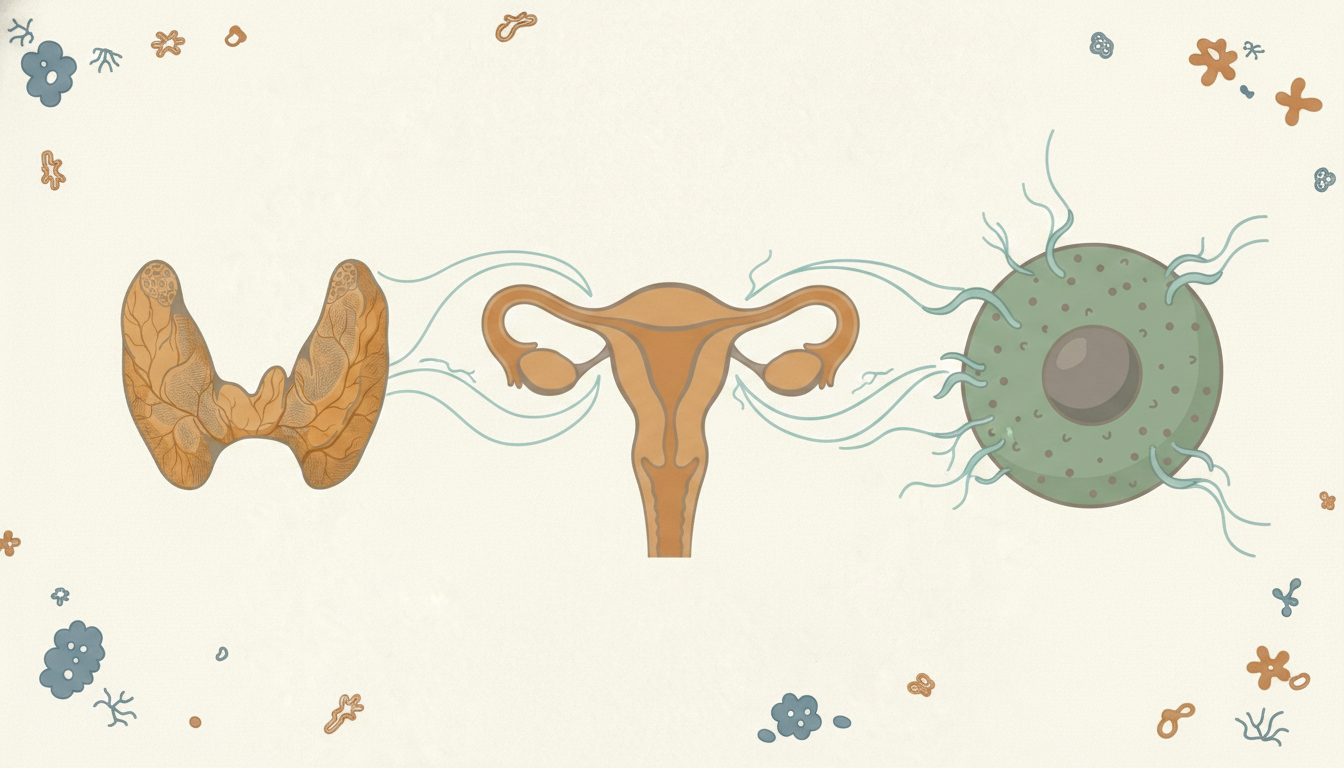
Functional Medicine Fertility Assessment: Comprehensive Approach
Most fertility workups stop at hormones. FSH is checked, estradiol is checked, and if the numbers look acceptable, the patient is told to keep trying or referred for assisted reproduction. What that workup misses is substantial — and for patients with undiagnosed...
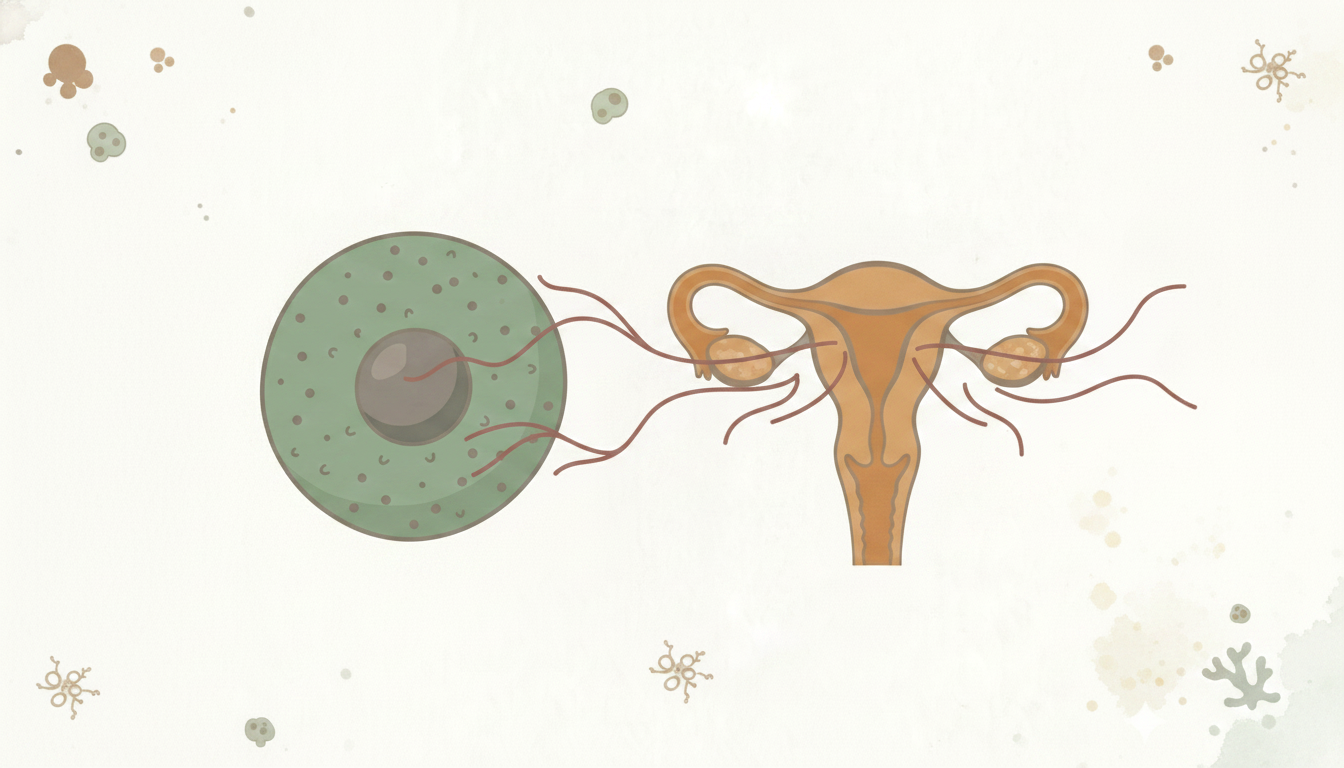
Autoimmune Infertility Connection: Hidden Causes Practitioners Miss
Most infertility workups follow the same sequence: hormone panels, imaging, semen analysis, referral to reproductive endocrinology. What they rarely include is autoimmune evaluation — and that gap is costing patients their window for intervention. The autoimmune...
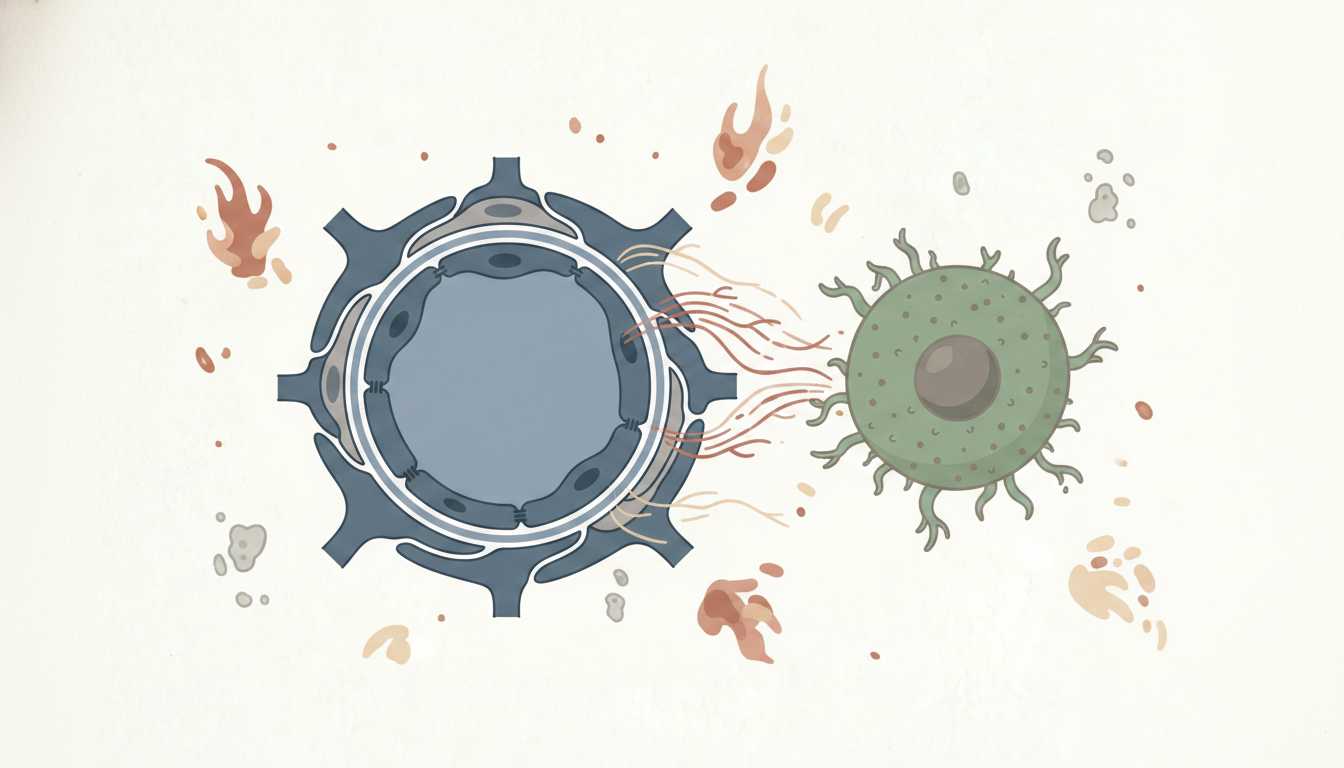
Blood-Brain Barrier Dysfunction: Clinical Recognition Guide
Most practitioners ordering neurological workups are looking for structural lesions, demyelination, or tumor. What they are not looking for — and what the standard workup will not show — is a compromised blood-brain barrier driving progressive neuroinflammation in a...
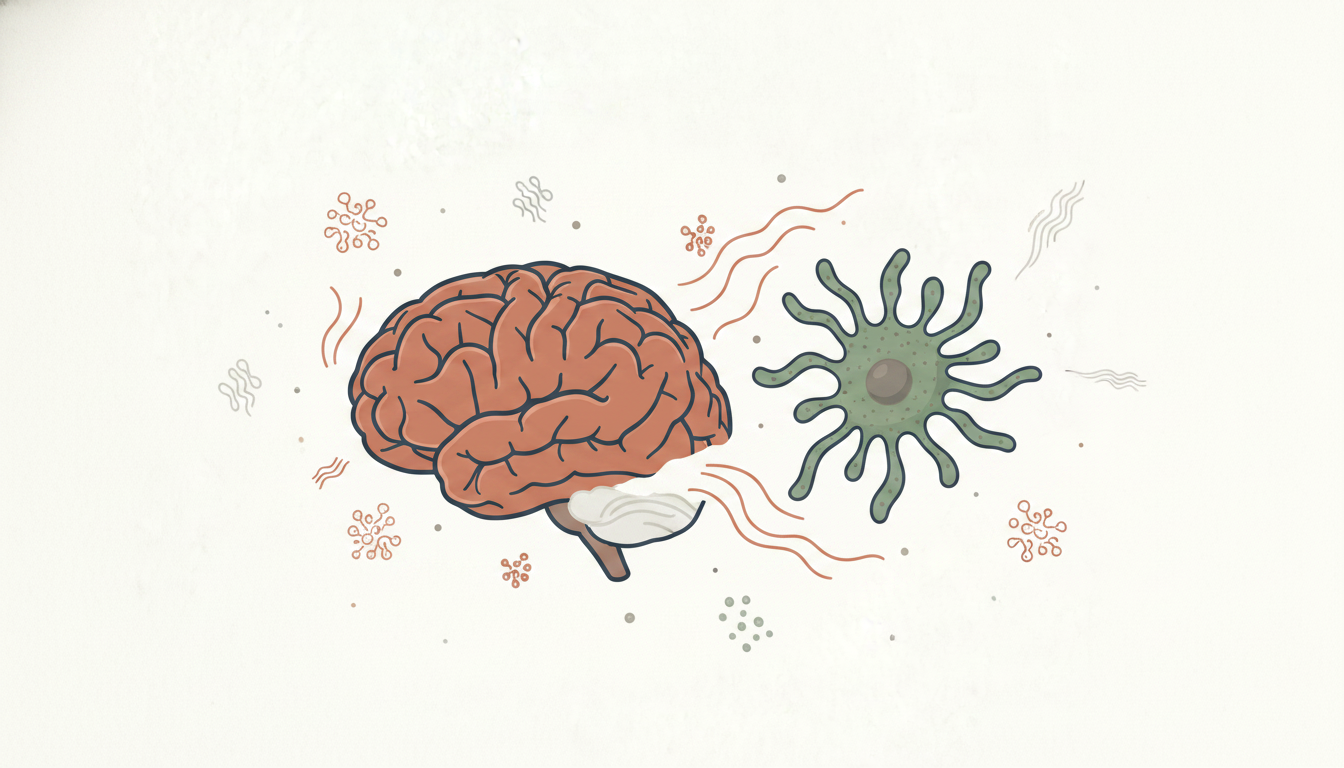
Beyond Gut-Brain: Complex Neuroinflammation Assessment
Most practitioners know to look for gut-brain axis dysfunction when a patient presents with brain fog and fatigue. What gets missed is the patient whose neuroinflammation has nothing to do with intestinal permeability — whose driver is a traumatic brain injury from...
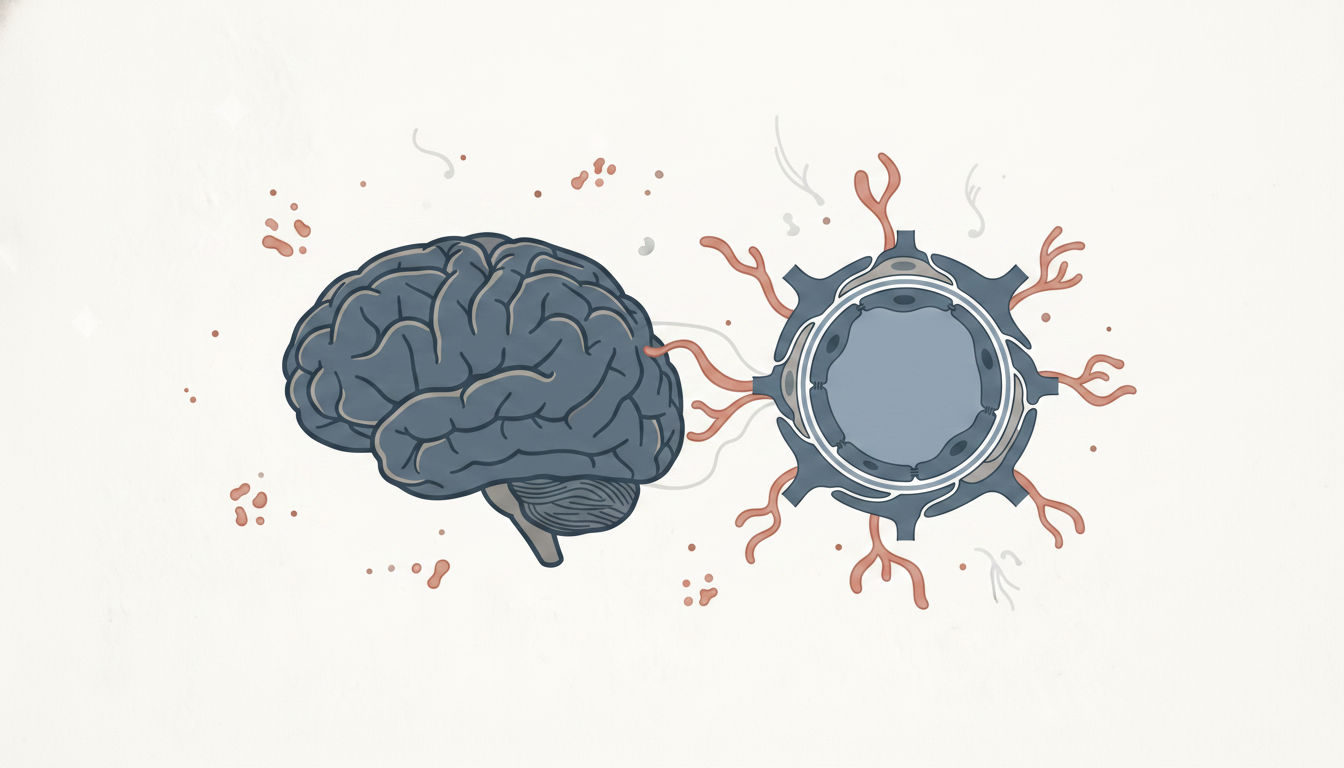
Microglial Activation Patterns in Treatment-Resistant Cases
Most practitioners treating neurological cases are looking for the wrong thing. They're searching for the trigger they haven't identified yet — the infection, the toxin, the hormone imbalance — when the more clinically urgent problem is that the brain's immune system...
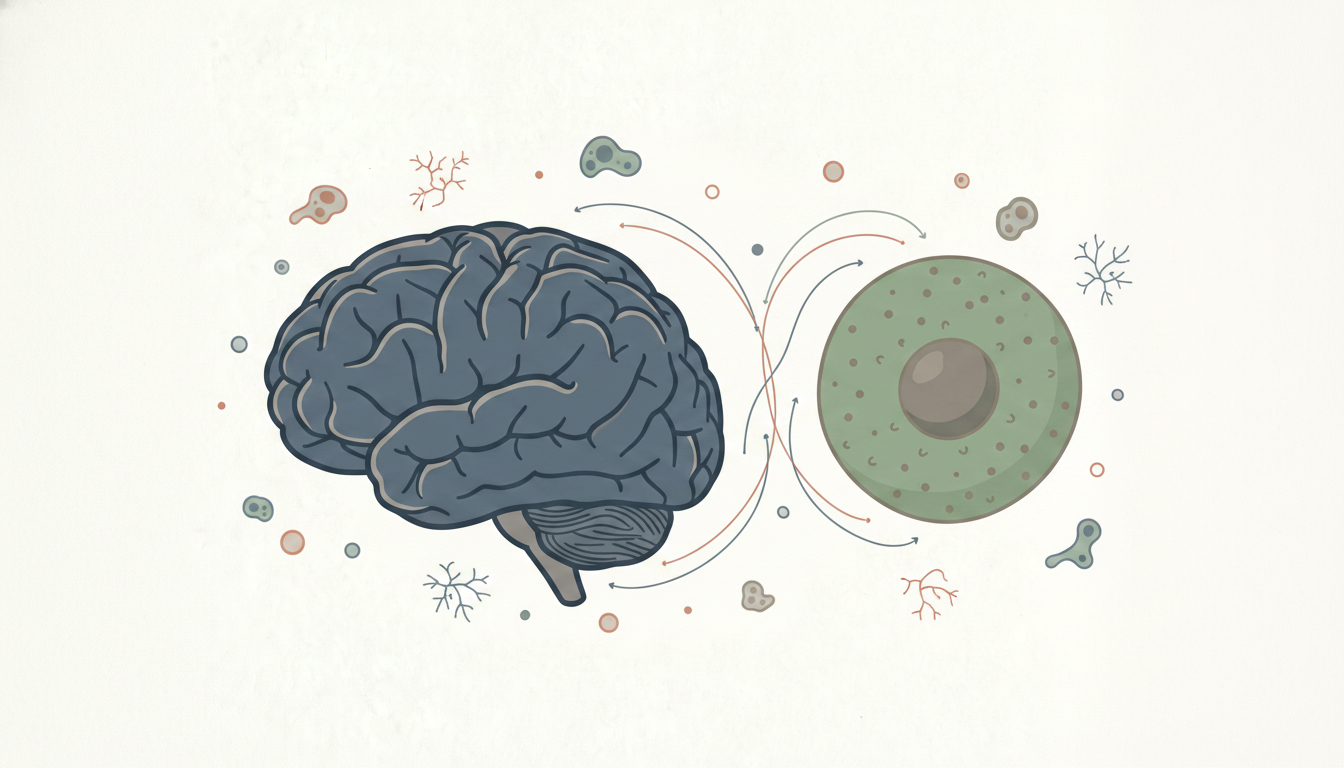
Brain Injury’s Hidden Role in Chronic Pain Syndromes
Most practitioners treating chronic pain are looking at the wrong organ. The joints, the fascia, the gut — these are common starting points. But when a patient's pain doesn't resolve despite thorough musculoskeletal and inflammatory workups, the brain itself may be...

Common Clinical Mistakes in Chronic Fatigue Management
Most chronic fatigue patients have already seen multiple specialists before landing in a functional medicine office. What they rarely receive across those visits is a unified clinical strategy. The default — rule out the obvious, refer if inconclusive, treat the most...
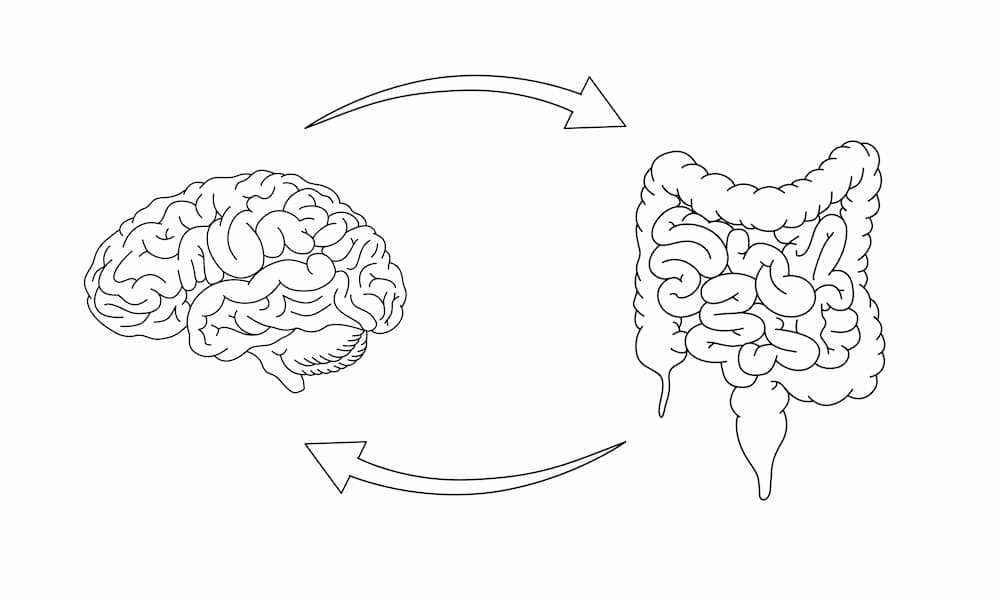
Hidden Brain-Gut Connection in Vascular Dysfunction
Most practitioners treating hypertension are not asking about gut symptoms. Most practitioners managing post-TBI patients are not running cardiovascular risk assessments. That clinical separation is the problem. The brain, gut, and vascular system are not independent...

Neurovascular Coupling Dysfunction After Brain Injury
Most practitioners managing post-concussion or traumatic brain injury patients focus on neurological symptoms — cognitive fog, headaches, sleep disruption, emotional dysregulation. What gets missed is the vascular collapse happening in parallel. Neurovascular coupling...
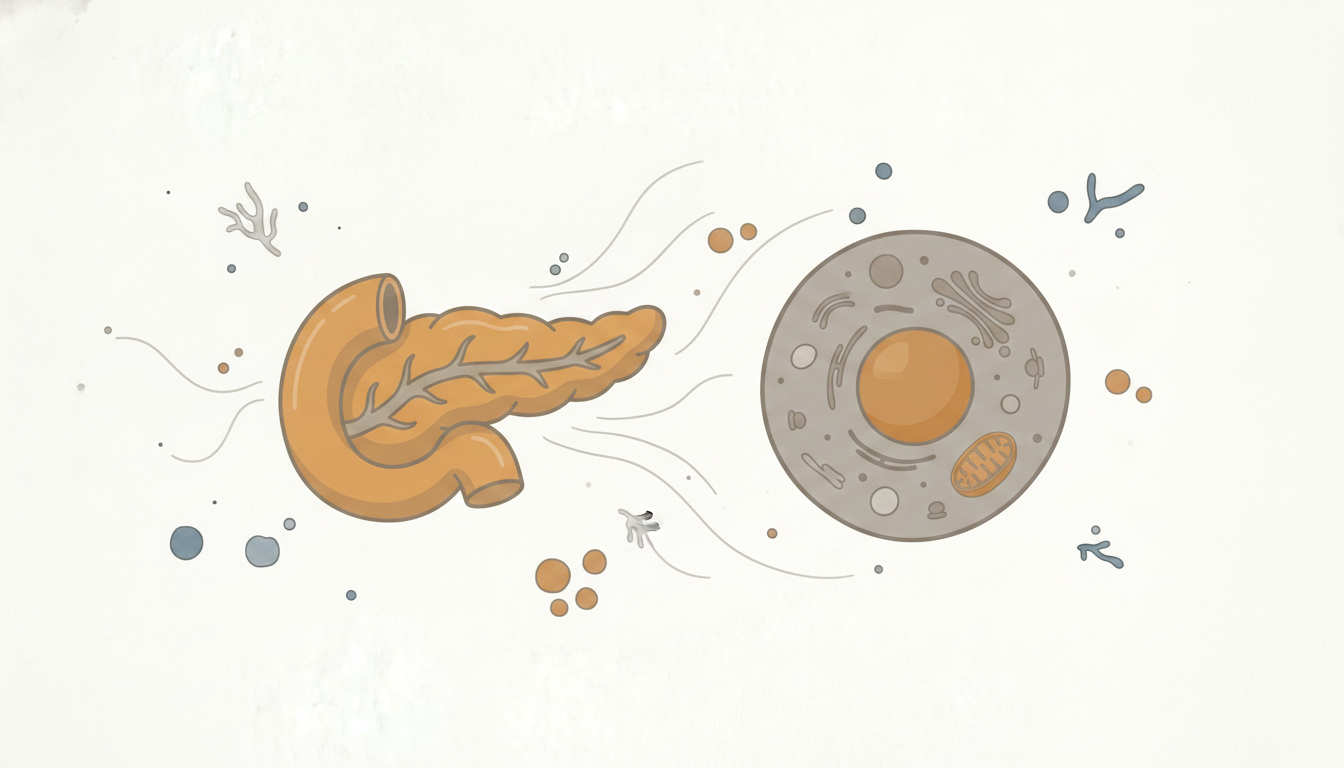
Pre-Diabetes HbA1c: Early Detection Clinical Strategies
Most practitioners order an HbA1c and read 5.8 as normal. The standard reference range calls it fine. The patient gains another twelve pounds, reports unrelenting fatigue, and returns six months later at 6.2. By that point, insulin resistance has been progressing for...

Hidden Blood Sugar Dysregulation in Chronic Fatigue Patients
Most practitioners order a fasting glucose and call it done. If the number is normal, blood sugar comes off the differential. But fasting glucose is a single snapshot of a system that operates in constant flux — and the patients sitting in your office with unresolved...