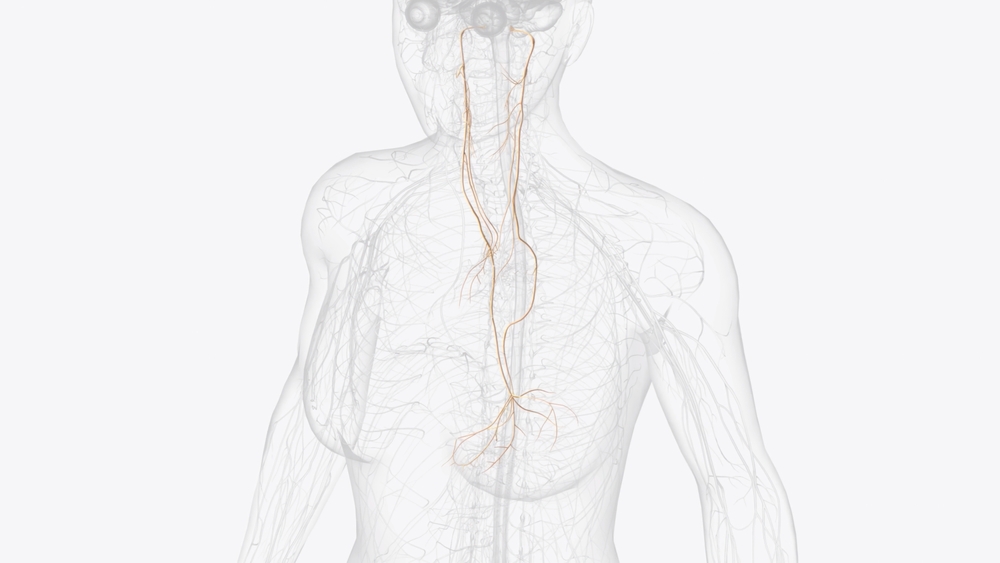
A practitioner's most common mistake with dementia patients is treating the brain last. The gut gets addressed, the liver gets supported, the hormones get balanced — and the organ driving the patient's decline receives the least direct clinical attention. Dr. Datis Kharrazian's coursework at the Kharrazian Institute identifies neuroinflammation dementia mechanisms and blood-brain barrier permeability as the central drivers of cognitive deterioration, and addresses how to identify them systematically in practice.
These are not background factors. They are the mechanism.
What Neuroinflammation Actually Does to Cognitive Function
Neuroinflammation is not simply "inflammation in the brain." It is a self-perpetuating cycle driven by glial cell activation — specifically microglia and astrocytes — that, once primed, amplifies damage far beyond the original insult.
When microglia become activated, they release pro-inflammatory cytokines, reactive oxygen species, and excitotoxic compounds that degrade neuronal health. The original trigger may have been a head injury, a systemic infection, an autoimmune process, or a metabolic insult. What matters clinically is that once glial priming occurs, the inflammatory state becomes self-sustaining. Subsequent insults — even minor ones — produce a disproportionately large inflammatory response. This is why patients with a history of concussion or prior stroke often show accelerating cognitive decline years later, even when the original injury appeared resolved.
The functional consequences are predictable and trackable. Patients present with impaired executive function, difficulty concentrating, slowed processing speed, and progressive memory decline. These symptoms are often attributed to aging or mood disorders before the underlying neuroinflammation is ever considered.
Dr. Kharrazian's clinical training addresses this directly: neuroinflammation must be targeted as a primary mechanism, not managed downstream through peripheral interventions alone.
Blood-Brain Barrier Permeability: The Entry Point for Neurological Damage
The blood-brain barrier is a selective endothelial interface that restricts what passes from systemic circulation into the central nervous system. When its integrity is compromised, neurotoxic substances, inflammatory cytokines, and microbial byproducts gain access to brain tissue — triggering and sustaining the glial activation described above.
Research in neuroimmunology demonstrates that blood-brain barrier permeability and neuroinflammation operate in a reinforcing loop. Systemic inflammation weakens the barrier; a compromised barrier allows more inflammatory mediators into the brain; those mediators activate microglia; activated microglia release compounds that further degrade barrier integrity. The cycle continues without a specific clinical intervention to interrupt it.
This mechanism is directly implicated in Alzheimer's disease pathology. Research in vascular neurology has shown that blood-brain barrier breakdown precedes amyloid deposition in some patients, suggesting the barrier dysfunction is not simply a consequence of dementia progression — it is a contributing cause. Dr. Kharrazian's coursework synthesizes this research to help practitioners identify barrier dysfunction as an upstream factor rather than a late-stage complication.
Clinically, systemic conditions that increase intestinal permeability, chronic low-grade infection, dysregulated immune activation, and poorly controlled blood glucose all contribute to blood-brain barrier compromise. A patient's peripheral health status is a direct input to their neurological vulnerability.
How Insulin Resistance Accelerates Cognitive Decline
Insulin resistance is one of the most underappreciated metabolic factors in dementia progression. The brain is an insulin-sensitive organ. Neurons rely on insulin signaling for glucose uptake, synaptic plasticity, and neuronal survival. When insulin resistance develops centrally — now frequently called type 3 diabetes in research literature — neuronal energy metabolism fails.
The downstream consequences are significant. Reduced neuronal ATP impairs synaptic transmission and accelerates neuronal atrophy. Hyperinsulinemia increases neuroinflammatory signaling. Impaired insulin signaling reduces the brain's capacity to clear amyloid-beta. Each of these pathways contributes independently to cognitive decline, and in most patients with metabolic dysfunction, all three operate simultaneously.
Research in endocrinology and neurology consistently links insulin resistance cognitive decline patterns — particularly in hippocampal-dependent memory and executive function. Dr. Kharrazian's clinical training integrates metabolic assessment into the neurological evaluation, because treating neuroinflammation without addressing its metabolic drivers produces incomplete outcomes.
Hormonal Imbalances and Neuroplasticity
Neuroplasticity — the brain's ability to form new connections and adapt — is hormonally dependent. Estrogen, testosterone, thyroid hormone, and cortisol each exert direct effects on neuronal survival, synaptic density, and brain-derived neurotrophic factor (BDNF) production. When these hormones are dysregulated, neuroplasticity declines.
Estrogen supports hippocampal neurogenesis and has anti-inflammatory effects in the brain. Its decline during perimenopause and menopause is one reason women show accelerated cognitive changes during this transition. Testosterone deficiency in men correlates with reduced BDNF and increased neuroinflammatory tone. Thyroid hormone is required for myelination and synaptic function — even subclinical hypothyroidism impairs cognition measurably. Cortisol dysregulation, particularly chronic elevation, is directly neurotoxic to hippocampal neurons.
The connection between hormonal imbalances neuroplasticity and dementia risk is not theoretical. Research in neuroendocrinology demonstrates that hormonal optimization in at-risk populations can slow the pace of neurodegeneration. The clinical implication is that comprehensive hormone assessment belongs in the dementia workup — not as an adjunct, but as a primary evaluation.
Identifying These Mechanisms in Your Patients
The diagnostic challenge is that neuroinflammation and blood-brain barrier dysfunction do not produce clean, singular symptom pictures. Patients present with overlapping complaints — fatigue, mood instability, word-finding difficulty, poor sleep, and progressive cognitive slowness — that are routinely attributed to separate causes or dismissed as aging.
Dr. Kharrazian's clinical training teaches practitioners to recognize the pattern across systems. A thorough history identifying prior head trauma, infections, autoimmune conditions, and metabolic dysfunction establishes the neuroinflammatory risk profile. Laboratory evaluation of systemic inflammatory markers, metabolic function, thyroid and sex hormones, and gut barrier integrity provides the mechanistic picture. Functional neurological examination identifies the regions of cognitive impairment.
This is not a single-visit workup. But it produces the kind of clinical picture that explains why a patient has failed conventional approaches and what must be addressed to produce recovery.
The metabolic factors in dementia — insulin resistance, hormonal insufficiency, nutritional deficiencies, and gut-derived inflammation — are addressable. Neuroinflammation and blood-brain barrier permeability are addressable. The question is whether the practitioner has the clinical training to identify and sequence the interventions correctly.
Why Treatment Must Address Neuroinflammation Directly
Peripheral interventions alone — gut healing, liver support, dietary modification — are necessary but insufficient when central neuroinflammation is active. A patient with primed microglia and compromised blood-brain barrier integrity will continue to deteriorate without specific strategies targeting the neuroinflammatory cascade.
Research in neuroimmunology identifies several mechanisms through which neuroinflammation can be modulated: reduction of systemic inflammatory load, support of glial regulatory pathways, correction of nutrient deficiencies that sustain microglial activation, and removal of the upstream triggers maintaining barrier compromise. Dr. Kharrazian's coursework at the Kharrazian Institute translates this research into clinical protocols practitioners can implement with their patients — organized by mechanism, not by symptom.
The sequence matters. Addressing neuroinflammation before restoring metabolic function, or restoring metabolic function without correcting hormonal insufficiencies, produces partial results. The clinical training at KI is built around teaching practitioners to identify which mechanisms are active in each patient and in what order to address them.
Key Takeaways for Practitioners
- Neuroinflammation in dementia is driven by glial priming — a self-sustaining cycle that persists long after the original trigger and amplifies with subsequent insults.
- Blood-brain barrier permeability allows neurotoxic compounds into the CNS and operates in a reinforcing loop with microglial activation.
- Insulin resistance impairs neuronal energy metabolism, increases amyloid burden, and sustains neuroinflammatory signaling — making metabolic assessment essential in the dementia workup.
- Hormonal insufficiencies in estrogen, testosterone, thyroid, and cortisol regulation directly reduce neuroplasticity and increase neuroinflammatory tone.
- Effective clinical management requires identifying the active mechanisms in each patient and sequencing interventions accordingly — peripheral support alone is insufficient.
Frequently Asked Questions
Neuroinflammation drives cognitive decline by activating microglia, which release compounds that degrade neuronal health and impair synaptic function. Once glial priming occurs, the inflammatory process becomes self-sustaining and accelerates with additional insults, making it a central mechanism in dementia progression rather than a secondary effect.
A compromised blood-brain barrier allows neurotoxic substances and inflammatory mediators to enter the brain directly. This activates microglia, which further degrade barrier integrity — creating a reinforcing cycle. Research links barrier dysfunction to Alzheimer's pathology as an upstream contributor, not simply a late-stage consequence.
Yes. The brain is an insulin-sensitive organ, and central insulin resistance impairs neuronal energy metabolism, reduces amyloid-beta clearance, and sustains neuroinflammatory signaling. Research in neuroendocrinology consistently associates insulin resistance with hippocampal-dependent memory loss and declining executive function.
Estrogen, testosterone, thyroid hormone, and cortisol each regulate neuronal survival, BDNF production, and synaptic density. Deficiencies or dysregulation in these hormones reduce the brain's capacity for neuroplasticity and increase neuroinflammatory tone, accelerating the cognitive deterioration seen in dementia.
A comprehensive evaluation includes history of prior neurological insults, systemic inflammatory markers, metabolic and glycemic function, full thyroid and sex hormone panels, gut barrier status, and functional neurological examination. This picture allows practitioners to identify active mechanisms and sequence interventions based on each patient's profile.
About the Author
Dr. Datis Kharrazian, PhD, DHSc, DC, MS, MMSc, FACN is a Harvard Medical School research fellow and researcher at Massachusetts General Hospital's Department of Neurology, specializing in autoimmunity and neuroimmunology. He serves as Associate Clinical Professor at Loma Linda University School of Medicine and is the author of Why Do I Still Have Thyroid Symptoms When My Lab Tests Are Normal and Why Isn't My Brain Working. He holds fellowships from the American College of Nutrition and the Royal Society of Medicine (UK), is a Diplomate of the Board of Nutrition Specialists, and is a member of the American Association of Immunologists. The Kharrazian Institute serves more than 5,000 physicians and healthcare providers worldwide.
The Kharrazian Institute offers clinical training on neuroinflammation, blood-brain barrier dysfunction, and the metabolic and hormonal mechanisms of cognitive decline. Practitioners seeking evidence-based protocols for dementia and complex neurological cases can explore current course offerings at kharrazianinstitute.com.