Reactive hypoglycemia is commonly dismissed as a personality trait. The patient who gets shaky and irritable between meals and feels normal after eating is having blood sugar crashes. Left alone, the pattern feeds hormone, fertility and mood problems. The clinical strategy of Datis Kharrazian, PhD, DHSc, DC, MS, MMSc, FACN, comes down to two changes: replace high-sugar meals with lower-glycemic food, and eat often enough that blood sugar never drops.
How many of your patients describe themselves as "hangry"? Each one is reporting a blood sugar pattern, and being hangry is not normal.
Why reactive hypoglycemia is overlooked
The symptoms sound ordinary. Patients crash in the afternoon, get irritable when a meal runs late, and feel fine once they eat. Few think to mention it.
Many have eaten this way for years and assume the crashes are simply how they are built. Unless the practitioner asks about energy and mood between meals, the pattern goes unrecorded.
What does reactive hypoglycemia look like?
The patient gets shaky, lightheaded and irritable between meals and feels normal again after eating. They crash in the afternoon or a few hours after a meal.
Their diet usually explains it. Breakfast is a smoothie and fruit shows up all day. There is little fiber, protein or healthy fat to slow the rise and fall of blood sugar.
How do you stabilize blood sugar in reactive hypoglycemia?
Two things have to change.
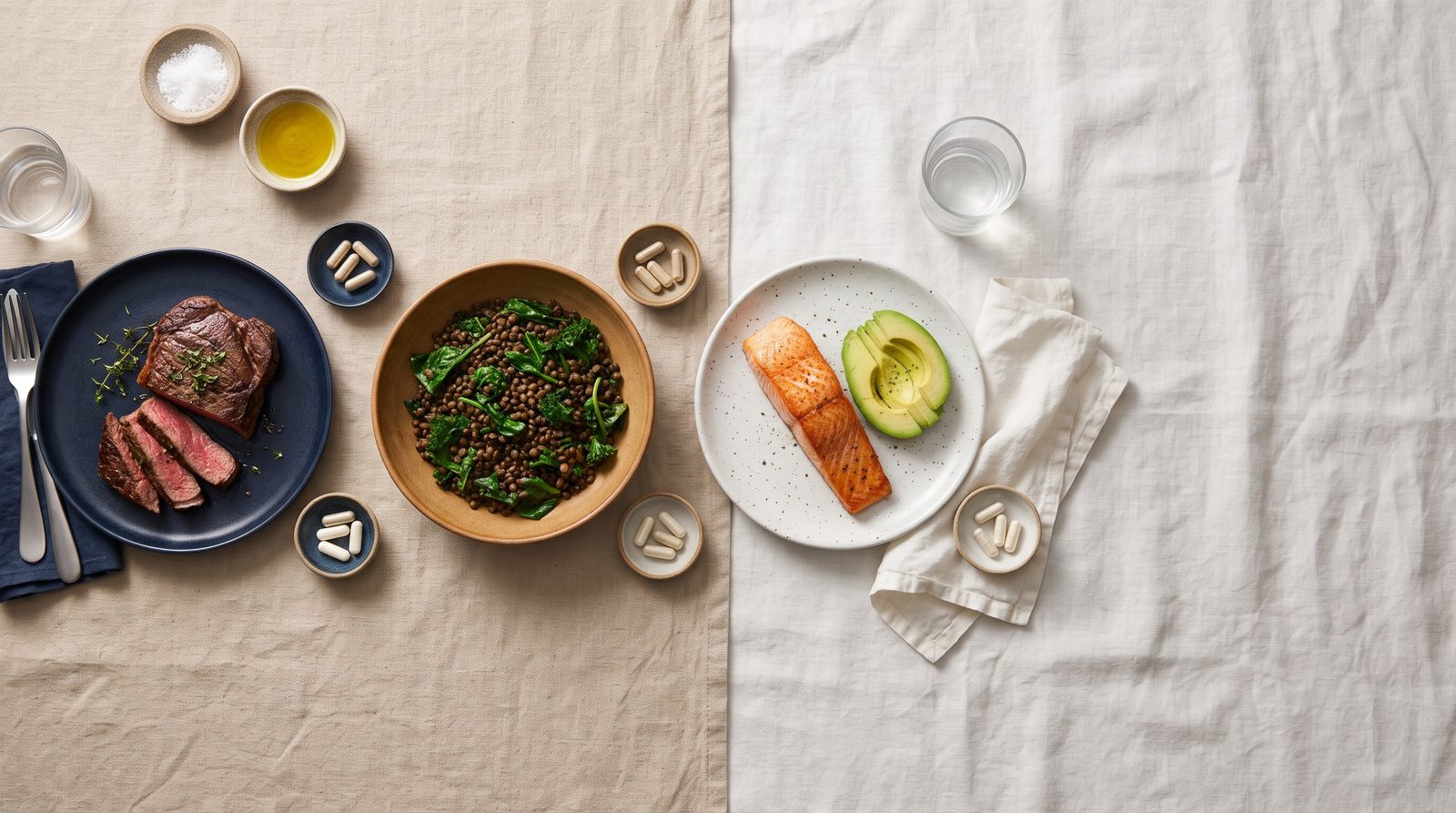
First, the food. Meals built on high-sugar foods that spike blood sugar quickly have to go. Low-glycemic, high-fiber meals with healthy fats take their place.
Second, the timing. The patient needs to eat often enough to stay ahead of the crash. If four hours separate breakfast and lunch and the patient crashes two hours in, a snack has to come before that point.
What else improves when blood sugar stabilizes?
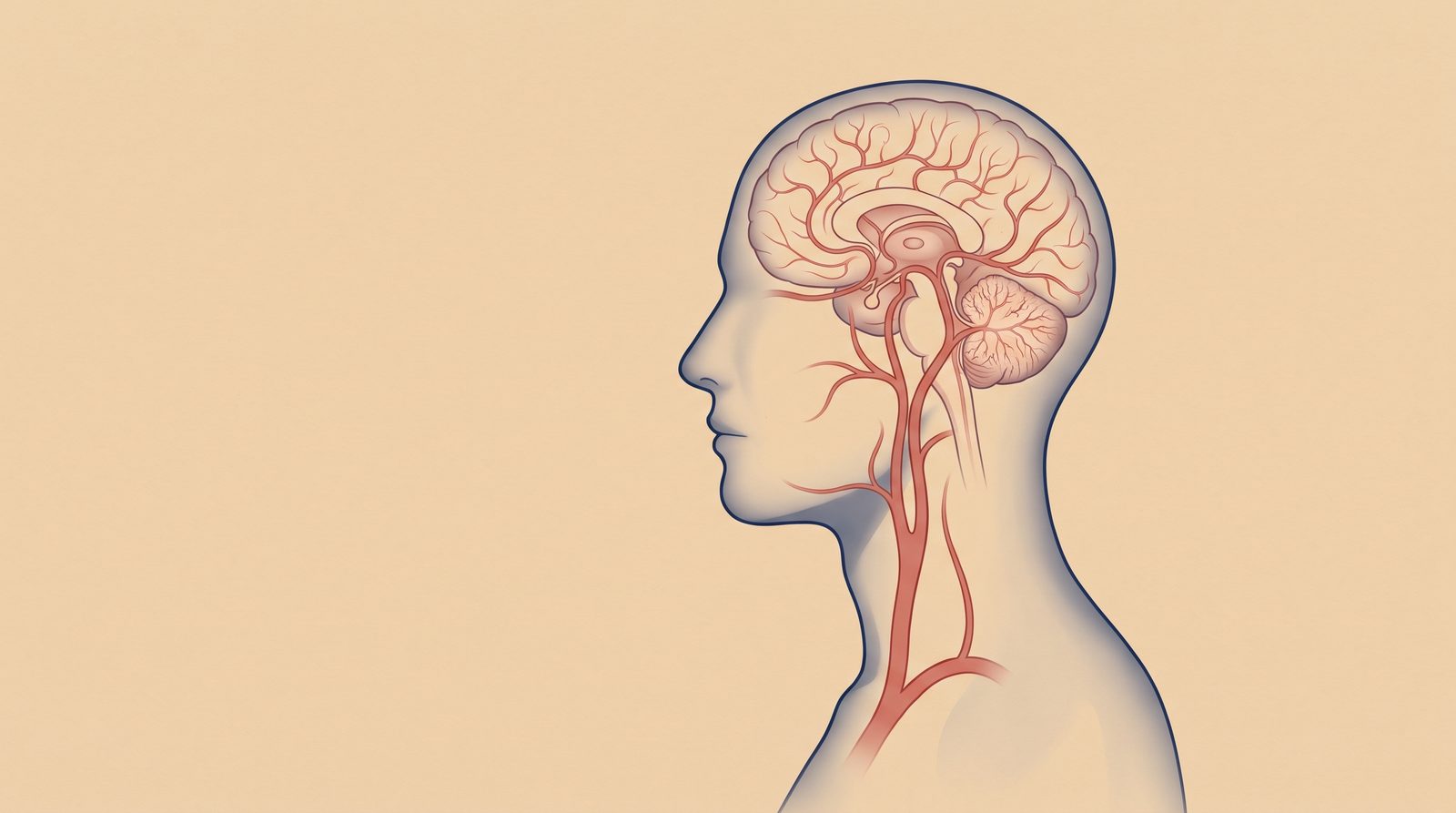
Low blood sugar affects more than energy. Dr. Kharrazian points to menstrual irregularities and infertility, along with depression, anxiety and problems with thinking and memory. Many of these symptoms clear once the pattern is identified and corrected.
To see how Dr. Kharrazian teaches blood sugar assessment, watch the first module of any Kharrazian Institute course free for seven days. Start the 7-day free trial.
Frequently asked questions
What are good snacks for reactive hypoglycemia?
Small, low-sugar options with protein, fat or fiber. Dr. Kharrazian suggests nuts or seeds, cucumbers with salt, tuna, or beef jerky.
Why do patients with reactive hypoglycemia wake up at night?
Their blood sugar falls overnight once the body's glycogen reserves run low. They may wake shaky, anxious or with palpitations.
Is a fruit smoothie a good breakfast for these patients?
Not on its own. A high-sugar breakfast spikes blood sugar quickly and sets up the mid-morning crash. A breakfast with fiber, protein and healthy fat holds blood sugar steadier.
How does reactive hypoglycemia involve the adrenal glands?
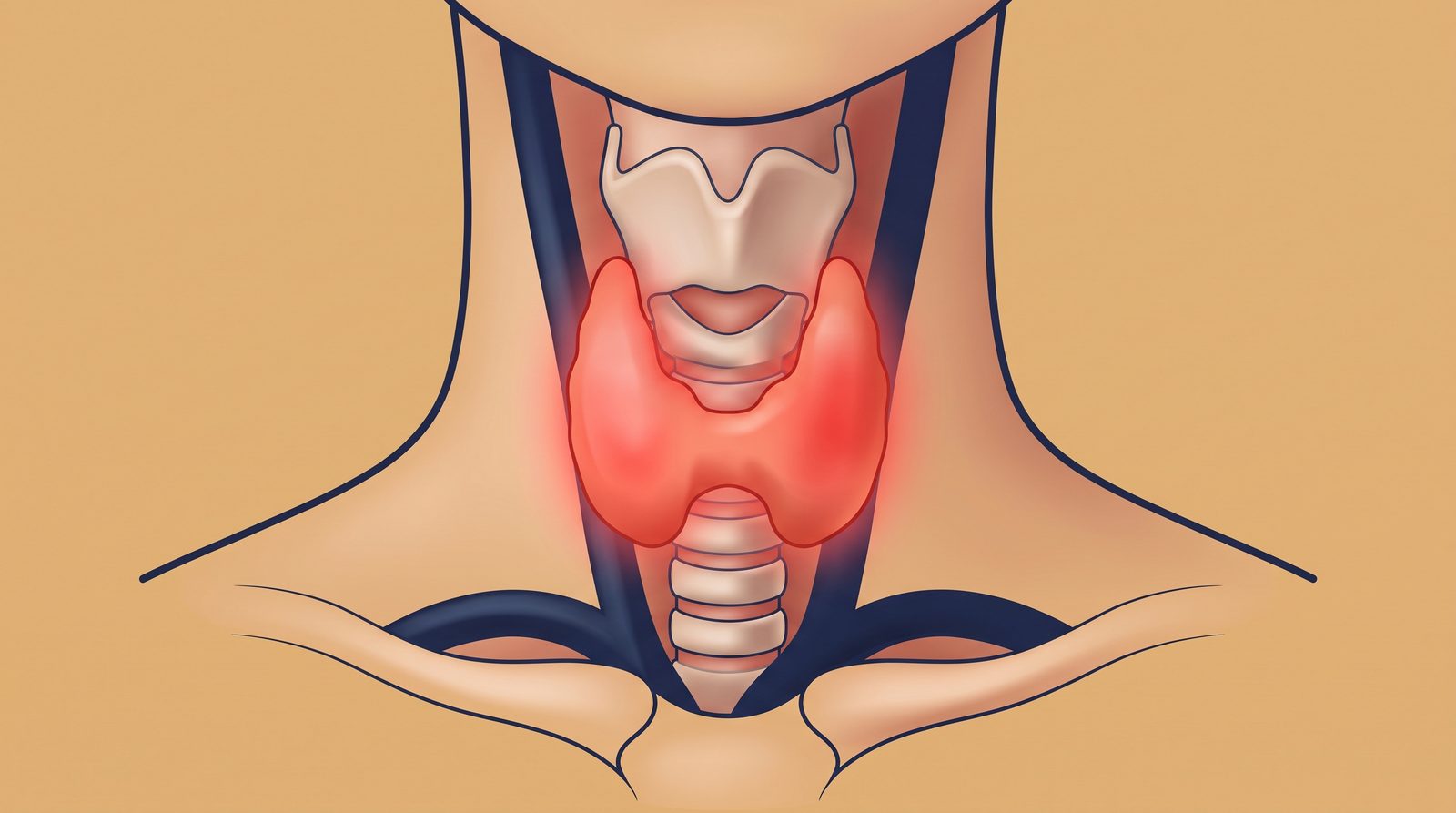
When blood sugar drops, the adrenal glands release cortisol to bring it back up. Repeated crashes keep calling on that response throughout the day.
Learn more from Dr. Kharrazian
This article is adapted from Clinical Pearl #5 by Dr. Kharrazian, Harvard Medical School-trained researcher and clinician. His Diabetes and Dysglycemia course goes deeper into blood sugar disorders and the clinical strategies for correcting them, and is one of the six courses in the Kharrazian Institute's 68-hour functional medicine certification.
The 7-day free trial includes the first module of every course. No credit card is required.
ENROLL NOW FOR YOUR 7-DAY FREE TRIAL
For more on blood sugar, read blood sugar, mood disorders and neuroinflammation, insulin resistance and hormonal imbalance in women, and blood sugar dysregulation and fatigue in chronic patients.