
Part of the Kharrazian Institute functional medicine certification
Functional Medicine for Diabetes and Dysglycemia
Few chronic patients recover while their blood sugar stays unstable.
Learn to evaluate, stage, and sequence care for hypoglycemia, insulin resistance, and autoimmune diabetes as one connected physiological web, taught by Harvard-trained researcher and clinician Datis Kharrazian, PhD, DHSc, DC, MS, MMSc, FACN.
- 12 hours on-demand video
- 8 sessions
- for licensed and non-licensed practitioners
- part of the certification
★★★★★ "Hands down the most valuable training I've ever taken." — Kim Pellegri, FNTP, MRHP, CFMHC

Class Overview
Blood sugar disorders rarely arrive as the chief complaint. Patients come in for fatigue, insomnia, depression, infertility, or weight that will not move, and underneath many of these cases is dysglycemia. This course teaches dysglycemia as a web of interacting systems, not a single number on a lab report. It gives you the evaluation, staging, and sequencing to manage complex blood sugar cases instead of referring them out, and it is part of the Kharrazian Institute's functional medicine education and certification program.
★★★★★
After more than 35 years in clinical practice, I can say with confidence that this is the most rigorous and clinically impactful training I have completed.
Did You Know
- About one in four adults in the United States has prediabetes or diabetes. Most never hear the word dysglycemia from a clinician, and the early postprandial pattern is rarely tested for.
- People with Type 2 diabetes carry roughly half the skeletal-muscle mitochondrial surface area of lean adults. Their fatigue and exercise intolerance is physiological, not a lack of effort.
- The rise in diabetes since the 1980s no longer tracks with sugar intake. It tracks almost one for one with industrial chemical production, with correlations near 0.95 for glyphosate applied to corn and soy.
- In men, chronic insulin surges switch on aromatase and convert testosterone into estrogen. Much of the "low testosterone" seen in metabolic syndrome is really an estrogen problem.
- Artificial sweeteners still trigger an insulin response and alter the gut microbiome. Sugar free is not blood-sugar free.
Why It Matters
A patient has been tired for years. Weight will not move, afternoons bring a crash, sleep is broken, and mood is flat. Every fasting glucose comes back inside the reference range, so blood sugar gets ruled out and the search moves on.
The pattern was there the whole time. Standard panels flag a single fasting number against a disease cutoff. They are built to name diabetes once it has arrived, not to see the dysglycemia that precedes it by a decade or more. By the time fasting glucose crosses 126, the vicious cycles have been running for years, and a chronic patient seldom improves while blood sugar stays unstable, because unstable blood sugar means the body cannot reliably produce energy.
Most protocols still treat the insulin receptor alone, with a little berberine and more exercise. That is why so many of them stall.
What You’ll Be Able to Do
Catch dysglycemia the moment the patient walks in
reading body composition, chief complaints, and one key question about energy after meals to flag a disorder the patient never names.
Separate hypoglycemia from insulin resistance by the timing of symptoms
then confirm with the right postprandial testing.
Stage severity before you treat
placing each patient on the hypoglycemia and hyperglycemia scales from postprandial surges through metabolic syndrome, diabetes, and nephropathy.
Work the whole physiological web
evaluating the microbiome, fat tissue, adrenal, liver, kidney, and brain inputs that regulate blood sugar together.
Sequence care so the vicious cycle actually breaks
knowing what to address first in hypoglycemia, insulin resistance, and autoimmune diabetes.
Recognize autoimmune diabetes that gets missed
identifying latent autoimmune diabetes of adulthood and Type 1.5 in lean, healthy-looking patients.
About the Instructor
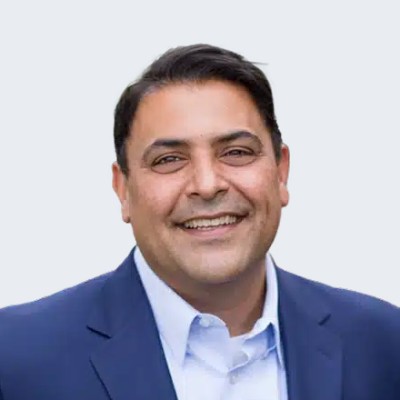
Datis Kharrazian, PhD, DHSc, DC, MS, MMSc, FACN
Dr. Kharrazian is a Harvard Medical School trained researcher, clinical research scientist, academic professor, and functional medicine health care provider. He earned a Master of Medical Science degree (MMSc) in Clinical Investigation from Harvard Medical School and is a member of the Harvard Medical Alumni Association and the American Association of Immunologists.
He is a Fellow of the American College of Nutrition. His clinical models of functional medicine are used by academic institutions and thousands of clinics worldwide.
For more than 25 years, Dr. Kharrazian has consulted with complex patients from around the world, refining the clinical sequence of thought this course teaches. He maintains a private practice near San Diego, California, focused on personalized care through diet, nutrition, and lifestyle.
Session Curriculum
Session 1: Introduction and Pathophysiology of Diabetes and Dysglycemia
Session 2: The Physiological Web of Diabetes and Dysglycemia
Session 3: The Role of Diet and Lifestyle in Diabetes and Dysglycemia
Session 4: Nutraceutical Approaches for Diabetes and Dysglycemia
Session 5: Environmental and Pathogenic Triggers for Type 1 and Type 2 Diabetes
Session 6: How to Perform a Comprehensive Evaluation of Blood Sugar Disorders
Session 7: How to Clinically Manage Patients with Diabetes and Blood Sugar Disorders
Session 8: Blood Sugar Disorders Clinical Case Studies
This Course Includes
- 12 hours of on-demand video across 8 sessions
- Downloadable clinical assessment forms and resources, including the Metabolic Assessment Form and Brain Region Localization Form
- A recorded clinical Q&A session
- Counts toward the Kharrazian Institute Functional Medicine Certification (Basic and Advanced)
- Certification exam
- Certificate of completion
What Practitioners Say About the Kharrazian Institute
★★★★★
Amazing, brilliant knowledge, well organised, very comprehensive, and excellent foundational knowledge that builds with every module. You can do it at your own pace, making it cost-effective and rewarding.
★★★★★
I've been learning from Dr. Kharrazian since 2003, and his clinical framework has shaped the way I practice for over two decades. I highly recommend this program to any practitioner committed to truly leveling up their clinical care.
★★★★★
As a UK-based practitioner, the Kharrazian Institute courses have given me far greater depth and awareness in clinical cases than previous courses. Dr. Kharrazian has an unbelievable ability to translate complex science into practical, accessible knowledge we can apply in our practices.
Functional Medicine Certification and Education at the Kharrazian Institute
Diabetes and Dysglycemia is part of the Kharrazian Institute certification Dr. Kharrazian built, teaching blood sugar disorders as a web of interacting systems rather than a single number.
The Diabetes and Dysglycemia course opens with a Kharrazian Institute subscription, along with the complete catalog and the practical path to your functional medicine certification at both the Basic and Advanced designations.
Your subscription includes
- Diabetes and Dysglycemia plus all 19 Kharrazian Institute courses, more than 200 hours of functional medicine education
- Monthly Clinical Master Classes taught by leading functional medicine experts
- Full access to the 100-hour Clinical Mastery Program
- A members-only Q&A platform and practitioner community
- The Kharrazian Institute patient referral network
- Progress toward Kharrazian Institute certification
$399 per month, plus a one-time $995 enrollment fee. Cancel anytime.
What is dysglycemia?
Dysglycemia is any dysfunction in how the body regulates blood sugar. It covers hypoglycemia, insulin resistance progressing toward diabetes, and autoimmune diabetes. In functional medicine, it is read as a web of vicious cycles across the pancreas, gut microbiome, fat tissue, adrenal glands, liver, kidneys, and brain, rather than one isolated number. The work is to identify the pattern and its severity, then intervene in the right order so the cycle breaks and the patient can produce energy and move toward recovery.
Why Do Patients With Dysglycemia Stay Sick When Standard Labs Look Normal?
Fasting glucose sits in range, the patient feels terrible, and blood sugar gets ruled out. The overlooked problem is that standard panels name diabetes only once it has arrived, while the dysglycemia that drives the symptoms has been building for years. This course teaches a different question and a different order of operations, so the pattern becomes visible and treatable long before a diagnosis would land.
Why do standard labs miss dysglycemia for years?
The earliest sign is a postprandial problem. Glucose and insulin spike after a meal while the fasting number still reads normal. Functional medicine reads markers against optimal ranges and in patterns rather than against a single disease cutoff. Rising triglycerides, a falling HDL, and an LDH under 140 say more together than any one value does alone, which is why the problem is so often missed until it is advanced.
Why is the insulin receptor not the whole story?
The signature model of the course is the physiological web. Blood sugar is not controlled by the pancreas alone. The gut microbiome releases incretins and short-chain fatty acids that tune insulin and glucagon. Fat tissue is an endocrine organ, and enlarged adipocytes pour out inflammatory signals that block the insulin receptor. The adrenal glands raise glucose when it drops, the liver stores and releases it, and the kidneys reabsorb and release about a tenth of the body's glucose. The brain integrates all of it, which is why a traumatic brain injury can cause either diabetes or hypoglycemia. Two master switches, AMPK and the sirtuins, sit over the whole web, and the most useful interventions act through them.
How do you tell hypoglycemia from insulin resistance at the first visit?
Start with body composition and one question: does energy change after you eat? A hypoglycemic patient feels better and sharper after eating, then crashes between meals with shakiness and irritability. An insulin-resistant patient feels tired after meals and reaches for coffee. Most patients carry some of both, so this is a lean, not a label, and lab work settles it.
How severe is it, and why does staging come before treatment?
Prognosis lives on a scale, and the course teaches two. The hyperglycemia scale runs from postprandial surges, to steady insulin resistance, to metabolic syndrome, to diabetes, to diabetes with advanced glycation end products, and finally to nephropathy. The hypoglycemia scale separates a simple loss of resiliency from an underlying metabolic cause, and from true pathological hypoglycemia below 65, which is a red flag for disease. Staging tells you how hard the case will be and where it can still move.
Where do you start so the vicious cycle breaks?
Order is the whole game, and the right first step depends on the pattern. Much of functional medicine says to always start in the gut, but with high circulating insulin that sequence fails. Diet and lifestyle carry the result while nutraceuticals support them, and reaching for supplements first is a failing model. The course details the full sequence for each category so you know what to address, and in what order, for a given patient.
Could it be autoimmune diabetes?
The loudest clue is a lean, healthy patient who eats well, exercises, and still cannot control blood sugar. Latent autoimmune diabetes of adulthood, often called Type 1.5, is far more common than expected, and a large share of adults labeled Type 2 actually carry pancreatic antibodies. The right antibody and C-peptide testing separates these patients out, because they need an autoimmune strategy and a dysglycemia protocol alone will not move them.
For related reading, see Explaining Non-Insurance Functional Labs to Skeptical Patients, Beyond Pharmaceuticals: Integrative Migraine Management, Metabolic Dysfunction as Hidden Driver of Chronic Migraines, and Insulin Resistance Impact on Female Hormone Balance.
Frequently Asked Questions
Who is this course for?
It is built for healthcare professionals across specialties, licensed and non-licensed, who work with chronic and complex patients. Because dysglycemia sits underneath so many chief complaints, the material applies well beyond patients who already carry a diabetes diagnosis.
Do I need to already see diabetic patients to benefit from this course?
No. Dysglycemia drives fatigue, insomnia, mood changes, infertility, and stalled weight long before a diabetes diagnosis, so the evaluation and sequencing apply across a general chronic-care caseload.
What is reactive hypoglycemia?
Reactive hypoglycemia is a drop in blood sugar within about four hours of eating. Fasting glucose can look normal, then fall sharply after a glucose load, which is why postprandial testing is often needed to find it.
Does the Diabetes and Dysglycemia course count toward certification?
Yes. Diabetes and Dysglycemia counts toward the Kharrazian Institute Functional Medicine Certification, at both the Basic and Advanced designations.
How is the course delivered, and how long will I have access?
The course is on-demand video you can work through at your own pace. An active Kharrazian Institute subscription keeps the course and the full catalog available to you.
What clinical resources come with the course?
You receive downloadable tools used in the sessions, including the blood sugar symptom questionnaire and dietary history forms, plus recorded clinical Q&A and a certificate of completion.
Last updated: October 13, 2026


