
Part of the Kharrazian Institute functional medicine certification
Hormone Imbalances
A hormone level is not a hormone effect. Most panels miss where the endocrine system is actually failing.
Learn to evaluate and balance hormones by mechanism across male, female, adrenal, and thyroid systems, taught by Harvard-trained researcher and clinician Datis Kharrazian, PhD, DHSc, DC, MS, MMSc, FACN.
- 12 hours on-demand video
- 10 sessions
- for licensed and non-licensed practitioners
- part of the certification
★★★★★ "The best-quality, most well-researched functional medicine education you will ever come across." — Arleen Triolo, CFMHC

Class Overview
Hormone care today splits into two camps that both fail complex patients. One side puts every menstruating woman on the pill and every aging symptom on a standard estrogen-progestin prescription. The other reaches for a botanical and calls the system balanced. Neither evaluates how the endocrine system is actually working, and patients cycle between symptoms with nowhere to go. This course sits inside the Kharrazian Institute's functional medicine education and certification program. It teaches hormones as a system of interacting mechanisms, synthesis, binding, peripheral conversion, metabolite formation, clearance, and receptor response, and the sequence of thought for working up male and female patients at every stage of life.
★★★★★
If you are considering becoming a functional medicine doctor or already treating patients with functional medicine, I highly recommend the Kharrazian Institute. You will gain confidence in your diagnostic ability and learn how to communicate better with your patients.
Did You Know
- Only one to two percent of a hormone is free and able to bind a receptor. The rest is bound to protein and inert, so a patient can show normal total levels on a panel and clear symptoms of deficiency at the same time.
- Perimenopausal hot flashes come from estrogen spikes, not deficiency. As the pituitary-ovarian feedback loop ages, estrogen fluctuates and surges, and women with healthy adrenal glands buffer those spikes and barely notice the transition.
- A short burst of endotoxin from a leaky gut can drop testosterone roughly 30 percent within six hours. Gut barrier loss is a direct, measurable hit to male and female endocrine function, not a background factor.
- In men, elevated insulin turns up aromatase and converts testosterone into estrogen. The resulting low-testosterone, high-estrogen pattern then worsens insulin resistance, and the cycle feeds itself as body fat climbs.
- Total cholesterol below roughly 120 is a red flag for impaired steroid hormone synthesis. Without enough cholesterol and dietary fat, the gland cannot build the hormone no matter what the pituitary signals.
Why It Matters
Every practitioner has seen the patient whose hormone symptoms are obvious and whose panel reads normal. The woman who gained twenty pounds on the pill and never lost it. The man whose testosterone is in range while his libido, mood, and recovery are gone. The patient who finally started replacement and fell apart instead of improving.
The problem is rarely the hormone number. It is the reading of it. A standard panel measures total hormone, flags a value only when it crosses a disease cutoff, and says nothing about whether that hormone is reaching tissue. A patient can lose a great deal of endocrine function and still look normal on paper.
This is where hormone care quietly fails in two directions at once. Men are rarely screened and left undertreated. Women are rarely evaluated and quickly medicated. Both patterns come from treating a single number instead of the system that produces it.
What You’ll Be Able to Do
Read a hormone panel by mechanism, not just by level
Separate pituitary signaling, gland output, binding-protein shifts, peripheral conversion, clearance, and receptor response behind a single number on a lab report.
Tell a true deficiency apart from the imbalance that mimics it
Recognize when total hormones look normal but free fractions, metabolites, or receptor downregulation are actually driving the patient's symptoms.
Catch the PCOS that standard workups miss
Identify the normal-weight and underweight PCOS patterns, trace the insulin surges that drive them, and stop confusing PCOS with hypothyroidism.
Map the hormone web and find the highest-leverage point
Follow the vicious cycles linking blood sugar, body fat, the adrenal glands, the microbiome, the thyroid, and the brain, then intervene where it moves the most systems.
Decide when to replace a hormone and when not to
Weigh age, gland senescence, and physiological resiliency against the documented risks of oral contraceptives and long-term hormone replacement.
Build a diet and lifestyle plan that changes endocrine function
Use protein, dietary fat, blood sugar stability, and endocrine-disruptor reduction to support hormone synthesis, conversion, and clearance.
About the Instructor
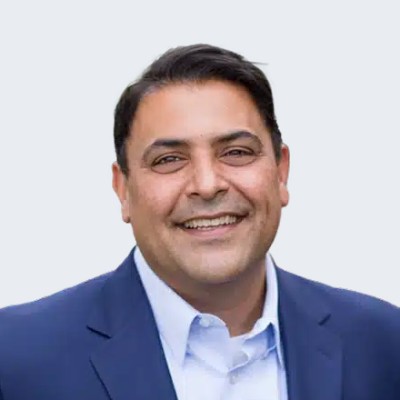
Datis Kharrazian, PhD, DHSc, DC, MS, MMSc, FACN
Dr. Kharrazian is a Harvard Medical School trained researcher, clinical research scientist, academic professor, and functional medicine health care provider. He earned a Master of Medical Science degree (MMSc) in Clinical Investigation from Harvard Medical School and is a member of the Harvard Medical Alumni Association and the American Association of Immunologists.
He is a Fellow of the American College of Nutrition. His clinical models of functional medicine are used by academic institutions and thousands of clinics worldwide.
For more than 25 years, Dr. Kharrazian has consulted with complex patients from around the world, refining the clinical sequence of thought this course teaches. He maintains a private practice near San Diego, California, focused on personalized care through diet, nutrition, and lifestyle.
Session Curriculum
Session 1: Essential Concepts of Endocrinology
Session 2: Environmental, Lifestyle, and Dietary Factors That Impact Endocrine Function
Session 3: The Physiological Web of Female, Male, Adrenal, and Thyroid Hormones
Session 4: Nutraceuticals and Peptides That Impact Endocrine Function
Session 5: Part 1 Review and Clinical Questions
Session 6: Hormone Disorders Throughout the Lifespan
Session 7: Clinical Evaluation of Endocrine Dysfunction
Session 8: Treatment Strategies for Endocrine Dysfunction
Session 9: Hormone Disorders Case Studies
Session 10: Part 2 Review and Clinical Questions
This Course Includes
- 12 hours of on-demand video across 10 sessions
- Downloadable clinical assessment forms and resources, including the Metabolic Assessment Form and Brain Region Localization Form
- A recorded clinical Q&A session
- Counts toward the Kharrazian Institute Functional Medicine Certification (Basic and Advanced)
- Certification exam
- Certificate of completion
What Practitioners Say About the Kharrazian Institute

★★★★★
Amazing, brilliant knowledge, well organised, very comprehensive, and excellent foundational knowledge that builds with every module. You can do it at your own pace, making it cost-effective and rewarding.
★★★★★
My experience with the Kharrazian Institute has been profoundly impactful both professionally and intellectually. I am deeply grateful to study within an environment that prioritizes intellectual rigor, clinical excellence, and meaningful professional growth.

★★★★★
After nearly a decade in functional medicine and countless certifications, Dr. Kharrazian's program is hands down the most valuable training I've ever taken. It has given me confidence to tackle complex cases I used to refer out.
Functional Medicine Certification and Education at the Kharrazian Institute
Hormone Imbalances is one of the nineteen courses in the Kharrazian Institute certification, where Dr. Kharrazian teaches the endocrine system as a set of interacting mechanisms.
A Kharrazian Institute subscription opens the Hormone Imbalances course and the full library with it, moving you toward your functional medicine certification at the Advanced designation, one enrollment covering male, female, adrenal, and thyroid training.
Your subscription includes
- Hormone Imbalances plus all 19 Kharrazian Institute courses, more than 200 hours of functional medicine education
- Monthly Clinical Master Classes taught by leading functional medicine experts
- Full access to the 100-hour Clinical Mastery Program
- A members-only Q&A platform and practitioner community
- The Kharrazian Institute patient referral network
- Progress toward Kharrazian Institute certification
$399 per month, plus a one-time $995 enrollment fee. Cancel anytime.
What is a hormone imbalance?
A hormone imbalance is any point where the endocrine system stops working correctly, not only low hormone output. The problem can sit in pituitary signaling, gland function, the ratio of bound to free hormone, peripheral conversion, metabolite formation, clearance through the gut and liver, or the receptor itself. Functional medicine evaluates each of these mechanisms, along with blood sugar, body fat, the adrenal glands, the microbiome, and the thyroid, then addresses the one or two driving the rest instead of simply replacing a single hormone.
How do you balance hormones when the labs keep coming back normal?
Clear hormone symptoms, a panel that reads normal, and a prescription that never quite worked. That combination is one of the most common reasons a complex patient lands in a functional medicine office. The answer starts by reading hormones as a chain of mechanisms rather than a single level, then treating the mechanism that is actually failing.
Why does a normal hormone level still produce symptoms?
Because level is not effect. The hormone a gland makes travels bound to protein, and only one to two percent is free to bind a receptor. A shift in binding globulins alone can leave total hormone normal and free hormone low, which produces symptoms of deficiency with a healthy gland and a healthy pituitary.
Dr. Kharrazian teaches hormone effect as a sequence: level, plus binding fractions, plus peripheral conversion, plus the metabolites a hormone forms, plus clearance, plus the receptor response. Change any term and the same number means something different. Two patients on the identical testosterone dose can diverge within days, one converting it to far stronger DHT, the other clearing it fast.
Where can the endocrine system actually break down?
Dysfunction can appear anywhere along the pathway. The pituitary may not signal, so low FSH or LH, not gland failure, is behind the low output. The gland itself may be aging or injured. Binding proteins may be off. Clearance may fail at the liver, where hormones move through methylation, sulfation, and glucuronidation, each of which can be depleted.
The gut is part of this too. In the estrobolome, gut bacteria metabolize and recirculate hormones, and dysbiosis raises beta-glucuronidase, which undoes the liver's clearance work and sends hormones back into circulation. A sluggish gallbladder blocks the same elimination route. When hormones build up above the physiological range, receptors downregulate, so a patient on high-dose cream can carry very high levels and every symptom of deficiency.
What is the physiological web, and why treat it instead of the gland?
Hormones do not act alone. They sit inside a web of interacting systems: the mitochondria, body fat, the adrenal glands, blood sugar, the microbiome, the thyroid, and the brain. These interactions are where the vicious cycles live, and where most patients get stuck.
Body fat is an endocrine organ. In men, insulin and aromatase in adipose tissue convert testosterone to estrogen, and the low-testosterone pattern deepens insulin resistance as fat climbs. In women, insulin surges drive the ovarian androgen output behind PCOS, including the normal-weight and underweight patterns that standard workups overlook. The adrenal glands buffer the fluctuations of perimenopause, which is why one woman sails through and another falls apart. A single rule cuts through much of it: hypothyroidism and low BMI can disrupt every one of these pathways, so both are ruled out first.
How do you decide where to start with a complex hormone patient?
You start where the mechanism moves the most systems. Blood sugar and insulin come first, because dysglycemia drives the adrenal glands, PCOS, and aromatization at once. Then body mass index, high or low, since both derail endocrine function and neither needs full normalization to shift. Then the basics that replacement cannot substitute for: enough protein, enough dietary fat, and cholesterol that is not too low to build a steroid hormone.
The best functional medicine practitioners prioritize. They do not treat everything at once. A shotgun of supplements exhausts the patient, drains their funds, and loses their trust, while a precise intervention at the right mechanism lets the body do the rest.
When is hormone replacement the right call, and when is it harm?
Replacement is a tool with real strengths and real risks, and age is the deciding variable. In a teenager or a young adult, the task is to find the mechanism, not to suppress the feedback loop with contraceptives that carry documented risks of weight gain, mood disorders, hypertension, and cancer. In an older patient with genuine gland senescence, restoring a hormone can return brain, bone, and cardiovascular function and change a life.
The course works through both honestly: the undertreatment of men, who are rarely screened, and the overtreatment of women, who are rarely evaluated. It also shows why replacement alone is never enough. The body still has to metabolize, convert, and clear the hormone, so the web, blood sugar, the gut, and the adrenal glands have to be addressed either way.
For related reading, see Explaining Non-Insurance Functional Labs to Skeptical Patients, Chronic Environmental Triggers and Loss of Self-Tolerance: The Mechanism, Primary Hypothyroidism vs. Pituitary Fatigue: Reading the Blood Chemistry, and Identifying the Primary Driver: Neurogenic vs. Metabolic.
Frequently Asked Questions
What is a hormone imbalance in functional medicine?
It is any breakdown in how the endocrine system works, not only a low hormone level. The failure can be in pituitary signaling, gland output, binding proteins, peripheral conversion, metabolite formation, clearance, or the receptor. Functional medicine finds the mechanism rather than treating the number.
What causes high estrogen in men?
Usually aromatase in body fat, turned up by elevated insulin, converting testosterone into estrogen. The low-testosterone, high-estrogen pattern then worsens insulin resistance, and the cycle deepens as body fat increases. Most male hormone problems are this pattern, not simply low testosterone.
How is functional medicine for hormone imbalance different from standard HRT?
Standard care often prescribes a hormone against a symptom and stops there. Functional medicine first evaluates why the hormone is off, addresses the underlying mechanisms, and uses replacement only where age and gland senescence genuinely call for it.
Can perimenopause be managed without hormone replacement?
Often, yes. Perimenopausal hot flashes come from estrogen spikes, and healthy adrenal glands buffer those spikes. Supporting the adrenal glands, blood sugar, and dietary fat helps many women transition with few symptoms, though some still benefit from replacement.
What is the connection between PCOS and insulin resistance?
Insulin surges drive the ovarian androgen output behind PCOS, and rising testosterone worsens insulin resistance in turn. This includes normal-weight and underweight patients, whose PCOS is frequently missed because they do not fit the classic overweight picture.
Who is the Hormone Imbalances course for?
Licensed and non-licensed healthcare practitioners who work with chronic, complex patients and want to evaluate male, female, adrenal, and thyroid hormones by mechanism. The real prerequisite is a genuine interest in human physiology.
Last updated: October 13, 2026


