
Part of the Kharrazian Institute functional medicine certification
Hashimoto's Treatment: A Functional Medicine Course
Treat the autoimmune disease behind the thyroid, not just the gland it destroys.
A 12-hour clinical course on autoimmune thyroid disease, taught by Harvard-trained researcher and clinician Datis Kharrazian, PhD, DHSc, DC, MS, MMSc, FACN.
- 12 hours on-demand video
- 9 sessions
- for licensed and non-licensed practitioners
- part of the certification
★★★★★ "The most valuable training I've ever taken." — Kim Pellegri, FNTP, MRHP, CFMHC

Class Overview
Hashimoto's is still treated as a thyroid problem. It is a multisystem autoimmune disease. Replacement hormone compensates for a gland that is being destroyed, but it leaves the immune attack, the inflammation, and the affected systems untouched. That is why so many patients stay symptomatic with a normal TSH. This course teaches Hashimoto's as an interconnected physiological web, not a single protocol applied to everyone.
The course sits within the Kharrazian Institute's functional medicine education and certification pathway. It teaches the pathophysiology, the triggers, and the clinical sequence of thought for working up and managing the Hashimoto's patients who fill a chronic-care practice.
★★★★★
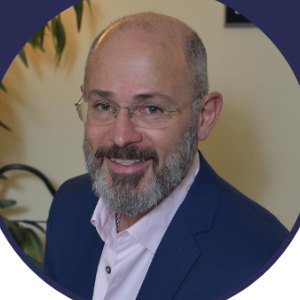
After more than 35 years in clinical practice, I can say with confidence that this is the most rigorous and clinically impactful training I have completed.
Did You Know
- About 90 percent of adult hypothyroidism is Hashimoto's, an autoimmune disease. The confirming antibodies are rarely ordered, so most patients are never told they have autoimmunity at all.
- TPO antibodies cross-react with the cerebellum. Many Hashimoto's patients develop measurable ataxia and early brain degeneration, which continues even after the thyroid is under control.
- Giving 250 micrograms of iodine a day to euthyroid Hashimoto's patients pushed 6 of 40 into subclinical hypothyroidism within four months. One teaspoon of table salt holds about that much iodine.
- A flare destroys thyroid tissue, which releases stored T3 and T4 into the blood. That release can suppress TSH into the normal or low range, so a patient in active autoimmune destruction can test "normal."
- Antibody count does not track disease severity. A patient with a TPO just above range and an aggressive T-cell response can be harder to manage than one with a TPO over 10,000.
Why It Matters
A patient arrives already diagnosed. She takes levothyroxine, her TSH sits in range, and she is still exhausted, foggy, constipated, and gaining weight she cannot lose. Her labs read normal. She has cycled through several clinicians, each one adding another prescription for another symptom.
The replacement is doing its one job. It compensates for a gland that is being destroyed. The disease driving her symptoms was never treated, because it was never really named.
Hashimoto's is where that gap is widest. The standard model waits for overt symptoms, confirms a high TSH, prescribes T4, and rechecks once a year. It manages the gland. It does nothing for the autoimmunity, the inflammation, or the systems that autoimmunity pulls down with it.
Most clinicians were never taught to see those connected systems as one disease. That is the gap this course was built to close.
What You’ll Be Able to Do
Screen chronic patients for undiagnosed Hashimoto's
Recognize the common chief complaints, order the confirming antibodies, and stage the disease from silent antibodies to overt hypothyroidism.
Read the thyroid panel for autoimmune instability
Tell a stable patient from one swinging between hyper and hypo, and gauge how aggressively the gland is being destroyed over time.
Map the Hashimoto's web across the body
Trace the vicious cycles linking the immune system, brain, gut, blood sugar, liver, and female hormones, and see how each feeds the autoimmunity.
Identify the triggers pulling on each patient's web
Work up molecular mimicry, silent pathogens, dietary iodine, gluten cross-reactivity, blood sugar swings, and chemical exposures.
Evaluate the Hashimoto's brain and cerebellum
Use the Romberg test, tandem gait, and other findings to catch the cerebellar degeneration that conventional care ignores.
Sequence an individualized plan
Confirm the patient is not hypothyroid first, then decide where to pull the web for the greatest effect instead of running one fixed protocol.
About the Instructor
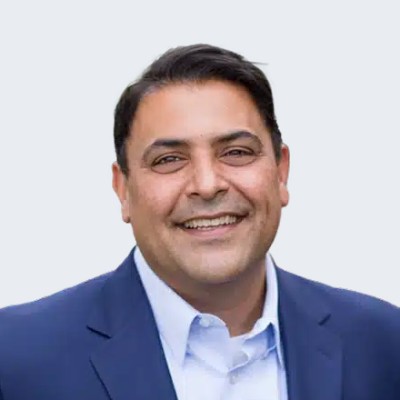
Datis Kharrazian, PhD, DHSc, DC, MS, MMSc, FACN
Dr. Kharrazian is a Harvard Medical School trained researcher, clinical research scientist, academic professor, and functional medicine health care provider. He earned a Master of Medical Science degree (MMSc) in Clinical Investigation from Harvard Medical School and is a member of the Harvard Medical Alumni Association and the American Association of Immunologists.
He is a Fellow of the American College of Nutrition. His clinical models of functional medicine are used by academic institutions and thousands of clinics worldwide.
For more than 25 years, Dr. Kharrazian has consulted with complex patients from around the world, refining the clinical sequence of thought this course teaches. He maintains a private practice near San Diego, California, focused on personalized care through diet, nutrition, and lifestyle.
Session Curriculum
Session 1: Introduction and Pathophysiology of Hashimoto's
Session 2: The Physiological Web of Hashimoto's
Session 3: Diet, Nutrition, and Lifestyle Interventions for Hashimoto's
Session 4: Essential Principles of Thyroid Hormone Replacement and Hashimoto's
Session 5: Environmental and Pathogenic Triggers for Hashimoto's
Session 6: How to Perform a Comprehensive Evaluation of Hashimoto's
Session 7: How to Clinically Manage Patients Suffering from Hashimoto's
Session 8: Hashimoto's Clinical Case Studies
Session 9: Course Review and Clinical Q&A
This Course Includes
- 12 hours of on-demand video across 9 sessions
- Downloadable clinical assessment forms and resources, including the Metabolic Assessment Form and Brain Region Localization Form
- A recorded clinical Q&A session
- Counts toward the Kharrazian Institute Functional Medicine Certification (Basic and Advanced)
- Certification exam
- Certificate of completion
What Practitioners Say About the Kharrazian Institute
★★★★★
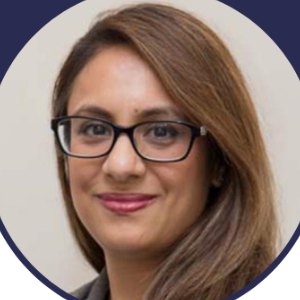
Amazing, brilliant knowledge, well organised, very comprehensive, and excellent foundational knowledge that builds with every module. You can do it at your own pace, making it cost-effective and rewarding.
★★★★★
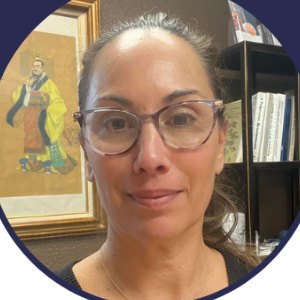
I've been learning from Dr. Kharrazian since 2003, and his clinical framework has shaped the way I practice for over two decades. I highly recommend this program to any practitioner committed to truly leveling up their clinical care.
★★★★★
As a UK-based practitioner, the Kharrazian Institute courses have given me far greater depth and awareness in clinical cases than previous courses. Dr. Kharrazian has an unbelievable ability to translate complex science into practical, accessible knowledge we can apply in our practices.
Functional Medicine Certification and Education at the Kharrazian Institute
Hashimoto's is one of the thyroid-focused courses in the Kharrazian Institute certification, taught by Dr. Kharrazian.
One subscription to the Kharrazian Institute opens the Hashimoto's course and the full catalog behind it, the practical route to your functional medicine certification and to managing the thyroid patients who fill a chronic-care practice.
Your subscription includes
- Hashimoto's plus all 19 Kharrazian Institute courses, more than 200 hours of functional medicine education
- Monthly Clinical Master Classes taught by leading functional medicine experts
- Full access to the 100-hour Clinical Mastery Program
- A members-only Q&A platform and practitioner community
- The Kharrazian Institute patient referral network
- Progress toward Kharrazian Institute certification
$399 per month, plus a one-time $995 enrollment fee. Cancel anytime.
What is Hashimoto's?
Hashimoto's is an autoimmune disease in which the immune system attacks the thyroid gland, and it causes roughly 90 percent of adult hypothyroidism. The antibodies destroy thyroid tissue over time, so the gland makes less hormone and TSH rises. But Hashimoto's is a multisystem disease, not only a thyroid one. The same autoimmunity and inflammation affect the brain, gut, blood sugar, liver, and reproductive system. Replacing thyroid hormone is necessary when TSH is high, yet it does not treat the autoimmune attack driving most of the patient's symptoms.
What is Hashimoto's, and why do so many patients stay sick on thyroid medication?
Standard care manages the gland and ignores the disease. It waits for overt symptoms, confirms a high TSH, prescribes T4, and rechecks once a year. The autoimmunity, the inflammation, and the systems they pull down are never addressed. This course teaches Hashimoto's as a connected web and shows the clinician where to intervene for each patient, rather than handing out one fixed protocol.
What is the Hashimoto's web?
Hashimoto's is best understood as a web of connected vicious cycles, not a straight line from antibody to destroyed gland. The immune web comes first. Thyroid hormone is itself anti-inflammatory and immune-modulating, so a hypothyroid patient cannot calm their own autoimmunity, and their gut barrier keeps breaking down.
The brain web follows. TPO antibodies cross-react with cerebellar tissue, and many patients also carry antibodies to myelin or transglutaminase 6, so ataxia and early neurodegeneration are common and persist after the thyroid is controlled.
The gut web shows reduced microbiome diversity and a roughly two-fold risk of gallstones, which blocks absorption of vitamins D and A. Low thyroid function slows motility, so chronic constipation and small intestinal bacterial overgrowth are common, and both can be the first clue to undiagnosed hypothyroidism.
The blood sugar web drives flares in two directions: hypoglycemic surges spike cortisol and insulin, while insulin resistance generates glycation that inflames the gland. The liver web controls most T4-to-T3 conversion and the binding proteins that carry hormone, so a sick liver produces the "normal labs, sick patient" picture. The female endocrine web ties Hashimoto's to PCOS and infertility, and estrogen shifts change how much hormone stays bound versus free.
No single nutrient resolves a web like this. Selenium, myo-inositol, or a gut protocol applied in isolation tends to disappoint, because the other cycles keep feeding the fire.
Why do normal thyroid labs miss active disease?
In the early stages, TSH, T4, T3, and the free fractions all read normal. The only finding is antibodies. So a patient can have active Hashimoto's for years and be told nothing is wrong. Screening the antibodies is what catches them, and antibodies are more stable than TSH.
TSH itself is unreliable in this disease. When a flare destroys thyroid tissue, that tissue releases its stored T3 and T4 into the blood. The extra hormone suppresses TSH, so a patient in active destruction can test normal or even low. A single annual snapshot often lands in a window that looks fine. If a patient reports a recent stretch of palpitations, heat intolerance, or insomnia, that is a clue the autoimmunity flared and briefly dumped hormone into circulation.
One more caution shapes the whole evaluation. Antibody count does not measure severity. A TPO over 10,000 with good immune tolerance can be easier to manage than a TPO just above range with an aggressive T-cell response. Track a patient's own antibodies over time for relapse and remission, rather than ranking one patient against another by the number.
What triggers the autoimmune attack?
Each patient has their own triggers, and finding them is most of the work. Infections can set off autoimmunity through molecular mimicry, where antibodies to a pathogen cross-react with thyroid proteins. Hepatitis C, parvovirus B19, coxsackievirus, and herpes viruses have all been found in Hashimoto's thyroid tissue. A useful distinction: painful thyroiditis points to a pathogen inside the gland, while painless thyroiditis points to molecular mimicry or the autoimmune attack alone.
Diet and lifestyle pull just as hard. Dietary iodine directly raises antibody levels in susceptible people and can tip euthyroid patients into hypothyroidism, so glandulars and high-iodine multivitamins often make Hashimoto's worse. Gluten matters through cerebellar cross-reactivity as well as the gut. Blood sugar swings, chemical exposures such as pesticides and plasticizers, and estrogen shifts from oral contraceptives each flare the autoimmunity in their own way. The same disease looks different in two patients because their triggers are different.
Why does thyroid medication stop working?
Many patients feel their best in the first weeks on thyroid hormone. The honeymoon is real. Thyroid hormone dampens inflammation and supports the immune system, so the whole web quiets for a while. Then the old symptoms return, because replacement never addressed why the web was inflamed.
Three failure points explain it. The antibodies destroy the gland, so output drops. Inflammation slows the enzyme that converts T4 to T3, so a patient on T4 can still run low on active hormone. And inflammatory cytokines blunt the thyroid receptor itself, so hormone circulates but has little effect at the tissue. Lab values cannot see the receptor, which is why symptoms persist when the panel looks normal.
Where does treatment actually start?
Management does not start with a protocol. It starts with the patient: their goals, their expectations, and the honest truth that Hashimoto's is managed through relapse and remission, not cured. The first clinical step is to confirm the patient is not hypothyroid. Diet, nutrition, and lifestyle have little effect while TSH is high, so adequate replacement comes first.
From there, the clinician untangles the web. Blood sugar is a frequent starting point, because stabilizing it alone can cut symptoms substantially. Then triggers come out, sleep and gut repair come in, chemical exposures come down, and immune tolerance slowly improves. Where to begin depends on the patient. One person needs their Epstein-Barr load controlled first; another cannot calm that infection until their blood sugar is managed; a third will not improve while they keep eating gluten with celiac disease.
The gains are often slow and quiet. The skill the course builds is not more supplements. It is knowing where on the web to pull, and in what order, for the patient in front of you.
For related reading, see Maintaining Standard of Care While Using Emerging Functional Medicine Research, Navigating Scope of Practice in Functional Medicine: What Practitioners Should Consider, Chronic Environmental Triggers and Loss of Self-Tolerance: The Mechanism, and Primary Hypothyroidism vs. Pituitary Fatigue: Reading the Blood Chemistry.
Frequently Asked Questions
Do I need a clinical license to take this course?
No. It is built for healthcare professionals across specialties, licensed and non-licensed, who work with chronic patients. It serves practitioners new to autoimmune thyroid disease and those who already manage it and want a deeper clinical model.
How much time does the course take, and how long is the material available?
The curriculum runs about 12 hours across nine sessions, taught over a two-day intensive and delivered as on-demand video. A Kharrazian Institute subscription keeps the course and the full catalog available while the subscription is active, so clinicians work at their own pace.
Does the course teach specific supplement or medication protocols?
It teaches clinical reasoning, not a fixed recipe. The point of Hashimoto's is that two patients with the same diagnosis need different sequencing. The course builds the judgment to read each patient's web and decide where to intervene, which is why a single protocol applied to everyone tends to fail.
Is Hashimoto's connected to other autoimmune conditions?
Often, yes. The same loss of immune tolerance that drives the thyroid attack can involve the gut, the nervous system, and the reproductive system, and the course maps those connections. Celiac disease and PCOS come up frequently in these patients, which is why the evaluation looks beyond the thyroid.
How does this course differ from other thyroid or Hashimoto's trainings?
Most trainings treat Hashimoto's as a thyroid topic and stop at replacement and a short supplement list. This course treats it as a multisystem autoimmune disease and teaches the full clinical sequence, from screening and staging through trigger identification and individualized management.
Will this help with patients already taking thyroid medication?
Yes. Many of these patients are the ones who stay symptomatic on a normal TSH. The course shows how to work up the autoimmunity and the affected systems alongside the replacement they are already on, so the medication becomes one step in the plan rather than the whole plan.
Last updated: October 13, 2026