
Part of the Kharrazian Institute functional medicine certification
Cardiovascular and Neurovascular Syndromes
Catch vascular disease years before a scan turns positive.
A functional medicine course on reading the vascular system early, across the heart, the brain, and the limbs, taught by Harvard-trained researcher and clinician Datis Kharrazian, PhD, DHSc, DC, MS, MMSc, FACN.
- 12 hours on-demand video
- 10 sessions
- for licensed and non-licensed practitioners
- part of the certification
★★★★★ "Far greater depth and awareness in clinical cases than previous courses." — Melissa Phillips, RNTP, MSc, IFMCP

Class Overview
Vascular disease is the leading cause of death, and it responds to diet, nutrition, and lifestyle more than almost any other chronic condition. Yet most care waits for a stroke or a heart attack, then treats what is already downstream. Conventional screening is built to catch blockage, not the endothelial dysfunction that comes first. This course teaches clinicians to read the vascular system early, across the heart, the brain, and the limbs, and to manage it by mechanism rather than by protocol. It is part of the Kharrazian Institute's functional medicine education and certification program.
★★★★★
Every single course I have taken through the Kharrazian Institute has been extremely thorough and immediately applicable in practice the next day. I recommend this program to anyone who wants to have a thorough grasp of functional medicine.
Did You Know
- A sudden onset of restless leg syndrome often marks a silent stroke. These small strokes tend to hit the lenticulostriate arteries over the basal ganglia, and the same event can switch on anxiety that lasts for years.
- Chest pain is not always felt in the chest. Chronic upper-mid back pain, or neck stiffness that comes and goes, can be angina without the classic left-arm pattern.
- A positive stress test needs at least 50 percent blockage before it shows anything. A coronary artery calcium scan flags risk long before that, and it predicts stroke, heart disease, and all-cause mortality.
- The lining of the blood vessels is an endocrine organ. Each time blood flow rises with exercise, endothelial cells release nitric oxide, which both widens the vessel and protects the vessel wall.
- Vascular disease is not a slow lifetime accumulation. Once nitric oxide falls, a patient can move from a clean scan to significant atherosclerosis in roughly three years through feed-forward cycles.
Why It Matters
Vascular disease is the most common cause of death, and it is also one of the most preventable. The problem is timing. The tools in routine use are built to confirm disease that has already arrived, not to catch it while the vessel wall is still intact.
A stress test needs roughly half the artery blocked before it reads positive. A standard lipid panel reports a number against a disease cutoff, not the injury driving it. By the time those tools agree something is wrong, the vascular tree has already lost ground, and the patient has often spent years chasing an unrelated explanation for restless legs, new anxiety, or leg pain no one could place.
The injury itself is quiet, measurable, and reversible long before any of that. Most clinicians were never taught to read it at that stage. That gap, between when vascular disease begins and when standard care notices it, is the problem this course addresses.
What You’ll Be Able to Do
Catch vascular disease years before an event
Recognize the early signs of low nitric oxide, including cold hands and feet, lost physical and mental endurance, slow recovery, and a rising blood pressure.
Spot the vascular problems other clinicians miss
Read the histories behind silent strokes, transient ischemic attacks, atypical angina, and peripheral arterial disease that patients carry for years undiagnosed.
Perform a step-by-step vascular exam
Work through blood pressure, waist-to-hip ratio, pulses, cardiac auscultation, jugular venous distention, and the ankle-brachial index for peripheral disease.
Order and read the labs that map the mechanism
Interpret oxidized LDL, homocysteine, MMP9, ferritin, fibrinogen, lipid particle size, and glucose markers, and know when to send a patient for a calcium score.
Trace the upstream drivers through the physiological web
Connect the gut and TMAO, insulin resistance, body fat, sex hormones, thyroid, and the brain to the vascular injury you see on paper.
Decide between upstream and downstream care, and sequence it
Weigh urgency against patient compliance to choose prevention, nutraceuticals, lifestyle, or pharmacology, and combine them when a case calls for it.
About the Instructor
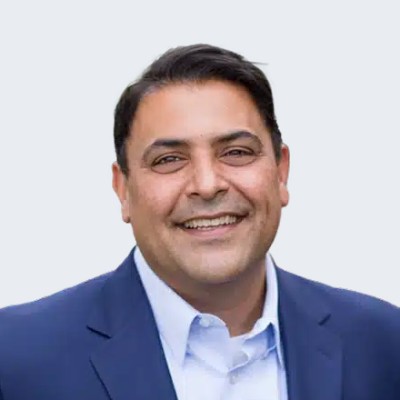
Datis Kharrazian, PhD, DHSc, DC, MS, MMSc, FACN
Dr. Kharrazian is a Harvard Medical School trained researcher, clinical research scientist, academic professor, and functional medicine health care provider. He earned a Master of Medical Science degree (MMSc) in Clinical Investigation from Harvard Medical School and is a member of the Harvard Medical Alumni Association and the American Association of Immunologists.
He is a Fellow of the American College of Nutrition. His clinical models of functional medicine are used by academic institutions and thousands of clinics worldwide.
For more than 25 years, Dr. Kharrazian has consulted with complex patients from around the world, refining the clinical sequence of thought this course teaches. He maintains a private practice near San Diego, California, focused on personalized care through diet, nutrition, and lifestyle.
Session Curriculum
Session 1: Introduction to Cardiovascular and Neurovascular Syndromes
Session 2: Vascular Pathophysiology
Session 3: The Physiological Web of Vascular Disease
Session 4: Nutraceuticals That Impact Vascular Health
Session 5: Part 1 Review and Questions
Session 6: Environmental, Dietary, and Lifestyle Risk Factors for Vascular Syndromes
Session 7: How to Clinically Evaluate Cardiovascular and Neurovascular Syndromes
Session 8: How to Clinically Manage Cardiovascular and Neurovascular Syndromes
Session 9: Case Studies of Cardiovascular and Neurovascular Disorders
Session 10: Part 2 Review and Questions
This Course Includes
- 12 hours of on-demand video across 10 sessions
- Downloadable clinical assessment forms and resources, including the Metabolic Assessment Form and Brain Region Localization Form
- A recorded clinical Q&A session
- Counts toward the Kharrazian Institute Functional Medicine Certification (Basic and Advanced)
- Certification exam
- Certificate of completion
What Practitioners Say About the Kharrazian Institute

★★★★★
Amazing, brilliant knowledge, well organised, very comprehensive, and excellent foundational knowledge that builds with every module. You can do it at your own pace, making it cost-effective and rewarding.
★★★★★
Dr Kharrazian has no equal. No other educator breaks down care with as much mechanism, hard-earned knowledge of sequencing and directing clinical work, and the research and lab assessment brilliance.
★★★★★
This is the best-quality, most well-researched functional medicine education you will ever come across.
Functional Medicine Certification and Education at the Kharrazian Institute
Cardiovascular and Neurovascular Syndromes is part of the Kharrazian Institute certification Dr. Kharrazian built, training clinicians to read the vascular system early across the heart, brain, and limbs.
With a Kharrazian Institute subscription, the Cardiovascular and Neurovascular Syndromes course opens along with the entire library, moving you toward your functional medicine certification at both the Basic and Advanced designations.
Your subscription includes
- Cardiovascular and Neurovascular Syndromes plus all 19 Kharrazian Institute courses, more than 200 hours of functional medicine education
- Monthly Clinical Master Classes taught by leading functional medicine experts
- Full access to the 100-hour Clinical Mastery Program
- A members-only Q&A platform and practitioner community
- The Kharrazian Institute patient referral network
- Progress toward Kharrazian Institute certification
$399 per month, plus a one-time $995 enrollment fee. Cancel anytime.
What is endothelial dysfunction?
Endothelial dysfunction is the early failure of the cells that line the blood vessels, before any plaque or blockage appears. These cells form an endocrine organ that releases nitric oxide, controls vessel tone, and protects the vessel wall. When they are injured by high blood pressure, oxidized LDL, homocysteine, infections, free radicals, or TMAO, nitric oxide drops and the wall becomes permeable. That opening is where atherosclerosis begins. It is the stage where vascular disease is still quiet, still measurable, and still reversible.
What Causes Vascular Disease, and Why Do Standard Tests Miss It?
Consider the patient who did everything right. They eat well, they exercise, their stress test is clean. Then they develop restless legs, new anxiety, or leg pain no one can explain, and they spend years chasing an emotional cause. The overlooked problem is that routine cardiac screening is built to confirm blockage, so it stays silent while the vascular tree is already losing ground. This course teaches clinicians to read the endothelium at the stage standard tools cannot see, and to sequence care from there.
What is endothelial dysfunction, and why does it come first?
The endothelium is one thin layer of cells lining every artery and vein. It behaves like an endocrine organ. It releases nitric oxide, growth factors, and matrix proteins, and it controls vessel tone, clotting, and inflammation. Rising blood flow during exercise triggers nitric oxide, which widens the vessel and protects its wall.
Injury changes that. High blood pressure, oxidized LDL, homocysteine, free radicals, chronic infections, and TMAO all damage these cells. Nitric oxide falls, the wall becomes permeable, and small LDL slips in and oxidizes. That is the start of atherosclerosis. Clinicians can learn to find this stage early, because the cells are still working and the patient still has time.
Why do standard cardiac tests look normal in early vascular disease?
Most screening is built to confirm late disease. A stress test and a resting ECG need significant blockage to turn positive. A routine lipid panel reports values against disease cutoffs, not against the injury driving them.
The course favors tools that see earlier. A coronary artery calcium score predicts cardiovascular events and all-cause mortality, and it exposes plaque a stress test would miss. The ankle-brachial index catches peripheral arterial disease at the bedside. The clinical exam, from pulses to cold feet to blood pressure trends, often flags the vascular tree before any imaging does.
What are the early signs practitioners keep missing?
Low nitric oxide shows up as lost endurance. The patient cannot work, think, or exercise as long as before, recovery takes longer, and their hands and feet stay cold. Blood pressure that used to run low and is now "better" is often a warning, not an improvement.
The neurovascular signs are quieter still. A silent stroke can present as sudden restless legs or new, fixed anxiety, because small vessels off the middle cerebral artery feed the basal ganglia. Angina can arrive as chronic upper-back or neck pain. Leg cramps on walking, varicose veins, and poor wound healing point to peripheral disease. One finding means the whole vascular tree deserves a look.
What drives vascular injury upstream?
Vascular disease rarely stands alone. The physiological web is the set of systems that feed injury from upstream. The gut microbiome shifts blood pressure through the renin-angiotensin system, and it turns dietary choline and carnitine into TMA, which the liver converts to the atherosclerosis promoter TMAO. Dietary fiber and short-chain fatty acids push the other way and lower blood pressure.
Insulin resistance and dysfunctional body fat drive inflammation into the vessel wall. Thyroid hormone clears cholesterol and keeps the endothelium working, so long-standing low thyroid function raises cardiovascular risk. Sex hormones, stress, and the brain all set vascular tone. Treat the web, and the vascular markers often follow.
Upstream or downstream: where should care begin?
Not every patient gets the same plan. The course teaches a simple way to decide. Rate the vascular situation from one to ten using the exam, the labs, and the calcium score, and take the highest finding as the score. Then weigh the patient's compliance.
A high vascular score with low compliance points downstream, where blood pressure control and pharmacology do the most good. A low score with a motivated patient is where upstream work shines, and you have time to address the gut, insulin, and hormones. A recent transient ischemic attack or a very high calcium score forces downstream action first, while upstream work continues underneath. Many real cases need both at once.
How do nutraceuticals, diet, and lifestyle fit the plan?
The course separates three ways to use nutraceuticals: a generalizable approach from large trials, a condition-based approach, and a personalized approach matched to the mechanism. The personalized path is the clinical goal, because it targets the specific driver a workup reveals.
Diet is matched to the patient, not the diagnosis. One case needs an autoimmune pattern, another ketosis, another a low-sodium DASH pattern for blood pressure. Sleep, movement, stress, and relationships all move vascular risk in measurable ways, and infections from H. pylori to hepatitis C can injure vessels in a patient who otherwise does everything right. The clinician's job is to find the driver, then choose the tool.
For related reading, see Muscle Mass as Longevity Organ: Functional Medicine Approach, Beyond Pharmaceuticals: Integrative Migraine Management, Metabolic Dysfunction as Hidden Driver of Chronic Migraines, and Functional Hypoxia: Hidden Driver of Cognitive Decline.
Frequently Asked Questions
What is a coronary artery calcium score, and how often should it be repeated?
It is a quick CT scan that measures calcified plaque and predicts cardiovascular events and all-cause mortality. A score of zero with stable health may not need repeating for two to three years. A moderate or rising score, or a new inflammatory event, warrants checking sooner. Each scan carries radiation, so it is not repeated every few months.
Is high cholesterol on a ketogenic diet a cause for concern?
When a patient shifts to using fat for fuel, LDL, VLDL, and particle numbers rise as a normal physiological response. Cholesterol is a real factor in heart disease, but it is not the only one, and these keto-related changes differ from the pattern seen in a fasting, non-keto state. The full vascular workup, not the lipid panel alone, tells the story.
How do you screen for peripheral arterial disease?
Start with the exam: cold feet, shiny or discolored skin, poor nail beds, unequal pulses, and leg cramps on walking. Confirm with the ankle-brachial index, comparing ankle to arm blood pressure. A ratio below 0.9 indicates peripheral arterial disease, which also raises the risk of stroke and heart attack.
Can endothelial dysfunction be reversed?
Early endothelial dysfunction often improves when nitric oxide is restored through movement, diet, and upstream care. Established calcified plaque does not fully reverse, but aggressive care can halt its progression. The earlier a clinician intervenes, the more function there is to protect.
Does the Cardiovascular and Neurovascular course count toward certification?
Yes. Cardiovascular and Neurovascular Syndromes counts toward the Kharrazian Institute Functional Medicine Certification, at both the Basic and Advanced designations.
Who is this course for, and what is included?
It is built for healthcare professionals, licensed and non-licensed, who work with chronic and complex patients. It includes 12 hours of on-demand video across 10 sessions, downloadable clinical resources, the certification exam, and a certificate of completion.
Last updated: October 13, 2026


