
Part of the Kharrazian Institute functional medicine certification
Longevity Medicine Certification Course for Clinicians
Learn to read how fast a patient is aging, catch disease early, and move the chronic cases that no longer respond.
An advanced course in geroscience and longevity medicine for the practitioner who sees complex patients every week, taught by Harvard-trained researcher and clinician Datis Kharrazian, PhD, DHSc, DC, MS, MMSc, FACN.
- 12 hours on-demand video
- 10 sessions
- for licensed and non-licensed practitioners
- part of the certification
★★★★★ "Far greater depth and awareness in clinical cases than previous courses." — Melissa Phillips, RNTP, MSc, IFMCP

Class Overview
Most chronic patients who stall are not missing a diagnosis. They are aging faster than their years. Geroscience studies the physiology underneath that process: the cellular changes that surface as cancer, dementia, heart disease, and the ordinary case that will not move. A 30-year-old and an 80-year-old with the same condition do not recover at the same rate, and this course explains why. It teaches how aging physiology drives chronic disease, how to screen early for the most common causes of death, and what to do for the patient who does everything right and still does not respond.
★★★★★
Every single course I have taken through the Kharrazian Institute has been extremely thorough and immediately applicable in practice the next day. I recommend this program to anyone who wants to have a thorough grasp of functional medicine.
Did You Know
- A patient's ability to get off the floor predicts how long they will live. In a study of more than 2,000 adults, a low score on the sitting-rising test carried over six times the all-cause mortality risk. Each hand or knee used to stand costs a point.
- Isolation kills on the scale of a cigarette habit. In a large meta-analysis, adequate social relationships raised the likelihood of survival by about 50 percent, an effect that exceeded obesity and physical inactivity.
- Being on more than three medications is tied to a three- to four-fold higher mortality risk, no matter what the drugs treat. Polypharmacy also raises dementia risk, even when none of the drugs act on the brain.
- A faster walking pace tracks with longer telomeres. In 400,000 UK Biobank participants, brisk walkers carried longer leukocyte telomeres than slow walkers of the same age.
- For the first eight decades of life, lifestyle outweighs genes. Genetics only climbs to a major role in centenarians, reaching roughly 30 percent in women and 48 percent in men.
Why It Matters
Every practice has the patient who has done everything. The elimination diet, the gut support, two or three good practitioners, and barely any movement. The labs are unremarkable, and the trigger hunt keeps coming up empty.
The standard annual physical compounds the problem from the other side. It is built to find disease once it is advanced, which means cardiovascular disease and cancer, the two leaders worldwide, are often caught late. Both stay silent until they are not.
Underneath both situations sits the same overlooked variable: how fast the patient is actually aging. Chronological age is how many years have passed. Biological age is how the physiology is functioning, and it is the one that predicts the outcome. When the physiology of aging is expressed, the usual protocols lose their grip, and most training never tells you why.
What You’ll Be Able to Do
Read a patient's biological age, not just their chronological age
Combine simple office measures of frailty and strength with telomere testing to see which patients are aging ahead of their years.
Screen for the top causes of death before symptoms appear
Build an annual workup that looks for early cancer, cardiovascular disease, and cognitive decline, instead of catching them late.
Recognize inflammaging as the reason a chronic case will not move
Separate a patient reacting to a real trigger from one whose own cellular debris is driving the inflammation.
Use hormesis deliberately in a treatment plan
Apply controlled stress such as fasting, cold, heat, and exercise to build resiliency, and know how to stop before you push a fragile patient past their limit.
Map physiological resiliency across the body's systems
Identify which tissue is losing resiliency first, and use that to judge prognosis and where to begin.
Build a plan for the patient who does everything right and still does not respond
Shift from chasing one more trigger to working the aging physiology that is holding recovery back.
About the Instructor
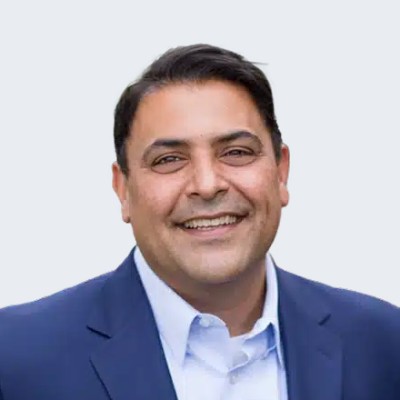
Datis Kharrazian, PhD, DHSc, DC, MS, MMSc, FACN
Dr. Kharrazian is a Harvard Medical School trained researcher, clinical research scientist, academic professor, and functional medicine health care provider. He earned a Master of Medical Science degree (MMSc) in Clinical Investigation from Harvard Medical School and is a member of the Harvard Medical Alumni Association and the American Association of Immunologists.
He is a Fellow of the American College of Nutrition. His clinical models of functional medicine are used by academic institutions and thousands of clinics worldwide.
For more than 25 years, Dr. Kharrazian has consulted with complex patients from around the world, refining the clinical sequence of thought this course teaches. He maintains a private practice near San Diego, California, focused on personalized care through diet, nutrition, and lifestyle.
Session Curriculum
Session 1: Introduction to Aging, Longevity, and Wellness Medicine
Session 2: The Pathophysiology of Accelerated Aging
Session 3: Longevity and Wellness Risk Factors
Session 4: Preventive Medicine Nutraceuticals for Aging and Wellness
Session 5: Part 1 Review and Clinical Q&A
Session 6: Environmental, Dietary, and Lifestyle Risk Factors That Impact Longevity
Session 7: How to Clinically Evaluate Longevity and Aging Risk Factors
Session 8: How to Clinically Manage Longevity and Aging Risk Factors
Session 9: Case Studies for Longevity and Wellness
Session 10: Part 2 Review and Clinical Q&A
This Course Includes
- 12 hours of on-demand video across 10 sessions
- Downloadable clinical assessment forms and resources, including the Metabolic Assessment Form and Brain Region Localization Form
- A recorded clinical Q&A session
- Counts toward the Kharrazian Institute Functional Medicine Certification (Basic and Advanced)
- Certification exam
- Certificate of completion
What Practitioners Say About the Kharrazian Institute
★★★★★
Amazing, brilliant knowledge, well organised, very comprehensive, and excellent foundational knowledge that builds with every module. You can do it at your own pace, making it cost-effective and rewarding.
★★★★★
Dr Kharrazian has no equal. No other educator breaks down care with as much mechanism, hard-earned knowledge of sequencing and directing clinical work, and the research and lab assessment brilliance.
★★★★★
This is the best-quality, most well-researched functional medicine education you will ever come across.
Functional Medicine Certification and Education at the Kharrazian Institute
Longevity is an advanced course in the Kharrazian Institute certification, Dr. Kharrazian's framework for slowing the mechanisms that drive aging and chronic disease.
A Kharrazian Institute subscription opens the Longevity course together with every course the Institute has built, a steady path toward your functional medicine certification and the training that follows each new release.
Your subscription includes
- Longevity plus all 19 Kharrazian Institute courses, more than 200 hours of functional medicine education
- Monthly Clinical Master Classes taught by leading functional medicine experts
- Full access to the 100-hour Clinical Mastery Program
- A members-only Q&A platform and practitioner community
- The Kharrazian Institute patient referral network
- Progress toward Kharrazian Institute certification
$399 per month, plus a one-time $995 enrollment fee. Cancel anytime.
What is longevity medicine?
Longevity medicine is the clinical use of geroscience, the study of why cells age and fail. It is not appearance medicine or hormone peaks. The goal is a longer healthspan: more years free of disease, and disease caught early while it is still silent. For practitioners, it also explains why some chronic patients stop responding. When the physiology of aging is expressed, the usual protocols lose their effect, and the work shifts to restoring resiliency and the systems that drive recovery.
What can longevity medicine do for chronic patients who don't respond?
You know the case. The patient has done the elimination diet, taken the gut support, worked with two or three good practitioners, and barely moved. The labs are unremarkable, and you start to wonder what you missed. Often the answer is not a missed diagnosis. It is that the patient's physiology is aging faster than their age, and the usual interventions cannot gain traction against it. Longevity medicine gives you a different question to ask: is this patient still able to recover, and what in their aging physiology is standing in the way.
What is geroscience, and how is it different from functional medicine?
Functional medicine sees chronic inflammation and looks for the trigger: the food protein, the pathogen, the environmental exposure. Geroscience asks why those triggers landed in the first place. Its premise is that aging is itself the process under most chronic disease.
In this model, genes combine with a lifetime of environment and produce a set of cellular changes. Dr. Kharrazian teaches these as the hallmarks of aging: genomic instability, telomere shortening, epigenetic drift, loss of protein quality control, poor nutrient sensing, failing mitochondria, cellular senescence, stem cell exhaustion, and broken cell-to-cell signaling. They do not cause separate, unrelated diseases. They set the stage for all of them.
Why do two patients with the same condition recover at different rates?
Chronological age is how many years have passed. Biological age is how the physiology is actually functioning, and biological age is the one that predicts the outcome. The practical read on it is resiliency: how well a patient bounces back. A loss of sleep that used to cost nothing now costs three days. A workout triggers a week of pain. Foods that were once fine now provoke a reaction. Each of these is resiliency slipping, and it tends to slip first in whichever system is aging fastest. Research on centenarians points to one shared trait, and it is not a gene. They keep their resiliency.
What is inflammaging, and why does it stall recovery?
As tissue accumulates senescent cells and cellular debris, the immune system works to clear it, and that clearing shows up as chronic, low-grade inflammation. This is why some patients react to almost everything and settle for almost nothing. A small amount of a reactive food produces dramatic swelling. A mild workout tips into overtraining. The panels come back normal, and the trigger hunt comes up empty. The driver is not a single antigen. It is the debris itself, and the clinical move is to support the body's own cleanup rather than chase one more exposure.
How do you read a patient's biological age in the office?
Most of this takes minutes and little equipment. A dynamometer reads grip strength, which predicts all-cause, cancer, and cardiovascular mortality in large data sets. The sitting-rising test and the 30-second chair stand read frailty and strength from the floor up. Gait speed matters on its own, and a brisk pace of 13 to 20 minutes per mile is a reasonable floor. For a lab window on biological age, telomere length measured on white blood cells gives a reading against others the same age. The course is careful about what that number means and does not mean, so you can use it without overselling it to a patient.
How do you catch the top causes of death early?
Cardiovascular disease and cancer sit at the top of the list worldwide, and both stay silent until they are advanced. The standard annual physical is built to find disease late. A longevity workup is built to find it early. The course walks through the current tools and what each can and cannot do, so you can assemble a workup that fits the patient in front of you rather than ordering everything for everyone.
How do you build a plan for the patient who does not respond?
When the working diagnosis is impaired resiliency, the plan changes. Instead of adding one more supplement, you work the aging physiology directly, using controlled stress to wake the body's repair systems. That controlled stress is hormesis: fasting, caloric restriction, cold, heat, and exercise, each applied to a tolerance and no further. Push a fragile patient past their threshold and you get more inflammation, not more recovery. The course anchors the work in a small set of principles, so the judgment travels with you into the cases that were stuck.
For related reading, see Functional Medicine for Bone and Joint Conditions: Beyond NSAIDs and Imaging, Muscle Mass as Longevity Organ: Functional Medicine Approach, Mitochondrial Function Testing for Longevity Optimization, and Three Simple Ways to Lay the Foundation of Good Health.
Frequently Asked Questions
What is longevity medicine, and how is it different from anti-aging medicine?
Longevity medicine applies geroscience to extend healthspan and catch disease early. Anti-aging medicine, as it is usually marketed, is appearance work: fillers, hormone peaks, and cosmetic treatments. This course is about physiology, not appearance.
Who is the Longevity course for?
It is built for healthcare professionals across specialties, licensed and non-licensed, who see chronic and complex patients. The real prerequisite is an interest in how aging physiology drives disease.
What is the difference between lifespan and healthspan?
Lifespan is how long a patient lives. Healthspan is how much of that time is free of disease and disability. The goal of the course is a longer healthspan, not simply more years.
Can you reverse your biological age or lengthen telomeres?
Not in the way it is often sold. Certain habits slow telomere shortening, but they do not regrow telomeres. The realistic goal is to slow the loss and hold resiliency, not to turn the clock back.
Does the Longevity course count toward a functional medicine certification?
Yes. Longevity is an advanced course and counts toward the Kharrazian Institute's functional medicine certification at the Advanced designation. This course is part of the broader functional medicine education the Institute provides to practitioners worldwide.
How much time does the course take, and how is it delivered?
It is 12 hours of on-demand video across 10 sessions, including two recorded clinical Q&A sessions. You study at your own pace, and the downloadable resources are built to use in practice the next day.
Last updated: October 13, 2026


