Sleep complaints are often treated as one problem, but Datis Kharrazian, PhD, DHSc, DC, MS, MMSc, FACN, separates them by pattern. Trouble falling asleep points to elevated cortisol at night. Trouble staying asleep, with waking in the early morning hours, points to low cortisol that can't release stored glucose overnight. A salivary cortisol profile across the day helps confirm which pattern the patient has.
When your patients say they can't sleep, do you know whether they can't fall asleep or can't stay asleep? The two complaints point to opposite cortisol problems.
Why sleep complaints get lumped together
"Insomnia" covers both patterns, and both often get the same sleep aid. The mechanisms are different, so the fix has to be different too.
The distinction comes from one follow-up question in the history: is the problem getting to sleep, or staying asleep?
What causes trouble falling asleep?
Normally, cortisol is high in the morning and low at night. In patients who can't fall asleep, it stays elevated at night.
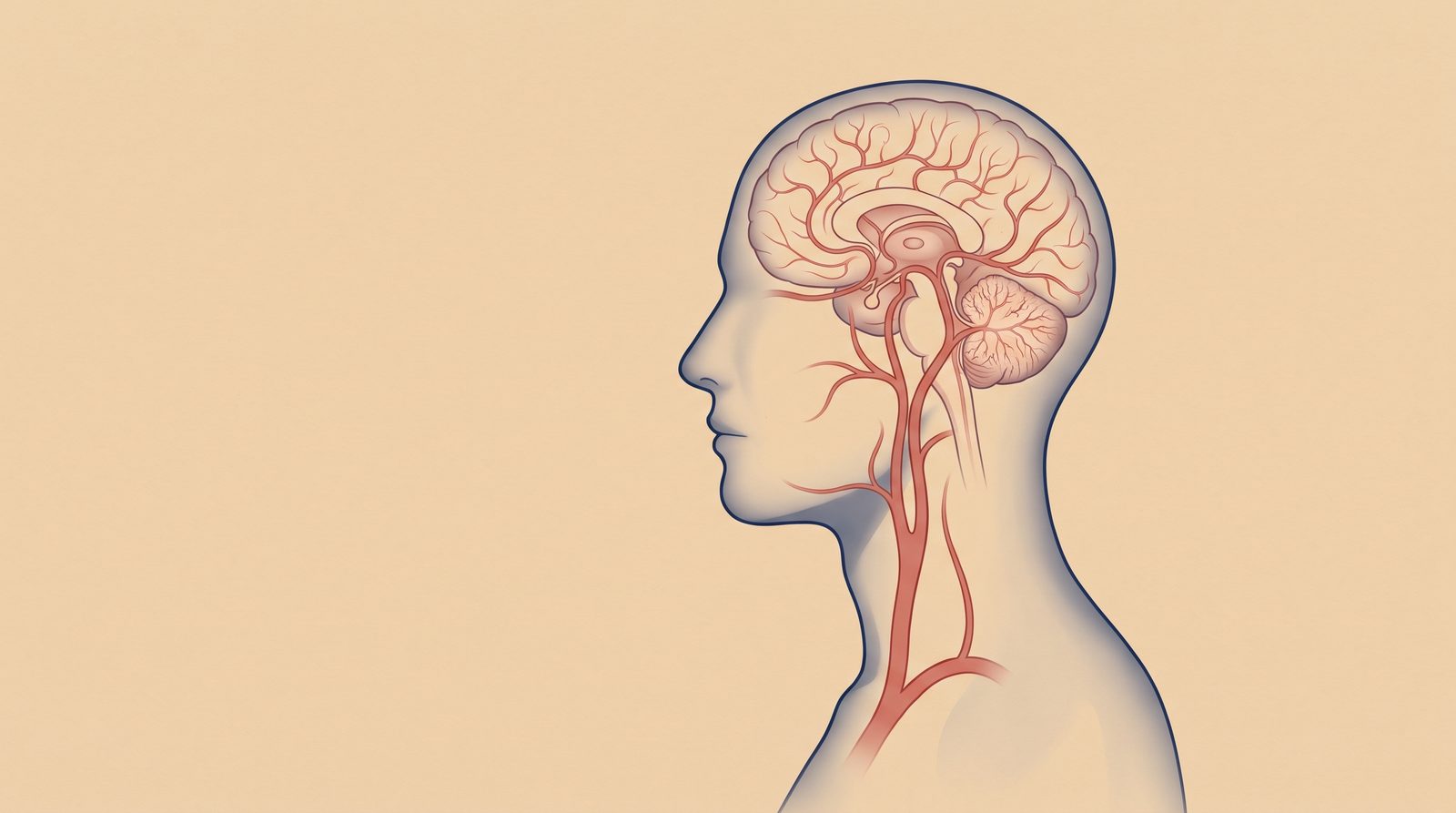
Dr. Kharrazian explains that elevated cortisol sensitizes receptors in the brainstem, and the patient can't fall asleep. When a patient describes lying awake for a long time after going to bed, think of high nighttime cortisol.
What causes trouble staying asleep?
These patients fall asleep without trouble, then wake in the night. Think of low cortisol.
Cortisol is needed to break down glycogen, the body's stored form of glucose. Around two, three or four in the morning, the glucose from the last meal is used up. The body then depends on cortisol to release glycogen.
When the adrenal glands are compromised, cortisol can't rise to do that job. The adrenal medulla releases epinephrine and norepinephrine instead to reach the glycogen, and that surge wakes the patient.
How to confirm the pattern
A salivary cortisol profile shows the rhythm across the day, and it can be read against the sleep complaint.
Dr. Kharrazian finds the relationship very common. Patients who can't fall asleep tend to show elevated nighttime cortisol, and patients who can't stay asleep tend to show low cortisol.
To see how Dr. Kharrazian teaches adrenal and sleep assessment, watch the first module of any Kharrazian Institute course free for seven days. Start the 7-day free trial.
Frequently asked questions
Why do patients with low cortisol wake between 2 and 4 a.m.?
That is when glucose from the evening meal typically runs out. Without enough cortisol to release stored glycogen, the body turns to an adrenaline response, which wakes them.
What else can make it hard to fall asleep?
Besides elevated cortisol, higher epinephrine and norepinephrine, psychological stress, metabolic syndrome or diabetes, and some brain injuries can all interfere with falling asleep.
How does this relate to nocturnal hypoglycemia?
They overlap. A patient who hasn't eaten enough during the day to build glycogen reserves can wake in the night for a similar reason. Correcting daytime blood sugar is part of the fix in both cases.
Learn more from Dr. Kharrazian
This article is adapted from Clinical Pearl #11 by Dr. Kharrazian, Harvard Medical School-trained researcher and clinician. His Hormone course covers the clinical strategies for patients with chronic hormone complaints, and counts toward the Kharrazian Institute's advanced functional medicine certification.
The 7-day free trial includes the first module of every course. No credit card is required.
ENROLL NOW FOR YOUR 7-DAY FREE TRIAL
For more on hormones, blood sugar and sleep, read advanced hormone testing beyond standard labs, blood sugar dysregulation and fatigue in chronic patients, and how chronic anxiety and sleep issues link to brain inflammation.