When an injury stops a patient from moving, four changes start right away: the microbiome loses diversity, brain chemistry shifts toward depression and anxiety, insulin resistance develops, and inflammation rises. Together they form the network behind chronic disease. The clinical strategy of Datis Kharrazian, PhD, DHSc, DC, MS, MMSc, FACN, is to keep the injured patient moving however they can, limit sugar, keep the diet clean and support the gut.
A torn meniscus can be the start of a chronic illness. In the timelines of many chronic patients, the decline begins with an injury that kept them off their feet.
Why the injury gets lost in the history
Chronic patients come in describing their current symptoms. The injury that started the slide may be years in the past and seem unrelated.
Walk through the patient's timeline. It's common to find a point where they tore a meniscus, hurt their back or were otherwise forced to stop moving, and that is where everything went downhill.
What happens to the microbiome?
It changes from the first day of inactivity, leaning toward dysbiosis. After a week or two, the patient no longer has the microbiome diversity and richness they had before.
That puts them at high risk for inflammatory gut conditions and intestinal permeability. Keeping the diet very clean during this period, and possibly adding digestive support, helps protect the gut.
How does immobility affect mood?
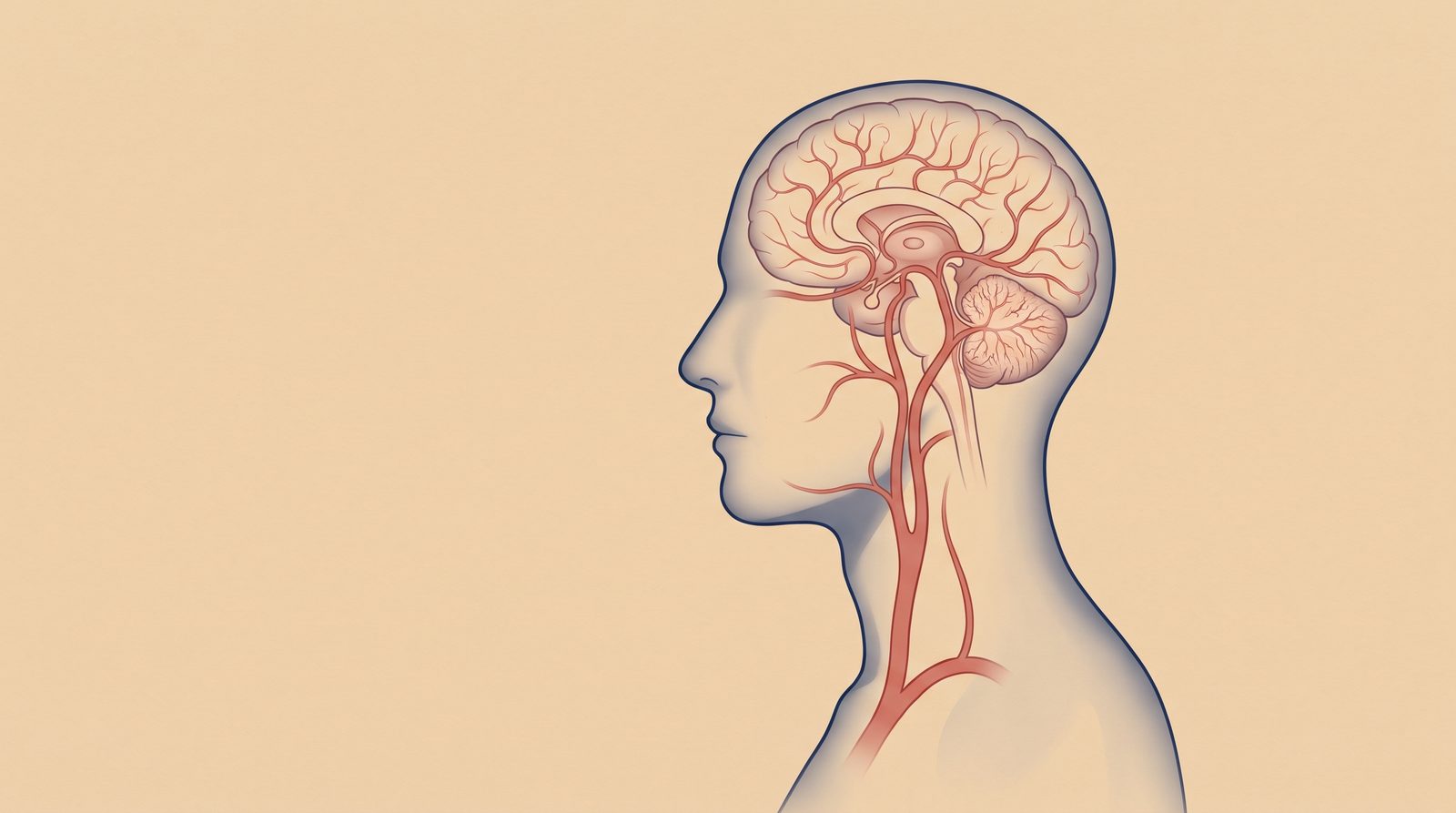
Brain chemistry changes after an injury. Research now shows that many people develop depression and anxiety after being injured, driven by neurochemical shifts in the brain.
Why does insulin resistance develop?
Inactivity makes patients insulin resistant and very sensitive to blood sugar spikes. Dr. Kharrazian calls it the worst possible time to start eating a lot of sugar and sweet foods.
Where does the inflammation come from?
Lack of movement and muscle contraction sets off an inflammatory response, mainly through adipokines released from body fat.
Insulin resistance, chronic inflammation and dysbiosis then feed one another. Combined, they create the network that drives chronic disease.
How do you protect the injured patient?
Find any way to get some movement in. It affects the patient's general health, not only their recovery from the injury.
When the patient truly can't move, isometric contractions still help. Contracting muscles releases myokines, which counter the inflammatory response that sedentary periods set off. Pair that with limited sugar and support for the microbiome.
To see how Dr. Kharrazian teaches musculoskeletal and chronic disease assessment, watch the first module of any Kharrazian Institute course free for seven days. Start the 7-day free trial.
Frequently asked questions
Is there such a thing as too much activity during recovery?
Yes. Dr. Kharrazian describes a U-shaped relationship: too little activity raises risk, moderate activity lowers it, and overtraining raises it again.
What should you ask about in the history?
Any injury or period when the patient couldn't move, and whether their health changed after it. Lining up the injury with the start of the decline often explains the case.
Why does high blood sugar matter for joints and tissue after an injury?
Dr. Kharrazian teaches that elevated HbA1c and the glycation behind it can damage musculoskeletal structures, organs and blood vessels, which compounds the injury.
Learn more from Dr. Kharrazian
This article is adapted from Clinical Pearl #126 by Dr. Kharrazian, Harvard Medical School-trained researcher and clinician. His Joint and Bone course goes deeper into degenerative joint conditions and the clinical strategies for managing them, and counts toward the Kharrazian Institute's advanced functional medicine certification.
The 7-day free trial includes the first module of every course. No credit card is required.
ENROLL NOW FOR YOUR 7-DAY FREE TRIAL
For more on injury and chronic disease, read functional medicine for bone and joint conditions, traumatic brain injury and chronic pain syndromes, and what you need to know about musculoskeletal health.