Homocysteine is usually read only as a cardiovascular risk marker. Datis Kharrazian, PhD, DHSc, DC, MS, MMSc, FACN, reads an elevated level as evidence that methylation is impaired throughout the body, which affects brain chemistry, hormones and detoxification. His clinical strategy is to support methylation with the relevant B vitamins and related nutrients, then recheck homocysteine and adjust, because each patient responds differently.
A homocysteine result is a methylation test hiding on a cardiovascular panel. When it is high, one-carbon transfer is failing far beyond the blood vessels.
Why homocysteine is read too narrowly
In conventional care, homocysteine is mostly used to gauge cardiovascular risk, and that use is valid.
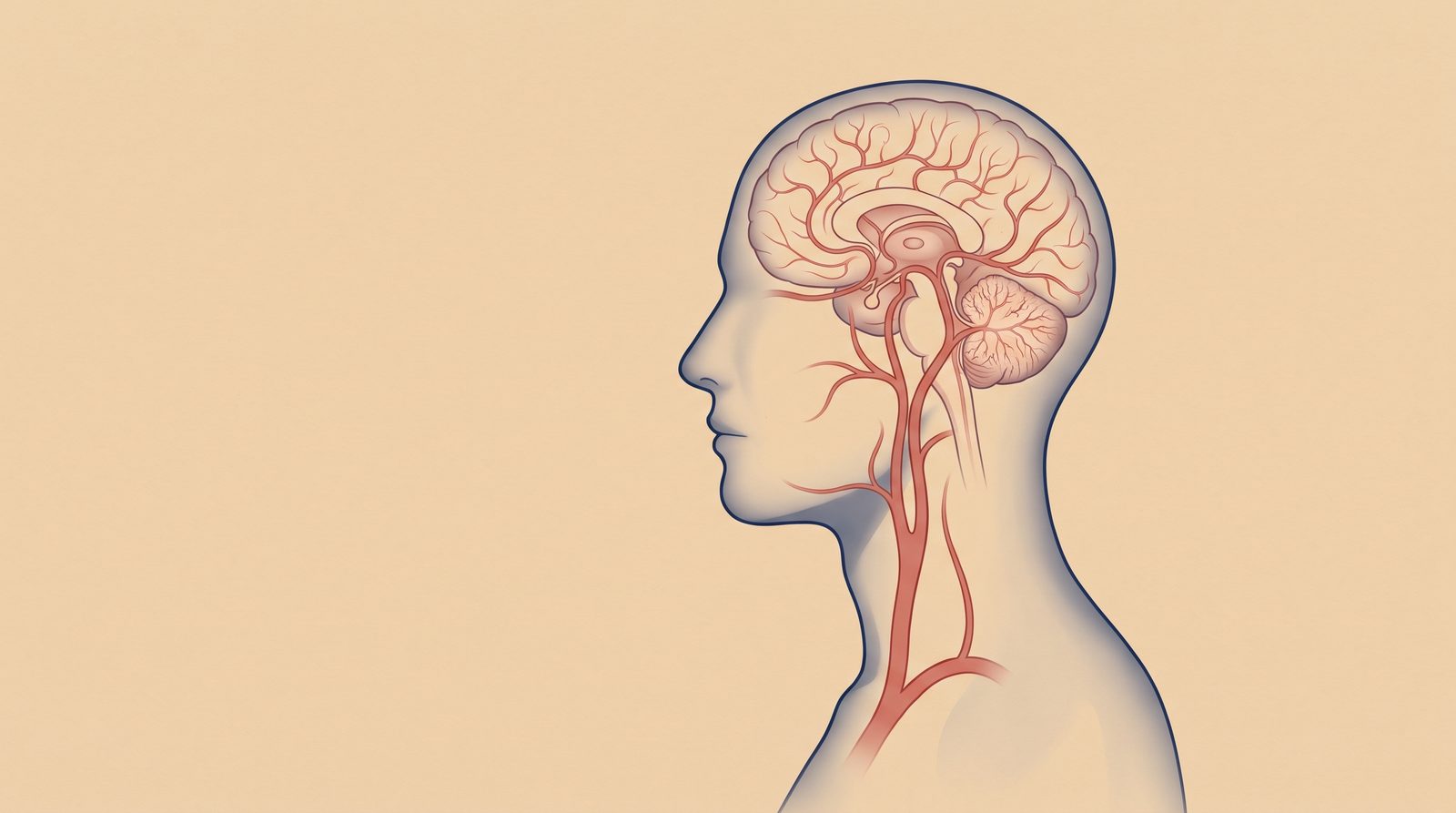
Homocysteine is an inflammatory amino acid that damages blood vessels. Higher levels raise the risk of stroke and impaired cognitive function. They also track with vascular dementia, as the brain's blood vessels are injured.
Stopping there misses what the number says about the rest of the body.
What does elevated homocysteine mean?
It means the patient isn't methylating well. Methylation is the transfer of one-carbon groups.
When a one-carbon group is transferred to homocysteine, it is converted into a far less inflammatory compound. A high level shows that this conversion, and methylation pathways throughout the body, are impaired.
Why does impaired methylation matter?
One-carbon transfer has wide-reaching effects. It runs through neurochemical pathways, endocrine and metabolic pathways, hormone pathways, and the body's ability to detoxify certain chemical compounds.
When methylation is impaired, the result can be a whole host of symptoms across those systems.
How to lower homocysteine
The key nutrients are methylfolate and other active folate forms, vitamin B12, vitamin B2, vitamin B3, vitamin B6 and trimethylglycine.
There is no universal protocol. Each patient responds to different amounts, so Dr. Kharrazian monitors homocysteine and adjusts the nutrients through trial and error until the level comes down.
To see how Dr. Kharrazian teaches lab interpretation, watch the first module of any Kharrazian Institute course free for seven days. Start the 7-day free trial.
Frequently asked questions
Is homocysteine still useful for cardiovascular risk?
Yes. It is a good marker for blood vessel inflammation and cardiovascular risk. The point is to read it as a methylation marker as well.
What else does elevated homocysteine damage?
Beyond blood vessels, it can damage neurons and the nephrons of the kidney.
Why does methylation matter for the brain?
Methylation is needed to produce myelin and to run neurotransmitter pathways. Impaired methylation can show up as neurological and mood symptoms.
What does a very high homocysteine suggest?
Extremely high levels suggest a genetic cause and call for further investigation.
Learn more from Dr. Kharrazian
This article is adapted from Clinical Pearl #18 by Dr. Kharrazian, Harvard Medical School-trained researcher and clinician. His Cardiovascular course goes deeper into cardiovascular risk and the clinical strategies for managing it, and is one of the six courses in the Kharrazian Institute's 68-hour functional medicine certification.
The 7-day free trial includes the first module of every course. No credit card is required.
ENROLL NOW FOR YOUR 7-DAY FREE TRIAL
For more on cardiovascular and brain risk, read preventive cardiology and heart attack prevention, neuroinflammation, dementia and the blood-brain barrier, and cognitive decline differential diagnosis beyond Alzheimer's.