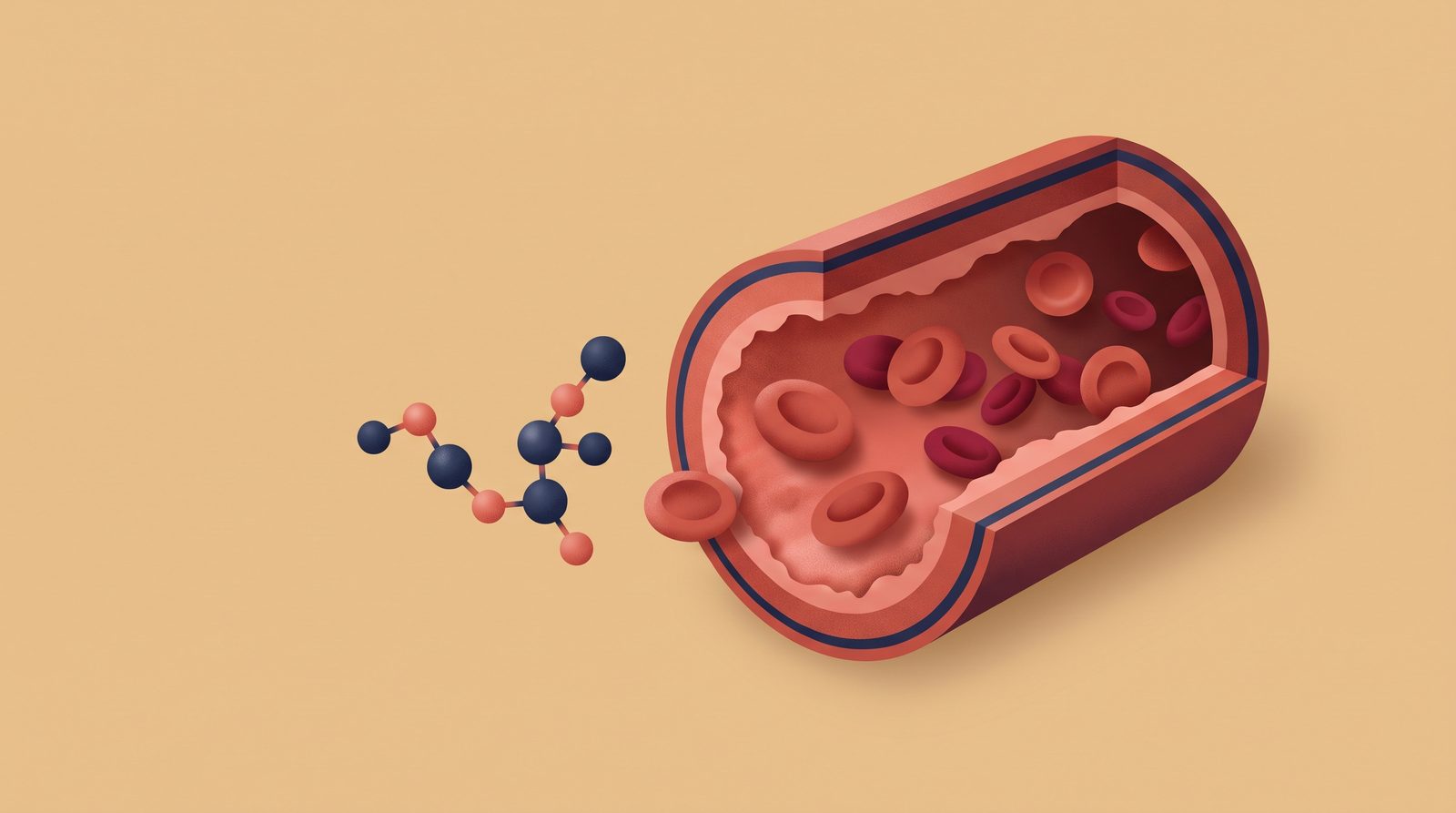
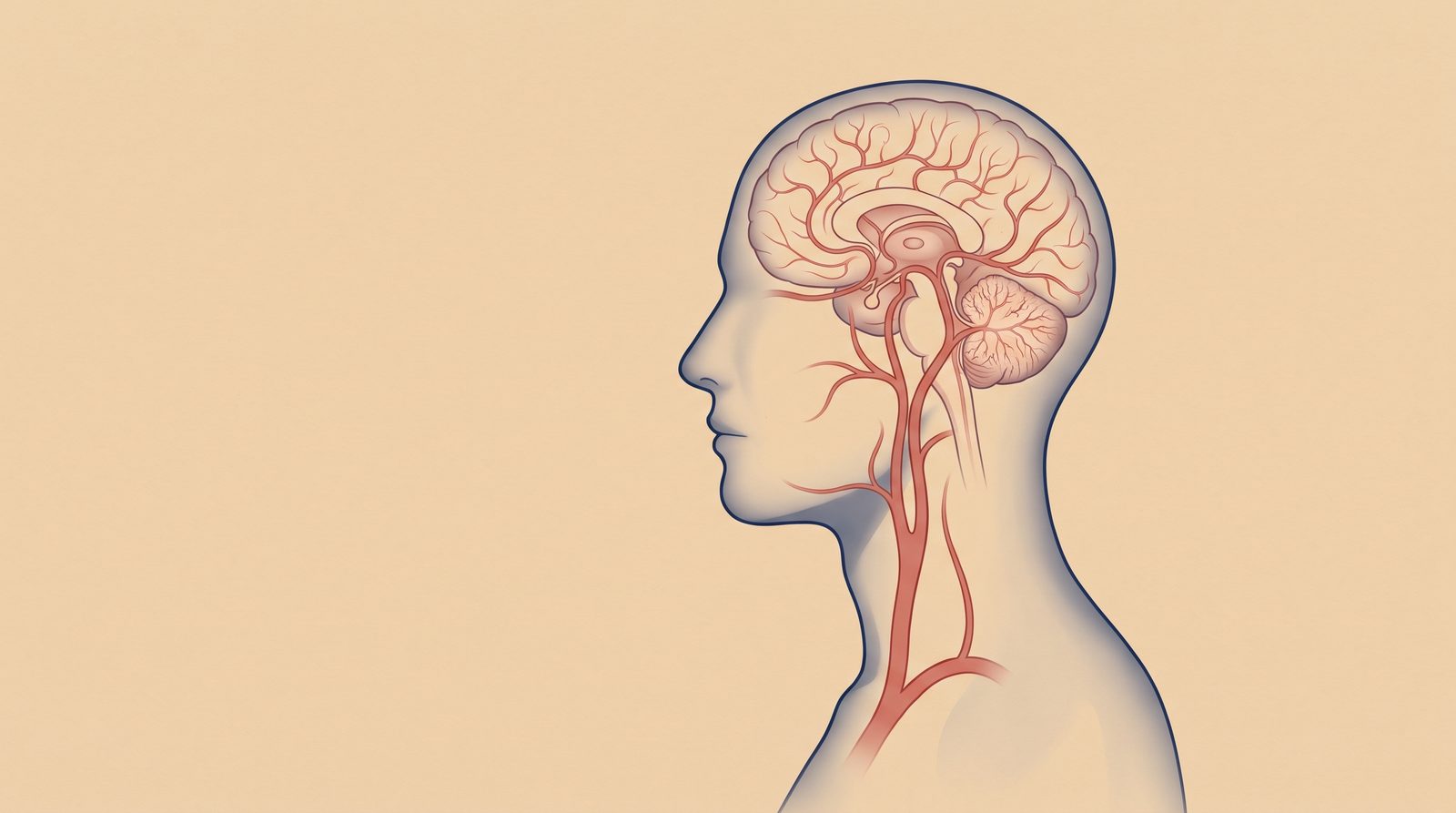
Patients who don't follow through on treatment are often written off as unmotivated. Compliance is a brain function. Planning, organizing and following through are executive functions of the frontal lobe, and brain injury, neuroinflammation or adult ADHD can impair them. The clinical strategy of Datis Kharrazian, PhD, DHSc, DC, MS, MMSc, FACN, is to assess executive function early and, when it is impaired, make restoring brain health the first phase of care.
How many of your new patients arrive with a list of capable practitioners and sound protocols they never finished? Each one is showing you a frontal lobe pattern. Without addressing it, you are likely to become the next name on that list.
Why noncompliance gets misread
The intake form shows a strong list of previous practitioners who made good recommendations. As the history unfolds, it becomes clear the patient started each plan, didn't follow through, gave up and moved on.
The same story repeats with every new practitioner, so it looks like a motivation problem. Dr. Kharrazian treats it as a frontal lobe problem.
What does compliance have to do with the frontal lobe?
The frontal lobe handles planning, organizing and following through. It also has to sustain those functions repeatedly, through the week and through the month.
A treatment plan depends on all of them. When they are impaired, even the most effective plan won't be carried out.
How to assess executive function in the history
Ask about the patient's general executive function before building the plan:
- Do they start tasks?
- Do they finish them?
- How is their planning?
- How well do they organize their day and week?
If these are a struggle, expect compliance to be a struggle too.
What impairs executive function?
A traumatic brain injury is a common cause. The patient may have hit their head and lost consciousness in a car accident. Five or six years later, their executive functions are compromised.
Ongoing neuroinflammation is another. As it flares, the frontal lobe loses its ability to integrate and fire, and executive function drops.
Adult ADHD is a third. In some patients the frontal lobe never fully developed, so it is always prone to fatigue.
What to do first
Look at the patient's brain health, look for patterns of brain injury and neuroinflammation, and monitor executive function over time.
In Dr. Kharrazian's approach, the first phase of case management may focus entirely on restoring executive function and brain health. The rest of the protocol has a better chance once the patient can carry it out.
To see how Dr. Kharrazian teaches brain-based assessment, watch the first module of any Kharrazian Institute course free for seven days. Start the 7-day free trial.
Frequently asked questions
Is noncompliance a red flag for brain injury?
It can be. Ask about past head injuries, including ones years ago that involved a loss of consciousness, even if the patient doesn't connect them to current symptoms.
Can depression affect compliance?
Yes. Depression lowers motivation and energy, and it can worsen executive dysfunction. Neurodegenerative conditions such as Parkinson's disease and dementia can also erode executive function over time.
Can executive function be rehabilitated?
Executive function can be supported with targeted brain rehabilitation and by addressing what is driving it down, such as neuroinflammation.
What is the red flag pattern in the history?
A patient who has received good treatment plans from several practitioners, yet each case failed because the plan wasn't followed through.
Learn more from Dr. Kharrazian
This article is adapted from Clinical Pearl #8 by Dr. Kharrazian, Harvard Medical School-trained researcher and clinician. His Neuroinflammation course goes deeper into brain inflammation and the clinical strategies for managing it, and counts toward the Kharrazian Institute's advanced functional medicine certification.
The 7-day free trial includes the first module of every course. No credit card is required.
ENROLL NOW FOR YOUR 7-DAY FREE TRIAL
For more on brain health and assessment, read traumatic brain injury and chronic pain syndromes, neuroinflammation assessment strategies for practitioners, and why brain fog is a red flag symptom.