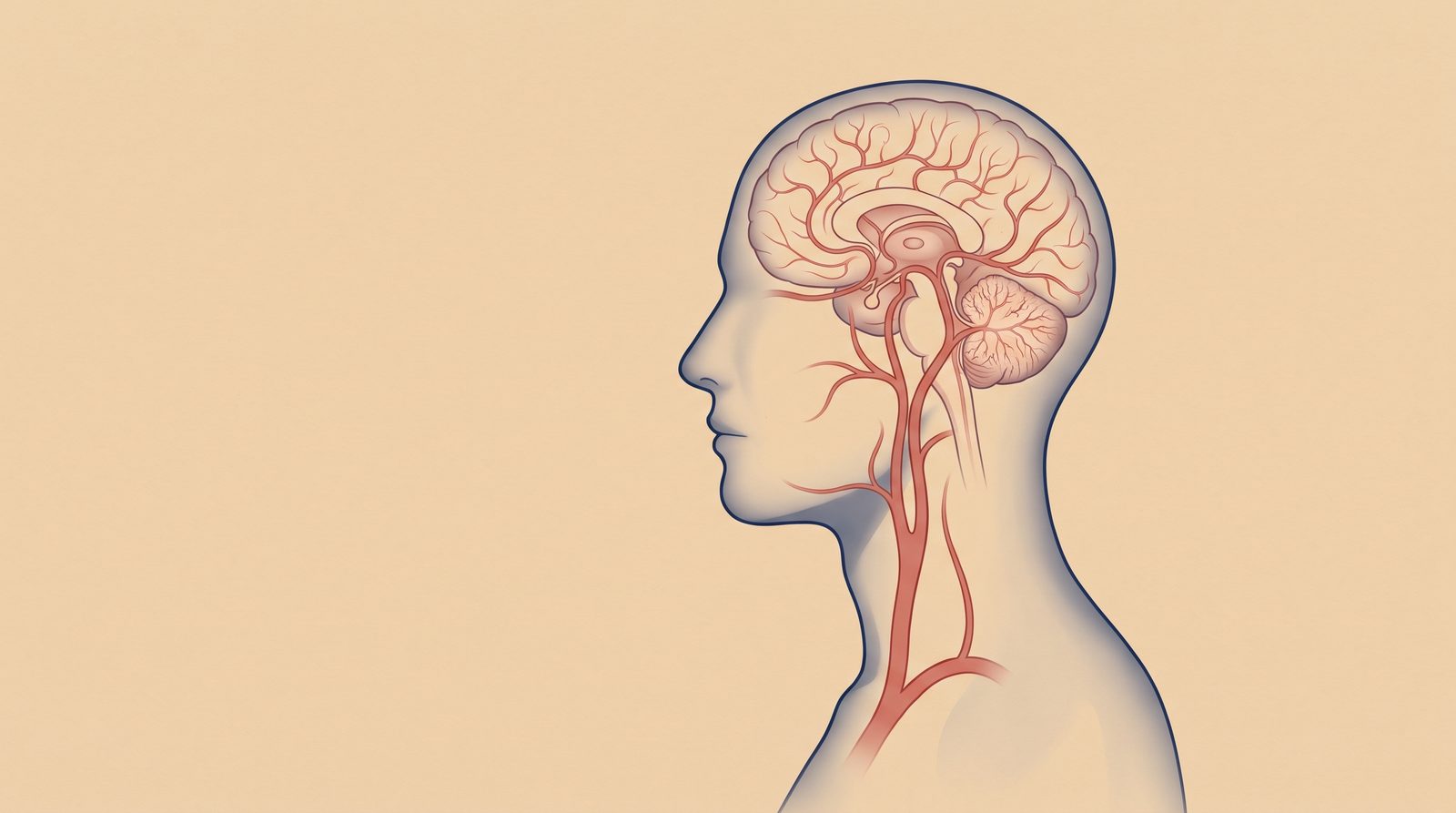
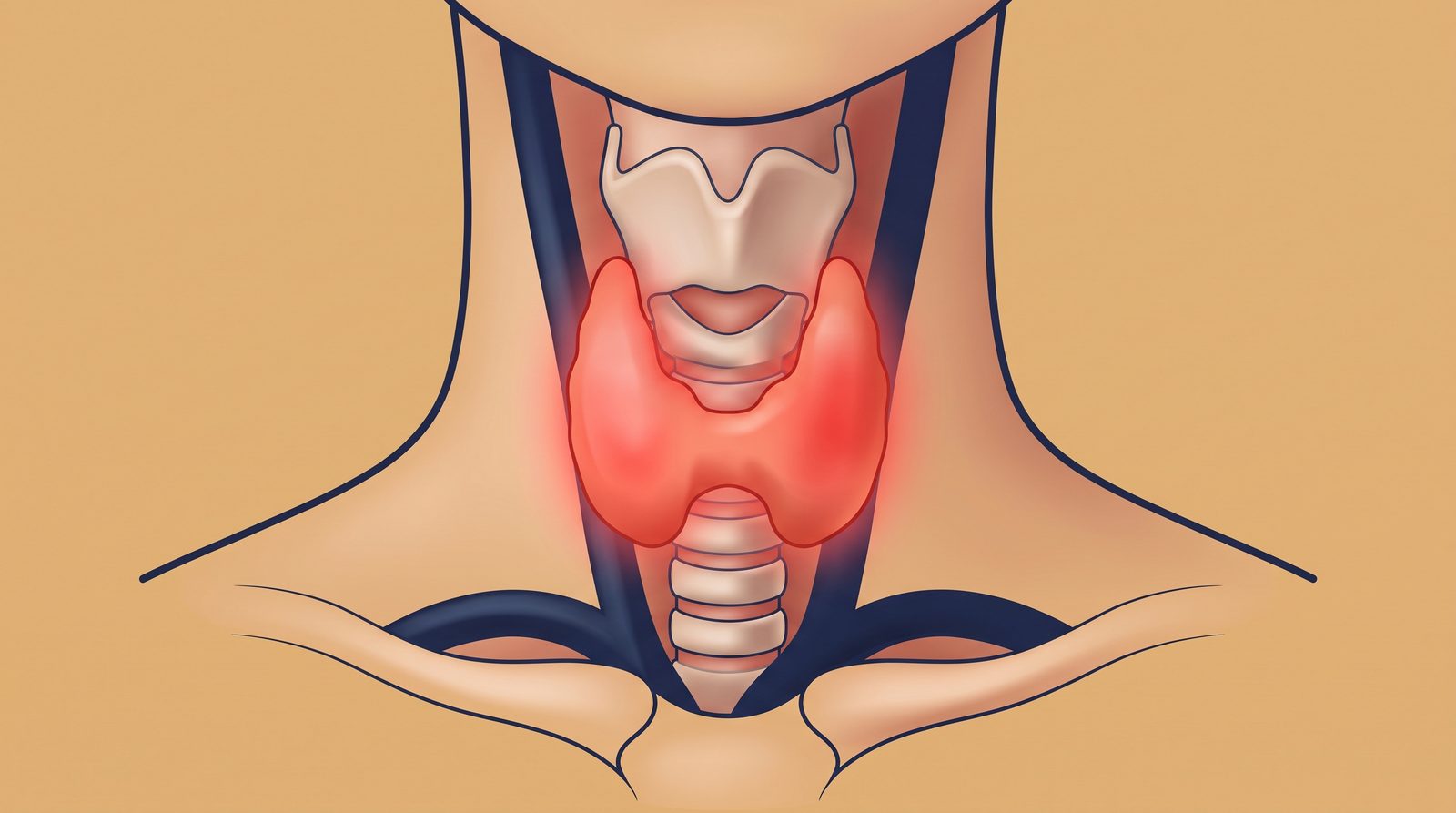
Fatigue is usually treated as an energy problem with adrenal or mitochondrial support. Datis Kharrazian, PhD, DHSc, DC, MS, MMSc, FACN, separates three types: cellular fatigue from conditions like anemia or hypothyroidism, blood sugar fatigue after meals, and brain-based fatigue triggered by specific stimuli. Brain-based fatigue doesn't respond to energy support. The stimulus that triggers it points to the brain region involved.
A woman in her forties says she is exhausted all the time. Her thyroid and iron studies are normal, and adrenal support hasn't helped. Asked when the fatigue hits, she describes the grocery store, where the lights and crowds leave her needing to sit down. She usually has a headache before she reaches the checkout.
Why fatigue workups miss the brain
Fatigue workups look at blood counts, thyroid and adrenal function. When those don't explain it, the patient often gets more supplements aimed at energy production.
Patients with brain-based fatigue usually don't know what is setting it off. The answer only comes out when the practitioner asks what situations bring it on.
What are the three types of fatigue?
Cellular fatigue comes from a metabolic cause. A patient with anemia can't carry enough oxygen to feed the mitochondria, and a patient with hypothyroidism lacks the hormones that set the metabolic rate.
Blood sugar fatigue shows up only after meals, and these are typically the insulin resistance patients.
Brain-based fatigue is triggered by stimuli. The patient gets tired in response to a specific kind of input, not because of a meal or a lab abnormality.
What does brain-based fatigue look like?
A crowded environment wears the patient out, and they need to sit down. They may get headaches or tinnitus.
For one patient the trigger is driving on a winding road. For another it is flashing lights, or a room with a busy carpet pattern that leaves them nauseous and tired.
Why does the brain fatigue?
Every region of the brain has a certain amount of endurance. Anyone will tire with enough stimulus over a long enough time. If a group of people read for hours, some will fatigue in half an hour while others last two or three hours.
People with unhealthy brains, brain injury or early neurodegeneration fatigue far sooner than normal.
How does the trigger point to the brain region?
The stimulus that brings on fatigue points to the brain area that is injured or degenerating:
- Sounds point to the temporal lobe
- Flashing lights and visual input point to the occipital lobe
- Motion and movement point to the cerebellum
- Cognitive tasks and reasoning point to the frontal lobe
How to treat brain-based fatigue
These patients won't improve with adrenal support or mitochondrial nutraceuticals. They need their brain health restored, with strategies that build neuroplasticity and neurological endurance, along with diet changes and nutraceuticals that support the brain.
To see how Dr. Kharrazian teaches brain-based assessment, watch the first module of any Kharrazian Institute course free for seven days. Start the 7-day free trial.
Frequently asked questions
What questions uncover brain-based fatigue?
Ask what brings the fatigue on. Sustained concentration, reading, crowds, bright lights and driving are common triggers patients don't connect to their tiredness until asked.
Can brain-based fatigue be an early sign of neurodegeneration?
Yes. Fatigue that comes on far sooner than normal can be one of the early signs that the brain is degenerating.
Is there a screening tool for these patients?
The Montreal Cognitive Assessment is one screening tool Dr. Kharrazian uses alongside the history.
Learn more from Dr. Kharrazian
This article is adapted from Clinical Pearl #16 by Dr. Kharrazian, Harvard Medical School-trained researcher and clinician. His Chronic Fatigue course goes deeper into the causes of fatigue and the clinical strategies for sorting them out, and is one of the six courses in the Kharrazian Institute's 68-hour functional medicine certification.
The 7-day free trial includes the first module of every course. No credit card is required.
ENROLL NOW FOR YOUR 7-DAY FREE TRIAL
For more on fatigue and brain health, read common clinical mistakes in chronic fatigue, why brain fog is a red flag symptom, and neuroinflammation assessment strategies for practitioners.