Porphyromonas gingivalis, which causes gum disease, and H. pylori are persistent, low-grade infections that keep amplifying chronic inflammation. Both are linked to cardiovascular disease and to worsening autoimmunity, and neither raises the white count. The clinical strategy of Datis Kharrazian, PhD, DHSc, DC, MS, MMSc, FACN, is to check every chronically inflamed patient's gums and stomach history, test for H. pylori, and eradicate what's found.
When did you last look at the gums of a chronically inflamed patient? Gum disease and H. pylori can feed inflammation for years without raising a white count.
Why these infections go undiagnosed
They are quiet. Unlike an active viral infection, gum disease and H. pylori don't usually push the total white blood cell count up. They simply persist, subtly, in the background.
Patients can carry them for years or even decades without a diagnosis, while the practitioner works on every other source of their inflammation.
How do these bacteria drive chronic disease?
Both are strongly linked to cardiovascular disease, and the research on gum disease is extensive. H. pylori appears to affect the lining of blood vessels throughout the body and contribute to atherosclerosis.
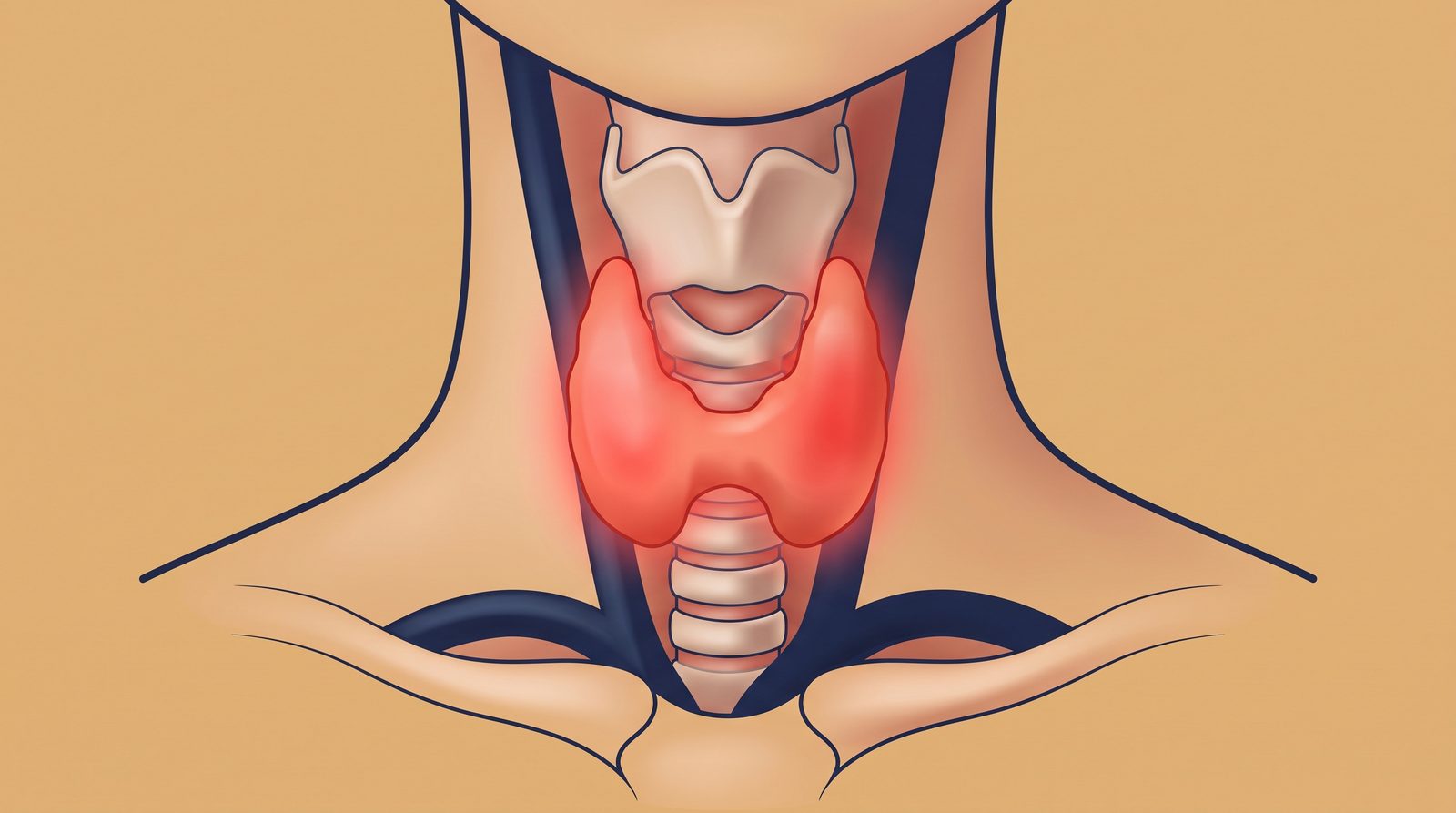
They also amplify inflammation that is already present for other reasons. In a patient with autoimmune disease, that added inflammation can make the disease worse. P. gingivalis has been shown to do this in rheumatoid arthritis, and persistent H. pylori infection has been shown to worsen autoimmune thyroiditis.
What are the signs of gum disease?
Look in the patient's mouth as part of the exam:
- Swollen or red gums
- Significant bad breath
- Visible white gaps between the teeth and gums
- Heavy tartar buildup, where these bacteria live
- A long gap since their last dental cleaning
Any of these is a reason to suspect periodontal disease and send the patient for dental care.
What are the red flags for H. pylori?
A patient who needs acid-blocking medication, has a history of reflux, complains of a constant burning stomach or keeps taking antacids. Ask whether they have ever been tested for H. pylori. Usually they haven't.
How do you test for and treat H. pylori?
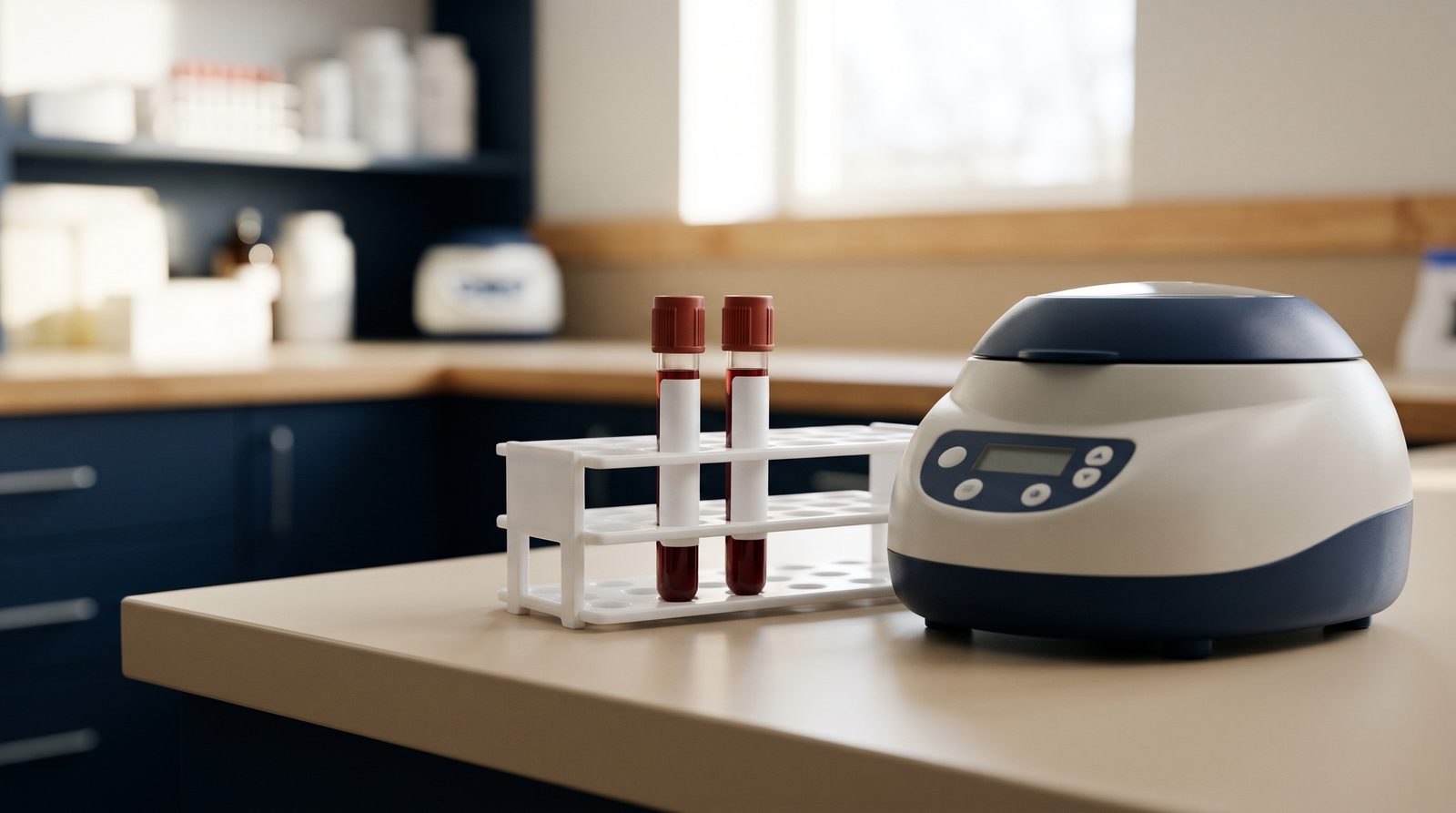
A breath test or a stool antigen test can identify it. Once it's found, the bacteria can be eradicated, which can have a large effect on the patient's total inflammatory load.
To see how Dr. Kharrazian teaches chronic infection assessment, watch the first module of any Kharrazian Institute course free for seven days. Start the 7-day free trial.
Frequently asked questions
Which autoimmune diseases are linked to H. pylori?
Dr. Kharrazian's courses link it to Hashimoto's thyroiditis, Sjögren's syndrome, lupus, ulcerative colitis and Crohn's disease. Molecular mimicry, where the immune response to the bacteria cross-reacts with the body's own tissue, is one proposed mechanism.
Can H. pylori affect gut barrier function?
Yes. It can contribute to intestinal permeability, which lets antigens reach the bloodstream and can feed autoimmune reactions.
Does eradicating H. pylori help outside the stomach?
Dr. Kharrazian's materials describe improvements in asthma and blood sugar regulation after eradication.
Learn more from Dr. Kharrazian
This article is adapted from Clinical Pearl #128 by Dr. Kharrazian, Harvard Medical School-trained researcher and clinician. His Chronic Infections course goes deeper into persistent infections and the clinical strategies for identifying and managing them, and counts toward the Kharrazian Institute's advanced functional medicine certification.
The 7-day free trial includes the first module of every course. No credit card is required.
ENROLL NOW FOR YOUR 7-DAY FREE TRIAL
For more on infections and inflammation, read heartburn and H. pylori, how chronic infections drive autoimmune disease, and preventive cardiology.