
Kharrazian Institute Articles

Personalized Autoimmune Treatment Protocols for Practitioners
Most autoimmune patients arrive at a functional medicine clinic carrying the same thing: a diagnosis, a suppressive medication, and a list of symptoms that medication isn’t touching. The practitioner who treats the diagnosis will get the same result the prescribing…

The Truth About Menopausal Hormone Therapy and Heart Health
In 2002, researchers published the results of the Women’s Health Initiative, a massive clinical trial designed to investigate the effects of menopausal hormone therapy (MHT) on postmenopausal women. The study claimed that hormone replacement therapy significantly…

Root Cause Analysis in Functional Medicine Practice
Most chronic disease patients arrive at a functional medicine office having already seen multiple specialists. Each specialist found something. Each one treated it. None of it resolved the underlying problem. This is not a failure of the individual clinician — it is a…
Functional Medicine Autoimmune Triggers: Clinical Assessment
Most practitioners treating autoimmune patients are managing the immune attack. Fewer are asking what started it. That distinction is the clinical divide between patients who stabilize and patients who cycle through flares indefinitely. The Kharrazian Institute’s…

Advanced Laboratory Testing Strategies for Hashimoto’s Diagnosis
Most practitioners order TSH and call it a day. When it comes back normal, the patient is told their thyroid is fine — even when they have every clinical sign of Hashimoto’s thyroiditis. The problem is not that the test is wrong. The problem is that TSH alone cannot…

Preventive Cardiology: How to Keep Heart Attacks at Bay
During a 2012 urgent care meet-and-greet, a woman visited Randy Vawdrey, NP-C, complaining of heartburn-like symptoms. Because she didn’t have insurance at the time, she couldn’t pay for expensive testing (such as an EKG). After going through a list of standard…

Evidence-Based Nutritional Protocols for Hashimoto’s Treatment
Most practitioners treating Hashimoto’s thyroiditis are still ordering thyroid panels and adjusting medication while leaving the autoimmune process itself completely unaddressed. The TSH normalizes. The patient still feels terrible. The reason is that thyroid hormone…

How to Help Your Post-Menopausal Patients Struggling with GSM
Menopause affects every woman on the planet, yet appropriate care for menopause remains lacking for most patients. Certain symptoms of menopause, for example, routinely go ignored and untreated. Genitourinary syndrome of menopause (GSM) is an unfortunate example of…
How to Treat Menopause the Right Way
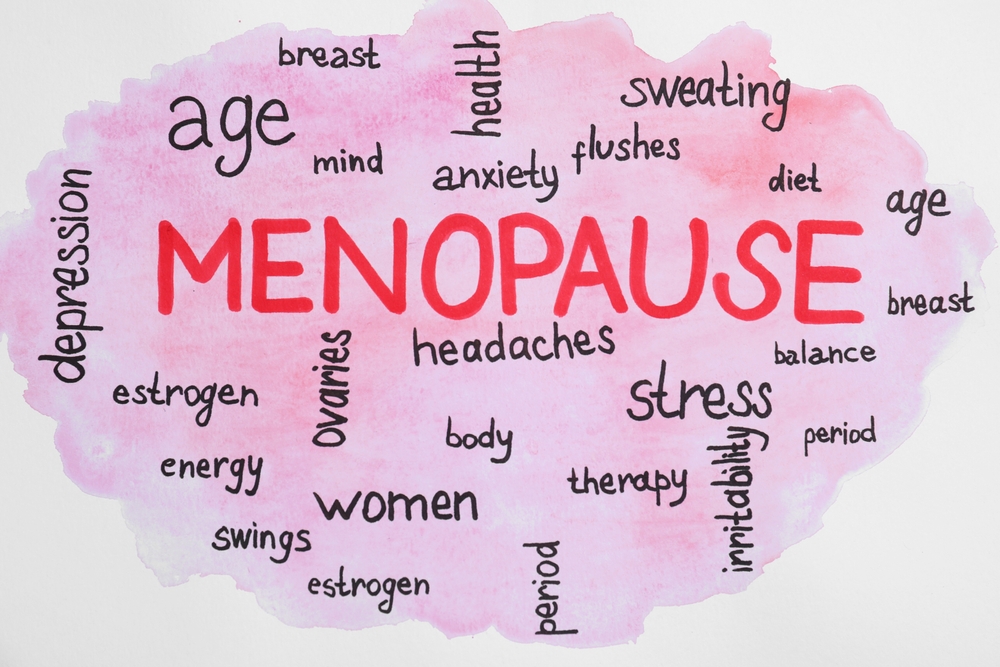
Menopause is something literally every woman will experience in her lifetime, yet it is still too often misunderstood in the clinical setting. Doctors tend to default to viewing menopause either as a series of unrelated conditions or a trivial symptom of aging, when…

Three Simple Ways to Lay the Foundation of Good Health
“These days, the patients entering our practices are sicker and sicker. They are no longer just coming in with bloating or a little insomnia. Instead, they are coming in disabled, in wheelchairs, and unable to work, and it just keeps getting worse.” These words were…

Is Targeted Peptide Therapy the Next Big Thing in Longevity?
A hundred years ago, fewer than one in 20 Americans were over 65. Today, that number is one in six. This is a massive shift, essentially a “graying” of the nation, and it comes with unfortunate realities. For example, two out of every three people over 65 will require…

How to Detect Hidden Signs of Malnutrition
Those of us who live in first-world countries rarely think of malnutrition as a condition that affects us. Yet you might be surprised to learn that it is rampant in hospitals, with between 20 and 50 percent of patients being malnourished upon admission. And for those…