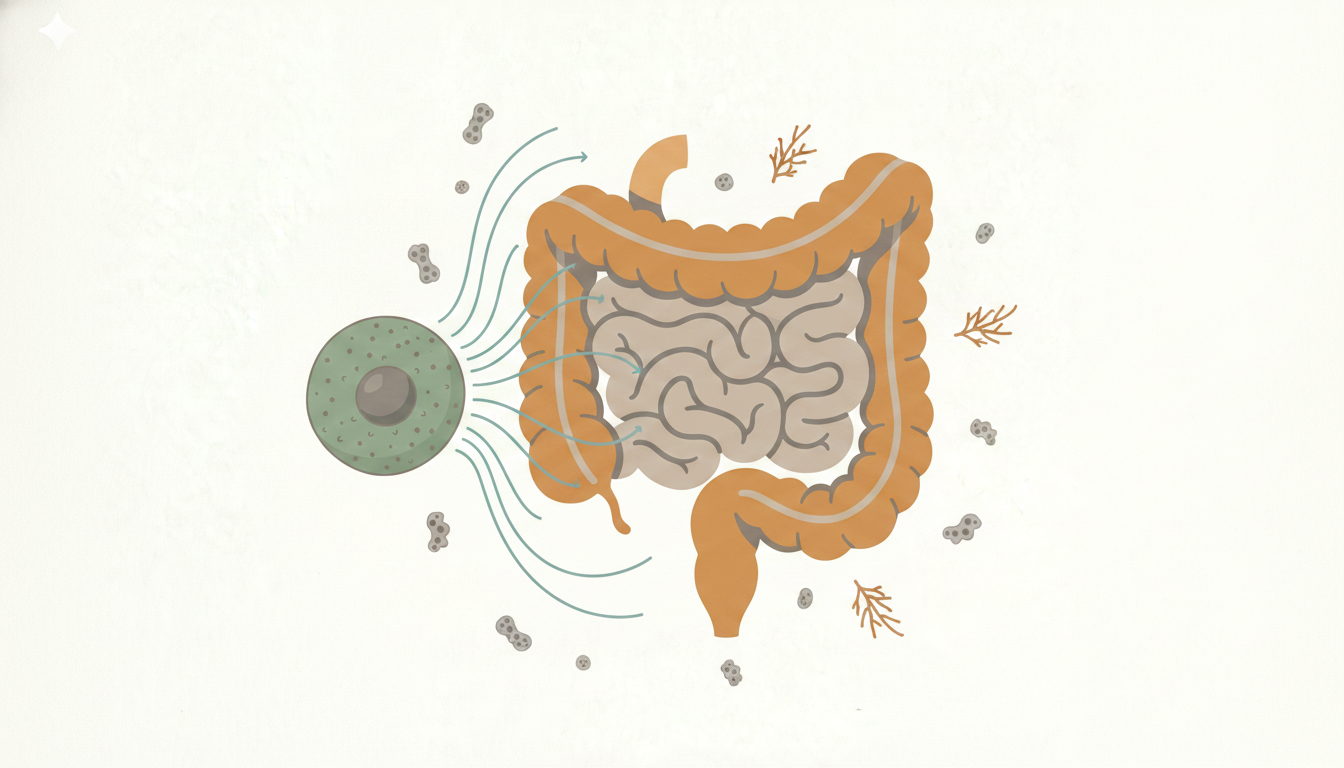
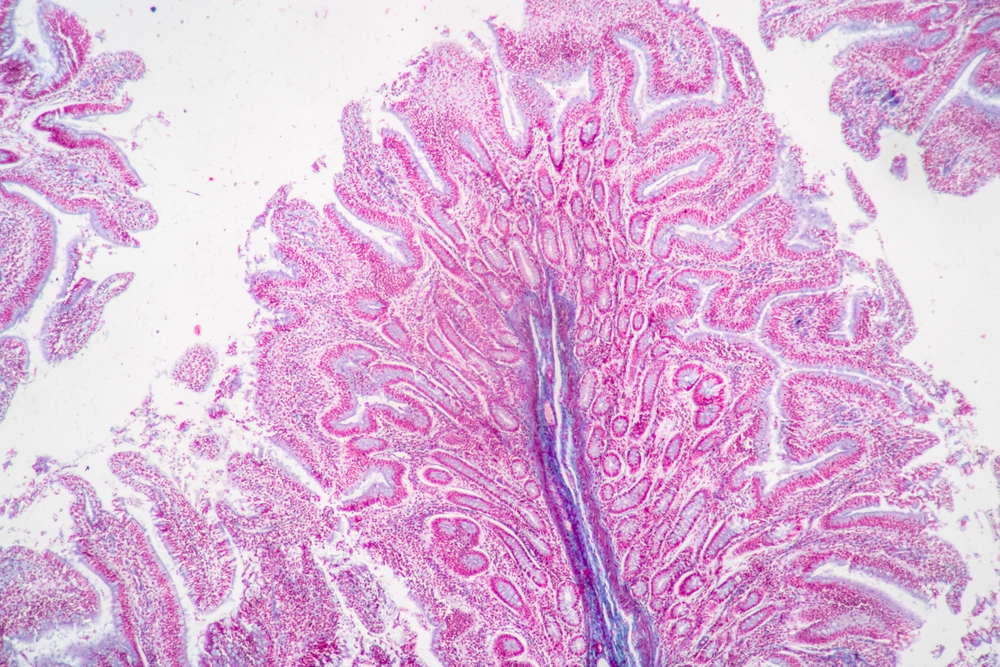
Intestinal permeability protocols built around L-glutamine, zinc carnosine, and elimination diets are not wrong. They are simply incomplete when the patient in front of you has an active autoimmune condition. The practitioner who applies the same gut-repair sequence to a Hashimoto's thyroiditis patient as to a patient with garden-variety dysbiosis will see something predictable: initial improvement, then plateau, then backslide. The clinical teaching at the Kharrazian Institute addresses exactly this gap. Dr. Datis Kharrazian has identified that in autoimmune patients, intestinal permeability is rarely the root problem — it is a consequence of immune dysregulation that the protocol never touched.
Understanding why standard gut-healing protocols fail requires understanding what those protocols are actually designed to do, and where the autoimmune patient's physiology diverges from their intended target.
Intestinal Permeability in Autoimmune Patients Is a Downstream Event
Standard gut-healing protocols assume a relatively intact immune system operating in a dysregulated mucosal environment. The approach makes sense in that context: remove the irritants, supply the repair nutrients, restore the barrier. In autoimmune patients, this assumption does not hold.
Immunology research demonstrates that autoimmune conditions involve a loss of self-tolerance — the immune system has begun targeting host tissue. When this process is active, the immune environment of the gut is already compromised at the level of secretory IgA production, T-regulatory cell function, and Th17/Treg balance. Providing zinc carnosine and a bone broth protocol to a gut operating inside that immune environment is like repainting a wall that is structurally compromised. The surface may briefly improve. The wall will crack again.
Dr. Kharrazian's clinical training teaches practitioners to identify whether their patient's intestinal permeability is primary (the gut barrier failed first and drove the immune response) or secondary (the autoimmune process drove the immune dysregulation that then destroyed the barrier). The clinical sequence matters because it determines the sequence of intervention. Treating secondary intestinal permeability with barrier-repair nutrients before addressing the immune dysregulation producing it is treating the wrong end of the problem.
Why the Immune System Overrides Standard Gut Repair Nutrients
L-glutamine is the preferred fuel source for enterocytes. It supports tight junction integrity and mucosal repair. This is well-established. What is less discussed clinically is that a chronically activated Th17 immune environment — common in autoimmune conditions — produces IL-17 and IL-22 cytokines that directly disrupt tight junction proteins, including claudin and occludin.
Research in mucosal immunology shows that cytokine-mediated tight junction disruption is an active process, not a passive deterioration. No amount of glutamine supplementation overcomes active cytokine assault on the mucosal barrier. The practitioner is supplying building material to a construction site where demolition is still ongoing.
The clinical implication: before gut-repair nutrients are likely to hold, cytokine-driven intestinal permeability requires immune modulation first. This is a sequencing issue, not a nutrient selection issue. The practitioner who switches from L-glutamine to deglycyrrhizinated licorice to colostrum without seeing improvement may keep assuming the wrong supplement rather than recognizing that the immune environment needs to be addressed before the barrier can respond to repair support.
Molecular Mimicry and Why Food Antigens Behave Differently in Autoimmune Patients
Elimination diets are a legitimate clinical tool. In autoimmune patients, their application requires a more granular thought process than a standard six-week elimination.
Research in autoimmunity demonstrates that molecular mimicry — the structural similarity between dietary proteins and host tissue antigens — means that certain foods can perpetuate autoimmune tissue damage independent of their effect on intestinal permeability. Gliadin peptides, for example, share structural homology with thyroid tissue. In a patient with Hashimoto's thyroiditis, ongoing gluten exposure does not just irritate the gut — it may directly amplify immune reactivity toward thyroid tissue through cross-reactive antibody production.
A standard elimination diet removes common inflammatory foods for six to eight weeks and then reintroduces. This timeline is calibrated for patients whose immune responses resolve when the antigen is removed. In autoimmune patients, the antibody-mediated immune response has a longer half-life, and cross-reactive antigens can maintain immune activation even after the primary trigger is removed. Dr. Kharrazian's coursework teaches practitioners to account for molecular mimicry when building elimination protocols for autoimmune patients — including cross-reactive foods beyond gluten that may sustain autoimmune reactivity through structural homology.
How Systemic Inflammation Blocks Mucosal Healing
Mucosal healing depends on adequate tissue perfusion, nutrient delivery, and a regulatory immune environment that permits repair. Active systemic inflammation impairs all three.
In autoimmune patients, elevated inflammatory cytokines (particularly TNF-alpha and IL-6) reduce mucosal blood flow, impair epithelial cell turnover, and shift the immune environment away from the Treg-dominant state required for tissue repair. Research in gastroenterology and immunology consistently shows that mucosal healing rates correlate with systemic inflammatory burden. A patient with active autoimmune disease carries systemic inflammatory load that the gut-healing protocol was never designed to address.
This is where the broader systems perspective becomes clinically essential. If the autoimmune patient also has unmanaged blood sugar dysregulation, active HPA axis dysfunction, or unaddressed environmental antigen exposure, each of these sustains systemic inflammation independently. The gut protocol produces no lasting result because the inflammatory environment regenerates between visits. The practitioner keeps treating the gut. The systemic drivers keep resetting the gut environment.
What Needs to Come Before Gut Repair in Autoimmune Cases
Clinical strategies that produce durable outcomes in autoimmune gut cases share a common sequence: identify and reduce the primary immune trigger before attempting mucosal repair.
In practice, this means the initial evaluation must determine which immune system compartment is dysregulated. Th1 dominance, Th2 dominance, and Th17 dominance each produce different mucosal environments and respond to different clinical approaches. Applying the same gut-healing protocol regardless of immune phenotype is why outcomes are inconsistent across autoimmune patients, even those with the same diagnosis.
The evaluation sequence Dr. Kharrazian's training emphasizes includes: identifying the dominant immune pathway, determining whether intestinal permeability is primary or secondary, mapping cross-reactive dietary antigens specific to the patient's autoimmune target tissue, and assessing systemic inflammatory drivers beyond the gut. Mucosal repair support — barrier nutrients, prebiotics, appropriate probiotic selection — comes after this foundation is established, not before.
Probiotic selection in particular is more consequential in autoimmune patients than standard protocols reflect. Certain Lactobacillus strains upregulate Th1 activity; in a patient already in Th1 dominance, this may worsen autoimmune activation. Research in microbiome immunology has documented strain-specific immune effects that standard probiotic recommendations do not account for. The practitioner who selects probiotics by CFU count rather than by immune phenotype may be adding fuel.
Why Autoimmune Patients Require Continuous Protocol Adjustment
Autoimmune disease is not a static condition. The immune environment shifts with infectious exposures, hormonal fluctuations, stress load, and seasonal antigen variation. A protocol built for a patient's Th17-dominant phase in spring may be inappropriate when that patient presents in fall with a different immune picture following a viral infection.
Standard gut protocols are designed with a beginning, middle, and end. The patient heals the gut, restores diversity, and moves on. Autoimmune patients require periodic reassessment of their immune environment and protocol recalibration based on that reassessment. This is not a failure of the initial protocol — it is a feature of the clinical relationship required to manage autoimmune disease over time.
The Kharrazian Institute's clinical education trains practitioners to build this reassessment cadence into their autoimmune case management. Lab markers of immune activation, symptom cluster patterns, and functional assessments of barrier integrity are revisited at intervals rather than treated as one-time data points. The protocol is continuously evolving because the patient's immune environment is continuously evolving.
Key Takeaways for Practitioners
- In autoimmune patients, intestinal permeability is often secondary to immune dysregulation. Repairing the barrier before addressing the immune environment produces temporary results at best.
- Cytokine-mediated tight junction disruption is an active process. Barrier-repair nutrients cannot overcome ongoing cytokine assault from a dysregulated Th17 compartment.
- Molecular mimicry means cross-reactive dietary antigens can sustain autoimmune tissue damage independent of their effect on the gut barrier. Elimination protocols must account for cross-reactivity specific to the patient's autoimmune target tissue.
- Probiotic strain selection has immune phenotype consequences in autoimmune patients. Strains that upregulate Th1 activity are contraindicated in Th1-dominant autoimmune presentations.
- Autoimmune gut protocols require periodic immune reassessment and recalibration — they are not fixed sequences with a defined endpoint.
Frequently Asked Questions
L-glutamine supports enterocyte repair, but in autoimmune patients, active cytokine production — particularly IL-17 — directly disrupts tight junction proteins faster than barrier nutrients can restore them. The immune driver must be addressed before barrier-repair nutrients are likely to produce lasting results.
Molecular mimicry occurs when dietary proteins share structural homology with host tissue antigens. In autoimmune patients, cross-reactive foods can amplify immune reactivity toward target tissues even after the gut barrier has improved. Standard elimination diets may not remove all relevant cross-reactive antigens.
Clinical history, timing of symptom onset relative to autoimmune diagnosis, and antibody patterns can help distinguish primary from secondary intestinal permeability. Dr. Kharrazian's clinical training covers this assessment sequence in detail for autoimmune case management.
Specific probiotic strains have documented strain-level immune effects. Certain Lactobacillus strains upregulate Th1 immune activity. In patients with Th1-dominant autoimmune conditions, these strains may amplify autoimmune activation. Probiotic selection in autoimmune patients requires immune phenotyping, not just symptom matching.
Autoimmune immune environments shift with infections, hormonal changes, and stress. Protocols built for one immune phase may be inappropriate in another. Reassessment at regular clinical intervals — with updated lab markers and symptom cluster evaluation — is standard practice in evidence-based autoimmune case management.
About the Author
Dr. Datis Kharrazian, PhD, DHSc, DC, MS, MMSc, FACN is a Harvard Medical School research fellow and researcher at Massachusetts General Hospital's Department of Neurology, specializing in autoimmunity and neuroimmunology. He serves as Associate Clinical Professor at Loma Linda University School of Medicine and is the author of Why Do I Still Have Thyroid Symptoms When My Lab Tests Are Normal and Why Isn't My Brain Working. He is a Fellow of the American College of Nutrition, Diplomate of the Board of Nutrition Specialists, member of the American Association of Immunologists, and Fellow of the Royal Society of Medicine (UK). The Kharrazian Institute serves more than 5,000 physicians and healthcare providers worldwide.
Clinical Training in Autoimmune Case Management
The Kharrazian Institute offers advanced clinical education for practitioners managing autoimmune patients, including protocols for identifying immune phenotype, sequencing gut-healing interventions, and building reassessment cadence into long-term case management. Information on current courses is available at the Kharrazian Institute.