
Foundational course in the Kharrazian Institute functional medicine certification
Essentials of Functional Medicine
Learn to evaluate the physiology behind your most complex chronic patients, and know where to start.
Functional medicine is not a set of protocols. It is a diagnostic method built on human physiology, taught by Harvard-trained researcher and clinician Datis Kharrazian, PhD, DHSc, DC, MS, MMSc, FACN.
- 8 hours on demand
- 8 sessions
- For licensed and non-licensed practitioners
- Counts toward Basic and Advanced certification
★★★★★ “Immediately applicable in practice the next day.” Darla Booth, DC

In this course, you'll learn:
- How to find hidden autoimmunity in chronic patients who were never screened for it.
- How to localize a patient's neurological symptoms to a specific brain region.
- Which pattern of fatigue points to blood sugar, and which points to the mitochondria.
- Why most male hormone problems are elevated estrogen, not low testosterone.
- When detoxification helps a patient, and when it makes them worse.
Class Overview
Do you have chronic patients who follow every protocol and still don't get better?
Most have already been through conventional care that screens for late-stage disease, and alternative care that reaches for protocols before evaluating anything. Functional medicine evaluates how the patient's physiology is actually functioning, then works to restore it.
This is the foundational course in the Kharrazian Institute's functional medicine education and certification program, open to both licensed and non-licensed practitioners. It teaches the core physiological systems every chronic case runs through, and the thought process for working them up.
★★★★★
After nearly a decade in functional medicine and countless certifications, Dr. Kharrazian's program is hands down the most valuable training I've ever taken. It has given me confidence to tackle complex cases I used to refer out.
Did You Know
- Roughly 90 percent of hypothyroidism is actually Hashimoto's, an autoimmune condition. Replacing thyroid hormone never addresses the autoimmune attack, which is why so many patients stay symptomatic with normal lab values.
- The first signs of Parkinson's are chronic constipation and loss of smell, often coffee, anise, and peppermint first. The tremor is the last stage, sometimes ten to twenty years later.
- Triglycerides higher than total cholesterol on a routine panel is a strong flag for insulin resistance, well before a diabetes diagnosis appears.
- Perimenopausal hot flashes come from estrogen fluctuation, not deficiency. Estrogen is often chaotic and higher in perimenopause, and healthy adrenal glands buffer the spikes.
- A low-fat diet at 15 percent of calories dropped premenopausal estradiol about 20 percent and progesterone about 35 percent. Cholesterol under 150 is a red flag for impaired steroid hormone synthesis.
Why Physiology Matters Beyond the Chief Complaint
A small number of physiological failures sit underneath most of the chronic cases practitioners see. Once you can evaluate them, you can work with patients presenting with:
- Persistent fatigue
- Depression and anxiety
- Autoimmune disease
- Thyroid and sex hormone imbalances
- Brain fog and early cognitive decline
- Chronic digestive complaints
Correcting the physiology behind one complaint often moves several others with it.
What You'll Be Able to Do
Screen any chronic patient for hidden autoimmunity
Recognize the clinical red flags, order and interpret tissue-antibody panels, and stage the autoimmunity as silent, symptomatic, or tissue-destructive.
Localize neurological symptoms and catch early brain dysfunction
Use a structured brain localization tool to separate global metabolic deficits, focal injury, and primed microglia, and recognize pre-tremor Parkinson's and early cognitive decline.
Dissect patterns of fatigue to find the bioenergetic lesion
Differentiate dysglycemia, insulin resistance, brain-based fatigue, and mitochondrial dysfunction, and track each with objective measures.
Work up hormones by mechanism, not just level
Evaluate synthesis, transport, peripheral conversion, clearance, and receptor response, and identify Hashimoto's, aromatization, PCOS, and low free testosterone that standard panels miss.
Assess and restore gut immune tolerance
Stage intestinal permeability, apply the north-to-south digestive hierarchy, and rebuild tolerance rather than chasing the microbiome first.
Evaluate toxic burden and build a prioritized, phased plan
Weigh toxic load against the patient's resiliency, then use a tiered system to decide where to start and sequence care with scheduled reevaluation.
About the Instructor
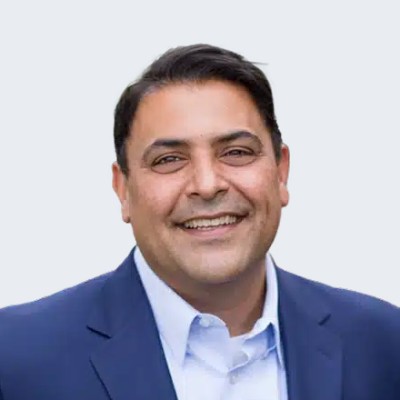
Datis Kharrazian, PhD, DHSc, DC, MS, MMSc, FACN
Dr. Kharrazian is a Harvard Medical School trained researcher, clinical research scientist, academic professor, and functional medicine health care provider. He earned a Master of Medical Science degree (MMSc) in Clinical Investigation from Harvard Medical School and is a member of the Harvard Medical Alumni Association and the American Association of Immunologists.
He is a Fellow of the American College of Nutrition. His clinical models of functional medicine are used by academic institutions and thousands of clinics worldwide.
For more than 25 years, Dr. Kharrazian has consulted with complex patients from around the world, refining the clinical sequence of thought this course teaches. He maintains a private practice near San Diego, California, focused on personalized care through diet, nutrition, and lifestyle.
Session Curriculum
Session 1: The Functional Medicine Model of Healthcare
- When the functional medicine model is the right tool, and when acute or conventional care is.
- How functional medicine differs from conventional and alternative models of care.
- Why chronic disease calls for evaluation before intervention.
Session 2: Clinical Principles of Functional Medicine
- How to use the history, physical exam, and labs to evaluate physiological function.
- How to read labs against optimal ranges and patterns rather than disease cutoffs.
- How to treat each patient as an individual trial with scheduled reevaluation.
Session 3: Brain Essentials in Functional Medicine
- How to localize neurological symptoms by brain region.
- How to recognize early signs of neurodegeneration years before a diagnosis.
- How a past brain injury can drive symptoms long after the event.
Session 4: Immune System Essentials, Including the GI Tract
- How to screen chronic patients for hidden autoimmunity and stage it.
- How intestinal permeability raises autoimmune risk.
- How to approach gut immune tolerance in the right order.
Session 5: Bioenergetic Essentials
- How to tell dysglycemia, insulin resistance, brain-based fatigue, and mitochondrial dysfunction apart.
- Which objective measures track energy production over time.
Session 6: Endocrine System Essentials
- How to evaluate hormones by synthesis, transport, conversion, clearance, and receptor response.
- Which thyroid, sex hormone, and adrenal patterns standard panels miss.
Session 7: Biotransformation and Detoxification Essentials
- How to weigh toxic burden against a patient's resiliency.
- When detoxification helps and when it harms a fragile patient.
Session 8: Summary of Essential Concepts and Q&A
- How diet, nutraceuticals, and lifestyle medicine influence physiological pathways.
- How to sequence care across all five systems.
- Clinical Q&A applying the course to complex cases.
This Course Includes
- 8 hours of on-demand video across 8 sessions
- Downloadable clinical assessment forms and resources, including the Metabolic Assessment Form and Brain Region Localization Form
- A recorded clinical Q&A session
- Counts toward the Kharrazian Institute Functional Medicine Certification (Basic and Advanced)
- Certification exam
- Certificate of completion
What Practitioners Say About the Kharrazian Institute
★★★★★
After more than 35 years in clinical practice, I can say with confidence that this is the most rigorous and clinically impactful training I have completed.
★★★★★
Amazing, brilliant knowledge, well organised, very comprehensive, and excellent foundational knowledge that builds with every module. You can do it at your own pace, making it cost-effective and rewarding.
★★★★★
I've been learning from Dr. Kharrazian since 2003, and his clinical framework has shaped the way I practice for over two decades. I highly recommend this program to any practitioner committed to truly leveling up their clinical care.
Functional Medicine Certification and Education at the Kharrazian Institute
Essentials of Functional Medicine is the first course in the Kharrazian Institute's functional medicine education and certification pathway. It establishes the physiology and the clinical method that every later course builds on, for licensed and non-licensed practitioners who work with chronic, complex patients.
A Kharrazian Institute subscription unlocks Essentials of Functional Medicine and the full catalog behind it, the foundation of your functional medicine certification and the physiology every later course builds on.
Your subscription includes
- Essentials of Functional Medicine plus all 19 Kharrazian Institute courses, more than 200 hours of functional medicine education
- Monthly Clinical Master Classes taught by leading functional medicine experts
- Full access to the 100-hour Clinical Mastery Program
- A members-only Q&A platform and practitioner community
- The Kharrazian Institute patient referral network
- Progress toward Kharrazian Institute certification
$399 per month, plus a one-time $995 enrollment fee. Cancel anytime.
What Is Functional Medicine?
Functional medicine is a diagnostic method, not a set of protocols. It evaluates how a patient's physiology is actually functioning, across the brain, immune and digestive systems, energy production, hormones, and detoxification, and works to restore that function rather than suppress a symptom. Each patient is treated as an individual trial: establish a baseline, intervene at the highest-leverage point, then reevaluate with objective labs. The goal is to find the underlying physiological drivers of chronic disease and address the one or two that most influence the rest.
Why Do Chronic Patients Stay Sick When Their Labs Look Normal?
Every practitioner knows this patient. Years of fatigue, weight that will not move, afternoon crashes, brain fog, a thyroid prescription that never quite worked. One specialist after another, each treating a single organ. Every lab comes back “normal.” And the patient still does not get better.
The problem is usually not the patient. It is the method. Standard labs are built to catch disease once it has already arrived, not to measure how well the body is still working. A patient can lose half of a system's function and still read normal on paper.
Functional medicine closes that gap. It asks a different question: not “what disease does this person have,” but “where is their physiology failing, and what is driving it.”
How functional medicine reads the same labs differently
Standard panels flag a value only when it crosses a disease cutoff. Functional medicine reads the same labs against optimal ranges, looks for patterns across markers, and pairs them with a detailed history and exam. The abnormal pattern shows up long before a diagnosis would.
The physiological web: why treating symptoms one at a time fails
One imbalance rarely produces one symptom. Blood sugar instability alone can drive fatigue, mood swings, hair loss, poor sleep, and hormone disruption. Dr. Kharrazian teaches clinicians to map these connections as a physiological web, then pull on the web at its highest-leverage point instead of treating each complaint separately.
This is the difference between a patient on nine interventions and a patient on the two that actually move the system.
Treating each patient as an individual trial
Every patient is their own experiment. Establish baseline biomarkers, apply one considered intervention, then retest to see what changed. Reevaluation is not optional. It is the step that separates a clinical method from guessing, and it is where most protocol-driven care falls apart.
Where do you start with a complex patient?
The hardest question in chronic care is sequencing. The course teaches a tiered system of thought for deciding what to address first. The first tier is significant loss of function with no ability to recover on its own: anemia, active hypothyroidism, unstable blood sugar, active autoimmunity, food sensitivity, no sleep, no movement. The next tier is significant loss with impaired recovery: maldigestion, intestinal permeability, true hormone deficiency, an unhealthy diet.
Start where the body cannot recover without help. Optimization comes later, once the patient can actually hold a gain.
The systems every chronic case runs through
The heart of the course is a working command of five systems and how they interact.
The brain, where symptoms are localized by region, fatigue is traced to neurons sitting too close to firing threshold, and a traumatic brain injury can surface five to ten years after the event through primed microglia.
The immune system and gut, where autoimmunity moves through three distinct stages and intestinal permeability sharply raises autoimmune risk. In Dr. Kharrazian's own research, loss of gut barrier integrity was associated with roughly thirty times the odds of certain tissue antibodies.
Bioenergetics, where mitochondrial output is the common final pathway for recovery, and distinct patterns of fatigue point to dysglycemia, insulin resistance, or mitochondrial dysfunction.
The endocrine system, where hormone effect is a product of synthesis, binding, conversion, clearance, and receptor response, not a single high-or-low number.
Biotransformation, where illness appears only when toxic load exceeds the patient's resiliency, and aggressive detoxification of a fragile patient can do real harm.
Building the clinical approach
Working this way asks something different of the clinician: comfort with human physiology, comfort with conditions that improve rather than cure, and the discipline to evaluate before intervening. The Essentials of Functional Medicine course builds that foundation across all five systems, with the assessment tools and the sequence of thought a practitioner can apply to the next complex patient who walks in.
The Kharrazian Institute has created in-depth clinical materials on the following topics: what every practitioner should know first about the essentials of functional medicine; building a clinical triage system for complex multi-symptom cases; the difference between treating a pathology and managing systemic dysfunction; and clinical indicators that a patient is too systemically fragile for detox.
Frequently Asked Questions
What is functional medicine, and how is it different from conventional medicine?
Functional medicine is a diagnostic method that evaluates how a patient's physiology is functioning and works to restore it. Conventional medicine excels at acute care, where blocking or inhibiting a process is the goal, but applied to chronic disease it tends to stack medications on symptoms and screen only for late-stage disease.
Who is the Essentials of Functional Medicine course for?
It is built for healthcare professionals across specialties, licensed and non-licensed, who work with chronic-disease patients. It serves both newcomers and advanced practitioners. The real prerequisite is a genuine interest in human physiology.
Why do patients still have thyroid symptoms when their lab tests are normal?
Because most hypothyroidism is Hashimoto's, an autoimmune condition. Standard thyroid treatment replaces hormone but does not address the autoimmune attack driving the symptoms, so the patient stays symptomatic.
What causes fatigue right after eating a meal?
Fatigue after meals suggests insulin resistance. Energy that improves with eating and crashes between meals points toward hypoglycemia. Normal physiology shows hunger without an energy swing.
Can a brain injury or concussion cause problems years later?
Yes. A traumatic brain injury can prime the brain's immune cells, and the effects can surface five to ten years after the event. Loss of consciousness makes microglial priming very likely.
How do you decide where to start with a complicated chronic patient?
By tier. Address significant loss of function that cannot recover on its own first, such as unstable blood sugar, active autoimmunity, or active hypothyroidism. Then address significant loss with impaired recovery, such as maldigestion or intestinal permeability. Optimization comes last.
Last updated: October 12, 2026


