Most practitioners treating Hashimoto's thyroiditis are still ordering thyroid panels and adjusting medication while leaving the autoimmune process itself completely unaddressed. The TSH normalizes. The patient still feels terrible. The reason is that thyroid hormone replacement does not modulate immune dysregulation — and without that, the tissue destruction continues. The Kharrazian Institute's practitioner training, developed by Dr. Datis Kharrazian, addresses this gap directly through structured nutritional protocols for Hashimoto's treatment that target the autoimmune mechanism rather than just the downstream hormonal output.
The clinical evidence supporting dietary and nutraceutical interventions in Hashimoto's thyroiditis has grown substantially. The challenge for most clinicians is not awareness that diet matters — it is knowing precisely what to restrict, what to add, and why each decision is mechanistically justified.
Why Iodine Supplementation Is Contraindicated in Hashimoto's
Iodine is perhaps the most consequential nutritional mistake made in Hashimoto's management. Because the condition affects the thyroid, and because thyroid hormone synthesis requires iodine, the assumption that iodine supplementation would be helpful is intuitive — and wrong.
Hashimoto's thyroiditis is an autoimmune disease. The thyroid is the target, not the cause. Research in autoimmunity and thyroid physiology has established that excess iodine increases the immunogenicity of thyroglobulin, triggering a more aggressive autoimmune response. Specifically, iodine-induced oxidative stress in thyroid tissue elevates hydrogen peroxide production, which amplifies thyroid peroxidase (TPO) antibody activity.
Dr. Kharrazian's clinical teaching identifies supplemental iodine as contraindicated in Hashimoto's patients. This is not a fringe position — it is supported by population studies showing that regions with iodine fortification programs see corresponding increases in autoimmune thyroid disease prevalence. The practitioner's job is to ensure patients are not inadvertently consuming high-dose iodine through supplement blends, sea vegetables, or multivitamins marketed for thyroid support.
Blood Sugar Dysregulation as a Hashimoto's Trigger
Glycemic instability does not merely cause fatigue and sugar cravings — it actively worsens autoimmune activity. Research in immunometabolism shows that both hyperglycemia and hypoglycemia shift immune system behavior. Hypoglycemic episodes in particular activate the hypothalamic-pituitary-adrenal (HPA) axis, driving cortisol release that dysregulates T-regulatory cell function. In a patient with existing immune dysregulation like Hashimoto's, this is a compounding problem.
Dr. Kharrazian's dietary protocols for Hashimoto's management emphasize blood sugar stabilization as a foundational intervention — not an optional add-on. The clinical strategy involves structuring meals to prevent large postprandial glucose spikes and eliminating prolonged fasting that leads to reactive hypoglycemia. For patients presenting with fatigue, afternoon energy crashes, and mood instability alongside elevated thyroid antibodies, blood sugar dysregulation should be among the first variables assessed.
Stabilizing glycemic fluctuations also supports adrenal function, which directly affects conversion of T4 to active T3 in peripheral tissues. The connections between blood sugar, cortisol, and thyroid hormone metabolism mean this intervention carries multiple downstream benefits.
Goitrogenic Foods: The Nuance Most Practitioners Miss
The clinical teaching on goitrogens requires precision because the popular interpretation has it backwards. Goitrogenic foods — cruciferous vegetables including broccoli, cauliflower, kale, and Brussels sprouts — are frequently removed from Hashimoto's patients' diets by well-meaning practitioners. The concern is that goitrogens inhibit thyroid hormone synthesis by blocking iodine uptake.
In a Hashimoto's patient where iodine restriction is already the goal, this mechanism is not a liability. It is potentially therapeutic. Dr. Kharrazian's coursework teaches that goitrogenic foods are not contraindicated in Hashimoto's thyroiditis. The nuance is that goitrogen-related thyroid suppression is relevant primarily in cases of iodine-dependent thyroid hormone synthesis disruption — which is not the central pathology in Hashimoto's. Patients with normal kidney function who are not severely hypothyroid can include cruciferous vegetables without clinical concern. The instruction to eliminate them categorically is not supported by the mechanism.
Vitamin D and Immune Modulation in Hashimoto's
Vitamin D deficiency is consistently associated with autoimmune disease prevalence across multiple conditions, and Hashimoto's thyroiditis is no exception. The active form of vitamin D, 1,25-dihydroxyvitamin D (calcitriol), binds to vitamin D receptors on immune cells and directly influences T-cell differentiation. Research in immunology demonstrates that adequate vitamin D signaling promotes T-regulatory cell activity — the immune cells responsible for suppressing inappropriate autoimmune reactions.
In clinical practice, Hashimoto's patients frequently present with suboptimal vitamin D levels. Dr. Kharrazian's training emphasizes that "normal" laboratory ranges for vitamin D are not equivalent to immune-supportive levels. The research-backed target range for immune modulation sits at the higher end of sufficiency. Practitioners should assess 25-hydroxyvitamin D levels in every Hashimoto's patient and address deficiency as a direct component of the autoimmune protocol rather than a secondary consideration.
The immunomodulatory mechanism of vitamin D also intersects with gut mucosal immunity. Research in gastroenterology and immunology shows that vitamin D regulates intestinal tight junction proteins, which are relevant to intestinal permeability — a factor increasingly implicated in autoimmune disease progression. Correcting vitamin D insufficiency in Hashimoto's patients addresses multiple immune pathways simultaneously.
Selenium, Glutathione, and Thyroid Peroxidase Antibody Reduction
Selenium is the most clinically studied micronutrient specific to Hashimoto's management. The thyroid gland has the highest selenium concentration per gram of tissue in the body. Selenoproteins, particularly glutathione peroxidase and thioredoxin reductase, are essential for managing the oxidative burden generated during thyroid hormone synthesis.
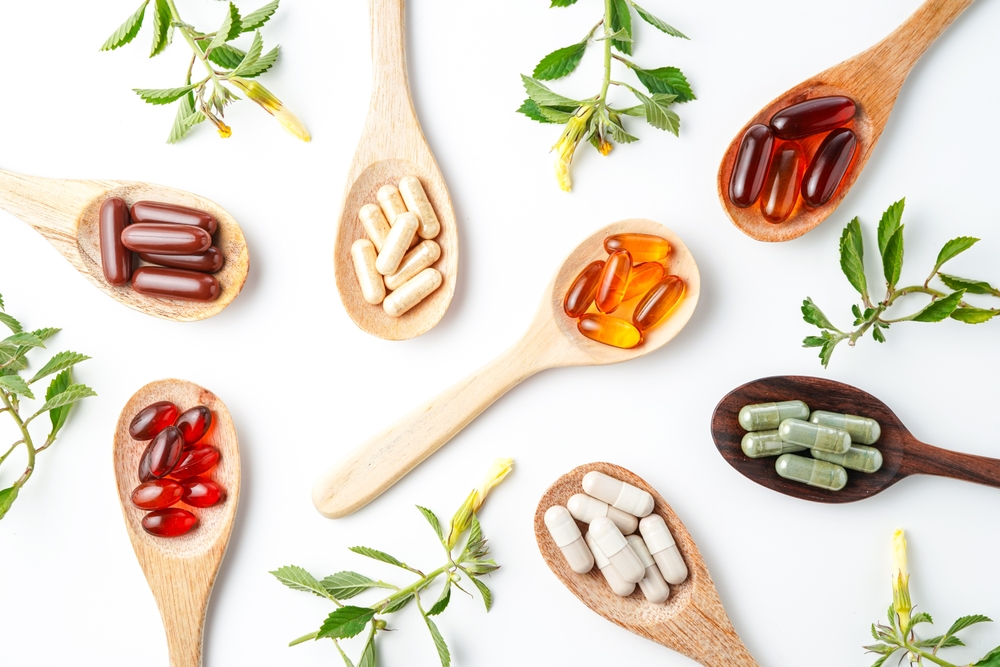
Multiple randomized controlled trials have demonstrated that selenium supplementation significantly reduces TPO antibody titers in Hashimoto's patients. The mechanism involves reduction of hydrogen peroxide-mediated oxidative stress in thyroid tissue, which directly decreases the inflammatory signal driving antibody production. Dr. Kharrazian's nutritional protocols for Hashimoto's treatment include selenium as a foundational nutraceutical, with dosing informed by patient selenium status and antibody levels.
Glutathione, the body's primary intracellular antioxidant, works synergistically with selenium-dependent enzymes. Research in redox biology supports the use of glutathione precursors — particularly N-acetylcysteine and whey protein — in supporting the antioxidant defenses of thyroid tissue. For patients with highly elevated antibodies, addressing oxidative stress through this pathway is a direct clinical target, not a general wellness recommendation.
Building a Personalized Autoimmune Protocol
Standardized dietary advice for Hashimoto's produces inconsistent results because the disease does not present identically across patients. The autoimmune triggers — molecular mimicry from food antigens, intestinal permeability, concurrent infections, blood sugar patterns, micronutrient deficiencies — vary by individual. Dr. Kharrazian's clinical training teaches practitioners to build protocols that account for each patient's specific immune reactivity and metabolic status rather than applying a one-size intervention.
The sequence of thought begins with removing known aggravators (iodine excess, glycemic instability, dietary antigens with documented cross-reactivity to thyroid tissue), then building in targeted nutritional support (selenium, vitamin D, glutathione precursors), and then refining based on individual patient response. Antibody titers over time serve as objective markers of whether the protocol is modulating the autoimmune process or not.
Gluten is a separate variable worth noting. Research in gastroenterology and autoimmunity has identified structural similarities between gliadin peptides and thyroid tissue antigens. In patients with both Hashimoto's and confirmed gluten sensitivity or celiac disease, strict gluten elimination can produce measurable reductions in thyroid antibodies. Whether universal gluten restriction is warranted for all Hashimoto's patients remains an area of active clinical discussion, but testing for gluten reactivity in this population is clinically justified.
Key Takeaways
- Iodine supplementation is contraindicated in Hashimoto's thyroiditis because it increases thyroglobulin immunogenicity and amplifies TPO antibody activity.
- Blood sugar dysregulation drives HPA axis activation and T-regulatory cell suppression, worsening the autoimmune process — stabilizing glycemia is a foundational intervention.
- Selenium supplementation has the strongest evidence base of any micronutrient specific to Hashimoto's, with multiple RCTs showing meaningful TPO antibody reduction.
- Vitamin D insufficiency impairs T-regulatory cell function and intestinal barrier integrity, both directly relevant to autoimmune thyroid disease progression.
- Effective nutritional protocols for Hashimoto's treatment require individualization — identifying each patient's specific triggers, deficiencies, and immune reactivity patterns.
Frequently Asked Questions
Not universally. Research supports gluten elimination in Hashimoto's patients with confirmed celiac disease or non-celiac gluten sensitivity, where antibody reductions are well-documented. For patients without detectable gluten reactivity, the evidence is less definitive. Testing for gluten sensitivity before making permanent dietary restrictions is the evidence-based approach.
Brazil nuts have the highest selenium concentration of any food, though content varies by soil origin. Seafood, organ meats, and eggs are reliable sources. In clinical practice, dietary intake alone is rarely sufficient to correct deficiency or achieve therapeutic antibody-reducing levels — supplementation is typically necessary and should be guided by serum selenium testing.
Glycemic swings activate the HPA axis and drive cortisol release. Cortisol at elevated levels suppresses T-regulatory cells, the immune cells responsible for limiting autoimmune activity. This creates a direct pathway from poor glycemic control to worsened autoimmune thyroid activity, independent of thyroid hormone levels.
Yes, in most patients. The concern that goitrogenic foods suppress thyroid function applies primarily to iodine-dependent hormone synthesis disruption. In Hashimoto's, where iodine restriction is already appropriate, moderate goitrogenic food consumption does not pose a clinical problem. Categorical elimination of cruciferous vegetables in this population is not evidence-supported.
Standard laboratory reference ranges mark sufficiency at 30 ng/mL, but immunological research suggests T-regulatory cell support requires levels in the 50–80 ng/mL range. Dr. Kharrazian's clinical training recommends assessing 25-hydroxyvitamin D and supplementing to achieve the higher end of sufficiency, not merely the minimum threshold for deficiency correction.
About the Author
Dr. Datis Kharrazian, PhD, DHSc, DC, MS, MMSc, FACN is a Harvard Medical School research fellow and researcher at Massachusetts General Hospital's Department of Neurology, specializing in autoimmunity and neuroimmunology. He serves as Associate Clinical Professor at Loma Linda University School of Medicine, and is the author of Why Do I Still Have Thyroid Symptoms When My Lab Tests Are Normal and Why Isn't My Brain Working. He is a Fellow of the American College of Nutrition, Diplomate of the Board of Nutrition Specialists, member of the American Association of Immunologists, and Fellow of the Royal Society of Medicine (UK). The Kharrazian Institute serves more than 5,000 physicians and healthcare providers worldwide.
Advance Your Clinical Skills in Autoimmune Thyroid Management
The Kharrazian Institute offers advanced practitioner training in evidence-based nutritional protocols for Hashimoto's treatment, including detailed clinical strategies for supplementation, dietary modification, and personalized autoimmune protocol design. Visit the Kharrazian Institute to view available courses and enrollment information.