Most autoimmune patients arrive at a functional medicine practice already on a suppressive medication, already exhausted, and already told their diet doesn't matter. The research says otherwise. Dietary interventions, sleep quality, stress physiology, and toxic load aren't adjuncts to autoimmune management — they are mechanisms. Each one directly modulates immune tolerance, intestinal permeability, and inflammatory signaling. Lifestyle medicine is autoimmune medicine.
Dr. Datis Kharrazian and the Kharrazian Institute (KI) have built clinical training around exactly this integration, teaching practitioners how to move beyond symptom suppression and address the upstream drivers that keep autoimmune activity cycling. The Essentials of Functional Medicine course provides the foundational clinical strategies for doing that work — starting with the thought processes required to evaluate complex chronic patients and build individualized protocols.
Why Lifestyle Variables Drive Autoimmune Activity
Autoimmunity is not a fixed state. It exists on a spectrum, and where a patient lands on that spectrum at any given time is shaped by inputs the patient controls every day. Research in immunology demonstrates that intestinal permeability is one of the central gatekeepers of systemic immune activation. When the gut barrier is compromised, bacterial lipopolysaccharides (LPS), dietary antigens, and microbial fragments enter circulation and prime innate immune responses that amplify autoimmune reactivity.
Diet is the most direct lever on that barrier. Gluten, for instance, triggers zonulin release in susceptible individuals regardless of celiac diagnosis — transiently opening tight junctions and increasing antigen translocation. Research in gastroenterology and mucosal immunology has documented this mechanism in detail, and Dr. Kharrazian's clinical teaching emphasizes its relevance specifically for autoimmune patients who continue to consume reactive foods while wondering why their antibody levels won't normalize.
Sleep deprivation, chronic psychological stress, and circadian disruption each activate the HPA axis and shift immune balance toward Th17 dominance — the same pathway that promotes tissue-specific inflammation in conditions like Hashimoto's thyroiditis, rheumatoid arthritis, and multiple sclerosis. Lifestyle medicine, in this context, is not a soft recommendation. It is direct intervention on immune signaling.
Dietary Autoimmune Interventions: Mechanisms, Not Protocols
The clinical mistake is treating dietary autoimmune interventions as a generic checklist: remove gluten, remove dairy, add omega-3s. That approach produces inconsistent outcomes because it ignores the patient-specific drivers underneath the intervention. The more durable clinical strategy is understanding why a dietary change produces an immune effect — then applying that logic to the individual patient.
Nutritional immune support operates through several distinct pathways. Short-chain fatty acids produced by fermentation of dietary fiber support regulatory T-cell (Treg) differentiation, which is central to immune tolerance. Polyphenols modulate NF-κB signaling and reduce pro-inflammatory cytokine expression. Vitamin D acts directly on dendritic cells and T-cell populations to suppress autoimmune activity — a function that is impossible when the patient is deficient and the deficiency goes unaddressed because it wasn't on the standard lab panel. These are mechanisms. The food choices and supplement protocols that follow from them are the clinical application.
Dr. Kharrazian's coursework teaches practitioners to evaluate the patient's current diet against their immune and inflammatory presentation, not against a standard elimination template. Two patients with Hashimoto's thyroiditis may require entirely different dietary interventions depending on their dominant immune dysregulation pattern, gut status, and toxic load. Personalized protocols built on mechanism produce better outcomes than population-level dietary rules.
Hepatic Biotransformation and Its Role in Immune Burden
Liver function is rarely the first thing practitioners think about in autoimmunemanagement. It should be among the first.
Hepatic biotransformation governs how the body processes and eliminates environmental toxins, xenoestrogens, metabolic byproducts, and pharmaceutical compounds. When phase I and phase II detoxification pathways are impaired, toxicological load accumulates. Research in environmental medicine and neuroimmunology demonstrates that many persistent organic pollutants, heavy metals, and xenobiotic compounds act as immune adjuvants — substances that amplify immune reactivity and can trigger or sustain autoimmune processes in genetically susceptible individuals.
Low thyroid function compounds this directly. Sluggish thyroid hormone output reduces the rate of hepatic metabolism, meaning the liver's clearance capacity declines — often in the same patient whose autoimmune thyroid disease is already generating the immunological burden. This is a bidirectional loop that standard endocrinology rarely addresses.
Chronic disease lifestyle strategies that ignore toxic load are incomplete. Supporting biotransformation through targeted nutritional cofactors, reducing ongoing exposure sources, and improving elimination are clinical actions with direct immune consequences. The Essentials of Functional Medicine course covers the clinical assessment of hepatic biotransformation and how impaired clearance contributes to the total immune burden practitioners see in complex autoimmune cases.
What Critical Thinking in Functional Medicine Actually Looks Like
Functional medicine education frequently claims to teach critical thinking. What gets delivered is often a decision tree: if symptom X, check lab Y, recommend supplement Z. That is pattern matching, not clinical reasoning.
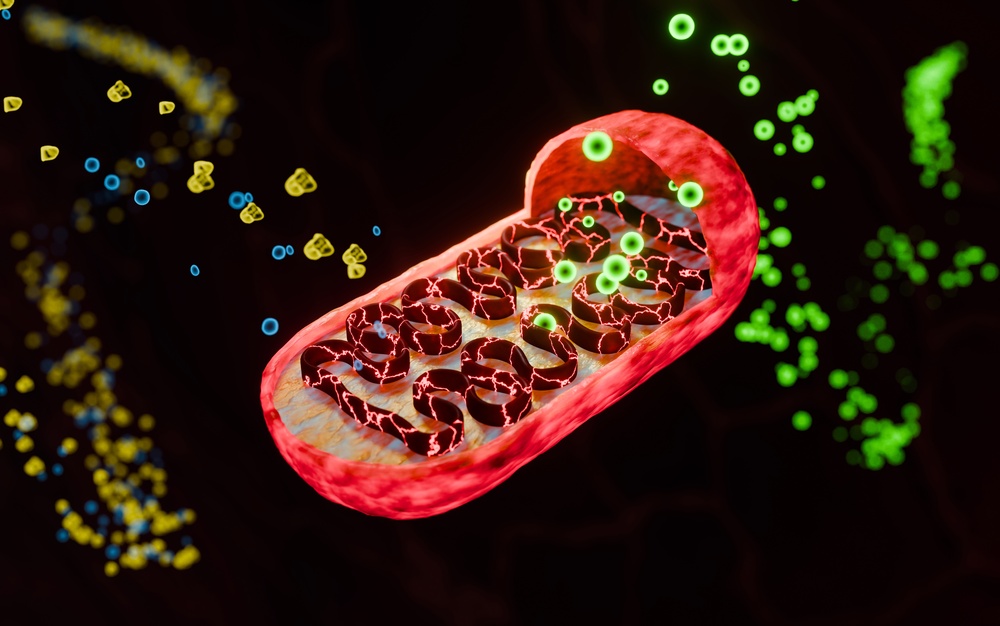
The clinical thought process Dr. Kharrazian's training emphasizes is sequential and mechanistic. It asks: what physiological system is failing, and what is downstream of that failure? It asks: is this patient's fatigue driven by mitochondrial dysfunction, poor thyroid conversion, anemia of chronic inflammation, or adrenal dysregulation — and how does the answer change the protocol? It requires holding multiple variables simultaneously and weighing their interactions rather than treating each symptom in isolation.
For autoimmune patients specifically, this matters because the presenting symptoms often point away from the actual driver. A patient presenting with depression, joint pain, and cognitive slowing may be experiencing the neurological and inflammatory consequences of untreated Hashimoto's thyroiditis — a condition that won't show on a TSH-only panel until tissue damage is already significant. The clinical strategy of running a complete thyroid panel including antibodies, evaluating gut permeability, and assessing toxic load isn't a "functional medicine approach" in the sense of an alternative paradigm. It is a more complete application of physiology.
Gastrointestinal Health as Immune Regulation
Approximately 70 percent of immune tissue resides in the gastrointestinal tract. That statistic appears in basic immunology textbooks and is consistently underutilized in clinical practice.
Intestinal permeability, dysbiosis, and impaired secretory IgA production each alter immune regulation in ways that are directly relevant to autoimmune management. Secretory IgA is the primary mucosal defense — when its production is compromised, the gut's first line of antigen exclusion is gone, and systemic immune activation follows. Research in mucosal immunology documents the connection between chronic psychological stress and suppressed secretory IgA, which means a patient's unmanaged work schedule is a measurable immune input.
Evaluating and treating gastrointestinal dysfunction is not a side arm of autoimmune management. It is central to it. Dr. Kharrazian's Essentials of Functional Medicine course addresses gastrointestinal evaluation specifically in the context of immune dysfunction — not as a separate GI module but as an integrated component of autoimmune case management.
How the Essentials of Functional Medicine Course Builds Clinical Application
The course is structured to serve practitioners at both the foundational and advanced levels. For clinicians newer to functional medicine, it establishes the physiological sequence of thought required to evaluate patients with complex, multi-system presentations. For experienced practitioners, it provides a structured review of mechanisms — the kind of review that consistently reveals gaps in prior training that explain why certain patient populations weren't improving.
The curriculum covers immune dysfunction and autoimmunity, gastrointestinal disorders, hepatic biotransformation, hormonal imbalances, fatigue and energy metabolism, and the integration of lifestyle and nutritional variables into clinical protocols. What distinguishes the training is its insistence on mechanism over rule. Practitioners leave with a clinical thought process they can apply immediately, across patients whose presentations don't match any single protocol template.
For practitioners managing autoimmune patients — which now describes nearly every functional medicine practice — functional medicine lifestyle protocols grounded in immunological and physiological mechanisms are the clinical standard that produces consistent outcomes. The Essentials of Functional Medicine course is the entry point for building that standard into practice.
Key Takeaways for Practitioners
- Intestinal permeability is a central driver of systemic immune activation in autoimmune disease, and dietary interventions directly modulate it through specific immunological mechanisms
- Hepatic biotransformation impairment increases toxicological load, which acts as an immune adjuvant and sustains autoimmune reactivity — making liver support a core component of autoimmune protocols.
- Nutritional immune support operates through distinct pathways (Treg differentiation, NF-κB modulation, vitamin D receptor signaling) that require patient-specific application, not population-level dietary templates.
- Approximately 70 percent of immune tissue resides in the gastrointestinal tract. Gastrointestinal evaluation is inseparable from autoimmune case management.
- Critical thinking in functional medicine means identifying the physiological driver behind the symptom cluster, not matching symptoms to protocol templates.
Frequently Asked Questions
Lifestyle medicine in autoimmune management refers to the clinical application of dietary interventions, sleep optimization, stress physiology management, and toxic load reduction as direct modulators of immune function. These are not adjuncts to treatment — research demonstrates they operate through measurable immunological mechanisms including intestinal permeability, cytokine regulation, and T-cell balance.
Standard elimination diets identify reactive foods symptomatically. Mechanistic dietary autoimmune interventions target specific immune pathways: tight junction integrity, Treg differentiation through short-chain fatty acids, and NF-κB modulation through polyphenols. The clinical difference is that mechanistic protocols are built around the individual patient's immune dysregulation pattern, not a generalized removal template.
Impaired liver detoxification allows environmental toxins and metabolic byproducts to accumulate. Many of these compounds act as immune adjuvants, amplifying autoimmune reactivity in susceptible individuals. Research in environmental medicine documents this connection, and it is a consistently underaddressed variable in standard autoimmune care.
The course is structured for both practitioners new to functional medicine and experienced clinicians looking to formalize their clinical thought process. It covers autoimmunity, gastrointestinal disorders, hepatic biotransformation, hormonal imbalances, and fatigue through a mechanistic lens that supports immediate clinical application.
The Kharrazian Institute emphasizes clinical thought processes grounded in physiology rather than protocol templates. Dr. Kharrazian's training teaches practitioners to identify the upstream driver of a patient's presentation and build individualized protocols from that assessment — an approach that is particularly relevant for complex autoimmune cases.
About the Author
Dr. Datis Kharrazian, PhD, DHSc, DC, MS, MMSc, FACN is a Harvard Medical School research fellow and researcher at Massachusetts General Hospital, Department of Neurology, specializing in autoimmunity and neuroimmunology. He serves as Associate Clinical Professor at Loma Linda University School of Medicine and is the author of Why Do I Still Have Thyroid Symptoms When My Lab Tests Are Normal and Why Isn't My Brain Working. He is a Fellow of the American College of Nutrition, Diplomate of the Board of Nutrition Specialists, member of the American Association of Immunologists, and Fellow of the Royal Society of Medicine (UK). The Kharrazian Institute serves more than 5,000 physicians and healthcare providers worldwide.
Essentials of Functional Medicine
The Kharrazian Institute's Essentials of Functional Medicine course covers the clinical strategies, mechanisms, and thought processes presented in this article. Enrollment is open to licensed healthcare practitioners. View course details and enrollment information.