Most practitioners treating autoimmune patients are managing the immune attack. Fewer are asking what started it. That distinction is the clinical divide between patients who stabilize and patients who cycle through flares indefinitely. The Kharrazian Institute's Essentials of Functional Medicine course, developed by Dr. Datis Kharrazian, addresses this gap directly — teaching practitioners how to identify functional medicine autoimmune triggers before the tissue damage compounds.
Autoimmune disease does not emerge from a single cause. Immunology research has established that susceptibility requires a genetic predisposition, intestinal permeability, and an environmental trigger — all three present simultaneously. The trigger is where the clinical leverage is. It is also the variable most consistently overlooked in conventional workups.
Why Identifying Autoimmune Triggers Changes Clinical Outcomes
Suppressing immune activity without removing the trigger is pharmacological symptom management. The immune system is responding to something specific. Until that something is identified and removed, the autoimmune response has an ongoing reason to persist.
Functional medicine research in autoimmunity consistently shows that environmental triggers — dietary antigens, microbial exposures, chemical compounds, and cross-reactive proteins — can perpetuate immune activation independently of genetic predisposition. The body's immune memory is precise. Once a T-cell or B-cell population is primed against a specific antigen, re-exposure reactivates that response. This is not theoretical. It is the mechanism behind every autoimmune flare pattern practitioners see in chronic patients who cannot recover despite aggressive treatment.
Dr. Kharrazian's clinical teaching emphasizes a structured sequence of thought for identifying these triggers — not a checklist, but a step-by-step evaluation that accounts for the multiple pathways through which environmental factors can initiate or perpetuate autoimmunity. That sequence is the foundation of the KI assessment approach.
Molecular Mimicry: When the Immune System Mistakes Identity
Molecular mimicry is the best-documented mechanism linking environmental exposures to autoimmune initiation. A pathogen, dietary protein, or chemical compound shares a structural sequence with a self-antigen. The immune system generates antibodies against the foreign protein. Those same antibodies then target the structurally similar self-tissue.
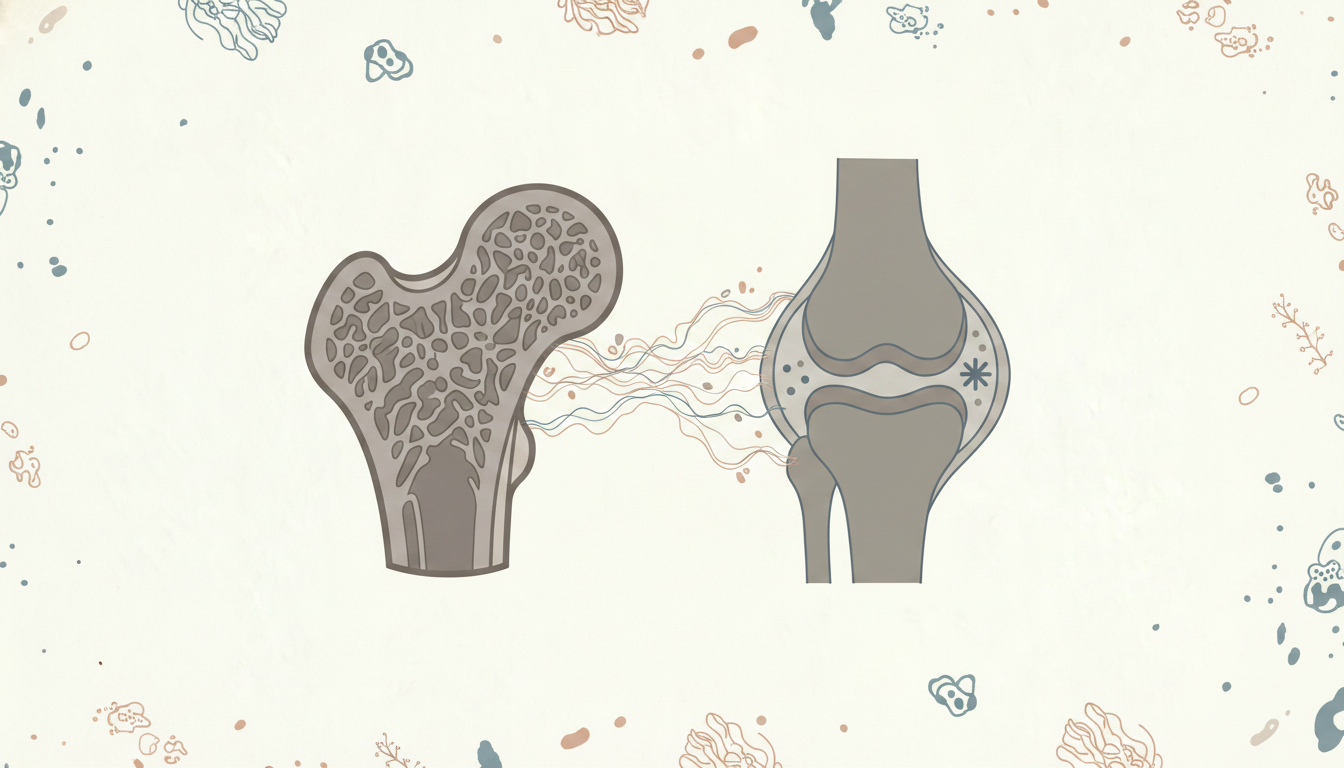
Clinically, the consequence is that a patient's autoimmune activity can persist long after the original infection has resolved — because the dietary or environmental exposure maintaining the molecular mimicry pattern is still present. Gluten and thyroid tissue. Molecular mimicry between <em>Klebsiella</em> and HLA-B27-associated joint tissue. Epstein-Barr viral proteins and myelin basic protein. These are not isolated anomalies. Research in neuroimmunology and gastroenterology has documented molecular mimicry mechanisms across multiple tissue targets.
The practitioner's job is to determine which cross-reactive pathway is active in a specific patient. This requires understanding both the tissue under attack and the environmental candidates capable of maintaining that attack. Dr. Kharrazian's coursework teaches practitioners to apply this thought process systematically, mapping tissue-specific autoimmune patterns to the most research-supported mimicry candidates for each organ system.
Cryptic Antigens: Identifying What the Immune System Was Never Supposed to See
Cryptic antigen exposure is a mechanistically distinct pathway. Under normal tissue turnover, proteins sequestered inside cells — never exposed to the developing immune system during tolerance training — can be released when cells are damaged or destroyed. The immune system, having no tolerance to these proteins, mounts a response.
The clinical implication is significant: in patients with ongoing tissue injury from any cause — oxidative stress, infection, physical trauma, or toxic exposure — cryptic antigens from that tissue are continuously entering circulation. Autoimmune reactivity to those antigens is not aberrant immune function. It is immune function working exactly as designed, against proteins it has never been trained to recognize as self.
Identifying cryptic antigen pathways requires knowing which tissues are under active stress in the patient and which antigens are likely being released as a result. This is where the integration between organ-specific assessment and autoimmune evaluation becomes essential. Dr. Kharrazian's clinical training addresses exactly this intersection — connecting markers of tissue injury to the autoimmune patterns that follow.
Bystander Activity: Immune Amplification Without a Specific Target
Bystander activation differs from molecular mimicry in one important way: no structural similarity between the trigger and the target tissue is required. Localized inflammation in a tissue, regardless of the original cause, can activate tissue-resident immune cells non-specifically. Those cells then begin targeting local proteins — not because those proteins are recognized as foreign, but because the inflammatory environment itself lowers the threshold for immune activation.
This mechanism explains a pattern practitioners encounter regularly: a patient with an established autoimmune condition who experiences a significant flare after an unrelated infection, surgical procedure, or toxic exposure. The new event did not introduce a new autoimmune target. It amplified local inflammation in an already-sensitized tissue, driving bystander activation of pre-existing autoreactive cell populations.
Understanding bystander activity pathways changes how practitioners evaluate triggers. Not every exacerbating event is a direct immunological antigen match. Some are inflammatory amplifiers. The clinical question becomes: what is driving non-specific immune amplification in this patient, and is it a manageable environmental variable? Research in clinical immunology supporting bystander activation is a core part of what Dr. Kharrazian's coursework synthesizes for practitioners working with complex autoimmune presentations.
Environmental Autoimmune Factors: Beyond Diet and Infection
Dietary antigens and infections receive the most clinical attention as environmental autoimmune factors. Chemical exposures receive considerably less — despite a growing body of environmental medicine research documenting their role in immune dysregulation and autoimmune initiation.
Heavy metals, pesticides, solvents, and certain plasticizers have demonstrated capacity to modify self-proteins through haptenization — binding to endogenous proteins and creating novel antigens the immune system has no tolerance to. The resulting immune response targets both the modified protein and, through molecular mimicry, the unmodified version. This is not a theoretical mechanism. It has been documented in the context of heavy metal exposure and autoimmune thyroiditis, solvent exposure and systemic lupus, and occupational chemical exposure and multiple organ-specific autoimmune conditions.
The clinical challenge is that most practitioners have no systematic way to evaluate chemical exposures in the context of autoimmune disease. Hepatic biotransformation capacity — the liver's ability to process and clear toxic compounds — is part of that evaluation. A patient with impaired phase one or phase two detoxification will accumulate chemical burdens that a patient with intact liver function clears without incident. Dr. Kharrazian's Essentials of Functional Medicine course addresses hepatic biotransformation as a core component of the autoimmune and toxicological assessment sequence, precisely because the two are mechanistically inseparable.
Clinical Assessment: Applying a Functional Sequence of Thought
Identifying functional medicine autoimmune triggers in practice requires more than knowing the mechanisms. It requires a sequence of thought that moves efficiently from presentation to probable trigger category to confirmatory evaluation — and does so differently depending on the patient's clinical picture.
A patient with Hashimoto's thyroiditis and a history of recurrent viral infections warrants a different investigative priority than a patient with the same diagnosis and a 20-year occupational chemical exposure. Same tissue target. Different trigger pathways. Different interventions.
This is the clinical problem that rules and mnemonics cannot solve. The KI approach, as taught in Dr. Kharrazian's foundational course, is built on developing the practitioner's ability to reason through this variability systematically — evaluating gastrointestinal integrity, immune history, toxic burden, and dietary antigen exposure as intersecting variables rather than isolated modules. Each informs the others. The comprehensive assessment of a chronic autoimmune patient cannot be compartmentalized; it has to be integrated.
Intestinal permeability sits at the center of nearly every autoimmune trigger pathway. Without increased intestinal permeability, dietary and microbial antigens cannot reach systemic circulation in quantities sufficient to drive autoimmune reactivity. This is why gastrointestinal evaluation is not a separate workup in functional medicine autoimmune assessment — it is the structural prerequisite for understanding how any trigger gains systemic access. Dr. Kharrazian's course addresses gastrointestinal evaluation specifically in the context of autoimmune trigger identification, not as a standalone topic.
Key Takeaways for Practitioners
- Autoimmune disease requires genetic susceptibility, intestinal permeability, and an environmental trigger present simultaneously. The trigger is the most clinically actionable variable.
- Molecular mimicry, cryptic antigen exposure, and bystander activation are distinct mechanisms — identifying which is active determines the appropriate clinical strategy.
- Chemical exposures modify self-proteins through haptenization, creating novel antigens the immune system has no tolerance to. Hepatic biotransformation capacity directly affects how patients clear these exposures.
- Intestinal permeability is a structural prerequisite for systemic autoimmune trigger exposure — gastrointestinal assessment cannot be separated from autoimmune evaluation.
- A systematic sequence of thought applied to each patient's unique history produces clinical outcomes that standardized protocols cannot replicate in complex autoimmune cases.
Frequently Asked Questions
Chemical and environmental exposures are consistently underassessed. Heavy metals, solvents, and pesticides can haptenize self-proteins, generating autoimmune reactivity that dietary and infection-focused evaluations won't explain. Hepatic biotransformation impairment compounds this by reducing the patient's ability to clear these compounds before tissue modification occurs.
Molecular mimicry requires structural similarity between a foreign antigen and self-tissue — antibodies generated against the foreign protein cross-react with self. Bystander activation requires no structural match. Localized inflammation lowers the activation threshold for tissue-resident immune cells, driving non-specific reactivity against local proteins in an already-sensitized environment.
Increased intestinal permeability is the route through which dietary antigens, microbial fragments, and chemical compounds gain systemic access in quantities sufficient to prime or re-activate autoimmune responses. Without it, most environmental triggers remain contained. Restoring barrier integrity reduces the systemic antigen burden driving ongoing immune activation.
Infection drives autoimmunity primarily through molecular mimicry or bystander activation. Cryptic antigen exposure occurs when tissue injury releases intracellular proteins the immune system has never developed tolerance to — no foreign antigen is required. Ongoing tissue damage from any source can perpetuate this pathway indefinitely.
Yes. The course builds the clinical reasoning sequence from foundational mechanisms, which benefits practitioners at every level. Experienced practitioners frequently identify gaps in their autoimmune assessment logic that the structured sequence of thought in the course resolves — particularly around environmental triggers and hepatic biotransformation.
About the Author
Dr. Datis Kharrazian, PhD, DHSc, DC, MS, MMSc, FACN is a Harvard Medical School research fellow and researcher at Massachusetts General Hospital Department of Neurology specializing in autoimmunity and neuroimmunology. He serves as Associate Clinical Professor at Loma Linda University School of Medicine and is the author of Why Do I Still Have Thyroid Symptoms When My Lab Tests Are Normal and Why Isn't My Brain Working. He is a Fellow of the American College of Nutrition, Diplomate of the Board of Nutrition Specialists, member of the American Association of Immunologists, and Fellow of the Royal Society of Medicine (UK). The Kharrazian Institute serves more than 5,000 physicians and healthcare providers worldwide.
Essentials of Functional Medicine — Now Enrolling
The Kharrazian Institute's Essentials of Functional Medicine course covers the clinical assessment strategies for autoimmune triggers, gastrointestinal evaluation, hepatic biotransformation, immune dysfunction, and complex chronic disease. Designed for practitioners who need evidence-based, immediately applicable clinical strategies for patients who are not recovering.
View course details and enrollment information at the Kharrazian Institute.