Most fertility workups stop at hormones. FSH is checked, estradiol is checked, and if the numbers look acceptable, the patient is told to keep trying or referred for assisted reproduction. What that workup misses is substantial — and for patients with undiagnosed autoimmune activity, unresolved inflammation, or gut-driven hormonal disruption, that gap is the reason they stay infertile. The Kharrazian Institute's clinical training teaches practitioners to conduct a functional medicine fertility assessment that treats reproductive failure as a systems problem, not a hormonal one.
Why Standard Fertility Workups Miss the Underlying Mechanisms
Reproductive endocrinology is built around one question: are the hormones within range? Functional medicine fertility assessment asks a different question: what is disrupting the systems that regulate those hormones in the first place?
Hormonal dysfunction is frequently downstream. A patient with subclinical hypothyroidism, elevated thyroid antibodies, and poor T4-to-T3 conversion will show cycle irregularities and impaired implantation — not because her reproductive hormones are the primary problem, but because thyroid physiology governs nearly every stage of the reproductive cycle. Treating the hormone numbers without addressing thyroid autoimmunity is treating the shadow instead of the object casting it.
The same logic applies to adrenal dysfunction, chronic inflammation, intestinal permeability, blood sugar dysregulation, and immune activation. Each of these can impair fertility through distinct mechanisms. None of them appear on a standard fertility panel. Dr. Kharrazian's clinical training equips practitioners to identify these underlying drivers through a structured, comprehensive evaluation — before assuming the problem begins and ends in the ovary or the uterus.
Autoimmune Evaluation: The Most Commonly Overlooked Component
Autoimmune activity is a significant and underdiagnosed contributor to reproductive failure in women. Research in reproductive immunology has established a clear link between autoimmune conditions and premature ovarian insufficiency, implantation failure, and recurrent pregnancy loss. Yet routine fertility workups rarely include autoimmune screening beyond antiphospholipid antibodies.
A functional medicine fertility assessment includes evaluation for ovarian antibodies, particularly in any patient with a known autoimmune condition — Hashimoto's thyroiditis, lupus, rheumatoid arthritis, or otherwise. The presence of one autoimmune condition substantially increases the probability of additional autoimmune activity, including antibodies directed at ovarian tissue. Dr. Kharrazian's coursework teaches practitioners to use tools like the Cyrex Array 5, which screens for a broad panel of tissue antibodies and can identify autoimmune targets that would otherwise remain invisible.
FSH levels serve as a critical monitoring marker in this context. Normal FSH in a patient with ovarian antibodies represents a clinical window — a period during which intervention to reduce autoimmune activity may still preserve ovarian function. Once FSH becomes significantly elevated, the window narrows. Catching the autoimmune component early, before FSH climbs, is one of the places where a comprehensive fertility workup changes outcomes.
Thyroid antibodies and adrenal antibodies should be included in this autoimmune screen. Both thyroid autoimmunity and adrenal autoimmunity disrupt reproductive hormone regulation through mechanisms that are well-documented in endocrinology and immunology literature — and both are routinely absent from conventional fertility evaluations.
Hormonal Analysis in Context, Not in Isolation
Hormonal profiling is necessary. It is not sufficient.
Thyroid assessment should extend beyond TSH. A patient with a TSH technically within reference range but with low free T3, poor T4-to-T3 conversion, and elevated thyroid antibodies has hypothyroid physiology affecting her fertility — even if her TSH looks acceptable. Research in thyroid medicine consistently shows that T3 is the metabolically active form, and conversion problems occur peripherally, in tissues that TSH measurement cannot capture.
Sex hormone evaluation should include estrogen, progesterone, LH, FSH, and DHEA-S at minimum, but those results should be interpreted against the backdrop of adrenal status, inflammatory burden, and insulin regulation. High insulin suppresses sex hormone binding globulin, alters androgen metabolism, and disrupts ovulation. Blood sugar dysregulation is not a separate problem from hormonal dysregulation — it is one of its primary causes. The functional medicine fertility assessment treats these as a connected system.
Dr. Kharrazian's clinical training addresses the cascade: poor blood sugar regulation drives adrenal stress, adrenal stress suppresses progesterone production through pregnenolone steal, and luteal phase insufficiency follows. The hormone numbers tell the story's ending. Functional evaluation identifies where the story actually begins.
Dietary and Environmental Factors That Directly Impair Reproduction
Diet affects fertility through several specific, well-studied mechanisms. Arachidonic acid — concentrated in factory-farmed animal products and certain processed foods — drives the production of pro-inflammatory prostaglandins that impair implantation and promote uterine contractions. Advanced glycation end products, generated by high-heat cooking of proteins and fats, induce oxidative stress in reproductive tissues. Partially hydrogenated fats disrupt cell membrane integrity, including in oocytes. These are not speculative concerns; they are documented in reproductive endocrinology and nutritional biochemistry literature.
A functional medicine fertility assessment includes a genuine dietary evaluation — not a generic "eat healthy" conversation, but a specific inquiry into food patterns that create inflammatory or oxidative conditions affecting reproductive tissue. This requires the practitioner to know what to ask for and what it means clinically.
Environmental toxin burden deserves equal attention. Research in environmental medicine has documented the endocrine-disrupting effects of persistent organic pollutants, heavy metals, and xenoestrogens on both male and female reproductive function. These exposures accumulate silently and rarely appear in a chief complaint. Testing for toxic burden, including appropriate urinary or blood toxin panels, gives the assessment a layer of precision that dietary history alone cannot provide.
Male Factor Assessment Belongs in Every Fertility Workup
Approximately forty percent of infertility cases involve male factor contributions. Evaluating only the female partner while the male partner goes unassessed is a systematic clinical error.
Semen analysis is the starting point, but functional evaluation of the male partner extends further. Oxidative stress is one of the primary drivers of sperm DNA fragmentation — a parameter not captured by standard semen analysis but significantly predictive of fertilization failure and early pregnancy loss. Research in male reproductive medicine has identified elevated reactive oxygen species as a measurable and addressable factor in male infertility.
Autoimmune activity in men should also be assessed. Anti-sperm antibodies can form following testicular injury, infection, or surgery, and can impair both sperm motility and fertilization capacity. Systemic inflammatory conditions and systemic autoimmune diseases affect male fertility through mechanisms parallel to those documented in women.
Hormonal evaluation in the male partner should include testosterone, LH, FSH, estradiol, SHBG, and thyroid markers. Excess estradiol relative to testosterone — driven by excess adipose tissue, xenoestrogen exposure, or impaired hepatic metabolism — suppresses LH secretion and downstream testosterone production. This is a functional medicine pattern, not a diagnosis that conventional andrology typically pursues.
Comprehensive Functional Testing for Reproductive Health
The testing strategy in a functional medicine fertility assessment is organized around identifying mechanisms, not confirming diagnoses. The clinical picture guides test selection, but several testing domains are broadly applicable.
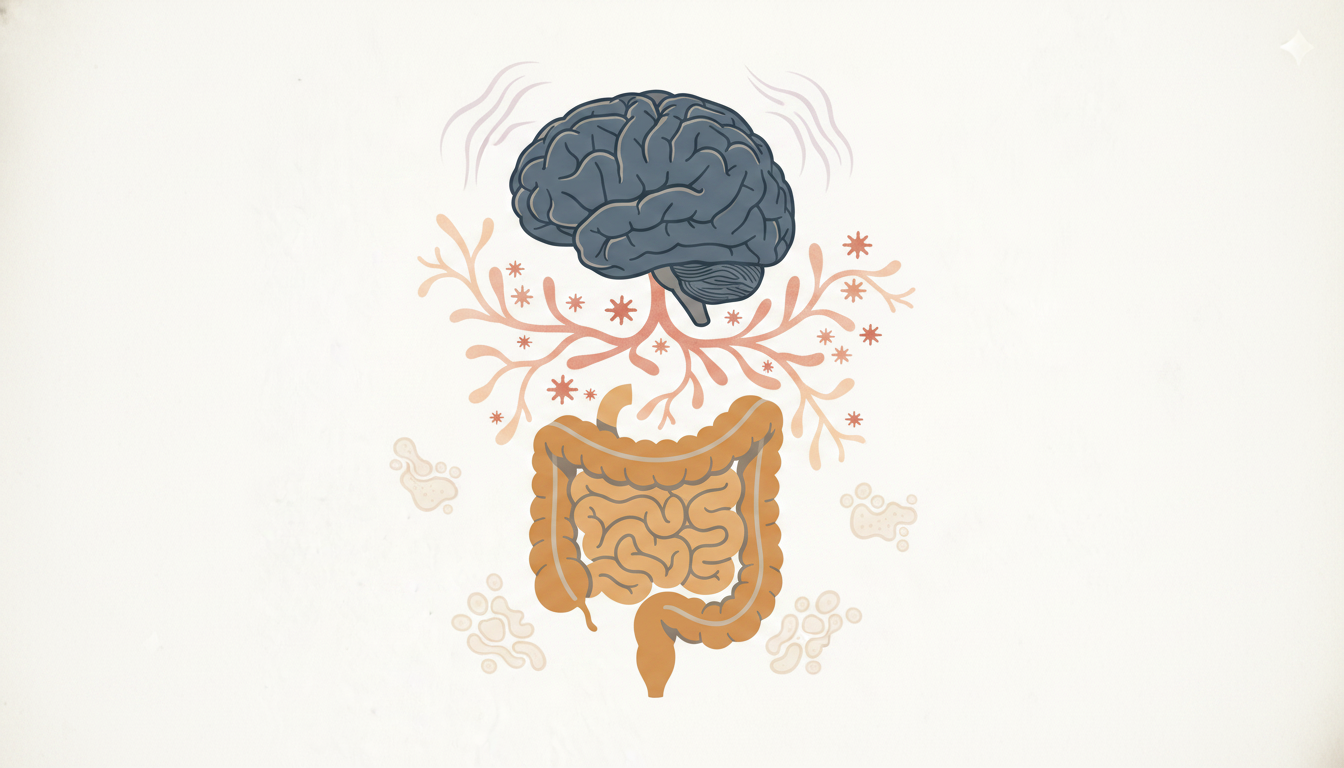
Microbiome assessment is relevant because intestinal permeability drives systemic immune activation, increases inflammatory cytokine production, and disrupts estrogen metabolism through impaired enterohepatic circulation. The estrobolome — the collection of gut bacteria responsible for estrogen metabolism — directly affects the estrogen available to reproductive tissues. Dysbiosis is a reproductive health issue.
Adrenal function testing, through salivary or dried urine cortisol patterns, reveals HPA axis dysregulation that suppresses the HPG axis. The body does not prioritize reproduction during physiological stress responses. Chronic HPA activation is a documented mechanism of hypothalamic amenorrhea and luteal phase deficiency.
Essential fatty acid status influences prostaglandin balance, cell membrane fluidity in oocytes, and systemic inflammatory tone. These are modifiable with targeted nutritional intervention — but only if the deficit is identified.
Dr. Kharrazian's coursework provides practitioners with the clinical strategy to sequence these assessments, interpret the results in relation to each other, and build a prioritized intervention plan that addresses root mechanisms rather than isolated findings.
Key Takeaways
- Standard fertility workups built around hormone profiling alone will miss autoimmune, inflammatory, gut, and environmental drivers of infertility that are well-documented in the research literature.
- Autoimmune evaluation — including ovarian, thyroid, and adrenal antibody screening — is a necessary component of a complete fertility assessment, particularly in patients with any known autoimmune condition.
- FSH levels in the context of ovarian autoimmunity mark a clinical intervention window. Normal FSH with elevated ovarian antibodies is an indication for early action, not reassurance.
- Male factor assessment, including oxidative stress markers and hormonal evaluation, belongs in every fertility workup. Evaluating only the female partner is a clinical oversight with documented consequences.
- Gut health, blood sugar regulation, environmental toxin burden, and dietary inflammatory patterns each affect reproductive physiology through specific mechanisms and should be addressed in a comprehensive evaluation.
Frequently Asked Questions
A functional medicine fertility assessment adds autoimmune screening, gut health evaluation, environmental toxin assessment, adrenal function testing, and dietary analysis to the standard hormonal profile. It evaluates the systems that regulate hormonal function rather than measuring hormones in isolation.
Autoimmune conditions can generate antibodies against ovarian tissue, thyroid tissue, and adrenal tissue, each of which disrupts the hormonal signaling that governs ovulation, implantation, and early pregnancy. Research in reproductive immunology documents these mechanisms across multiple autoimmune conditions.
TSH reflects pituitary signaling but does not capture T4-to-T3 conversion or the presence of thyroid antibodies. Low free T3 and active thyroid autoimmunity impair reproductive function through mechanisms that a normal TSH can completely mask.
Yes. Male factor contributions account for approximately forty percent of infertility cases. A complete workup evaluates both partners simultaneously and includes semen analysis, oxidative stress markers, hormonal assessment, and screening for autoimmune activity affecting sperm function.
The gut microbiome regulates estrogen metabolism through the estrobolome. Intestinal permeability drives systemic inflammation and immune activation that impairs reproductive tissue function. Dysbiosis is a clinically significant and modifiable contributor to hormonal imbalance and infertility.
About the Author
Dr. Datis Kharrazian, PhD, DHSc, DC, MS, MMSc, FACN is a Harvard Medical School research fellow and researcher at Massachusetts General Hospital's Department of Neurology, specializing in autoimmunity and neuroimmunology. He serves as Associate Clinical Professor at Loma Linda University School of Medicine and is the author of Why Do I Still Have Thyroid Symptoms When My Lab Tests Are Normal and Why Isn't My Brain Working. He is a Fellow of the American College of Nutrition, Diplomate of the Board of Nutrition Specialists, member of the American Association of Immunologists, and Fellow of the Royal Society of Medicine (UK). The Kharrazian Institute serves more than 5,000 physicians and healthcare providers worldwide.
The Kharrazian Institute's advanced clinical training covers the complete functional medicine fertility assessment sequence — from autoimmune screening and hormonal analysis to environmental toxin evaluation and male factor workup. View available courses at the Kharrazian Institute.