Most infertility workups follow the same sequence: hormone panels, imaging, semen analysis, referral to reproductive endocrinology. What they rarely include is autoimmune evaluation — and that gap is costing patients their window for intervention. The autoimmune infertility connection is one of the most underaddressed areas in reproductive medicine, and the Kharrazian Institute trains practitioners to close that gap with evidence-based clinical strategies.
Dr. Datis Kharrazian's clinical training addresses autoimmune premature ovarian failure as a mechanism that is likely more common than current diagnosis rates suggest — partly because the testing for it is rarely ordered until ovarian function has already declined past the point of intervention.
How Autoimmune Activity Disrupts Ovarian Function
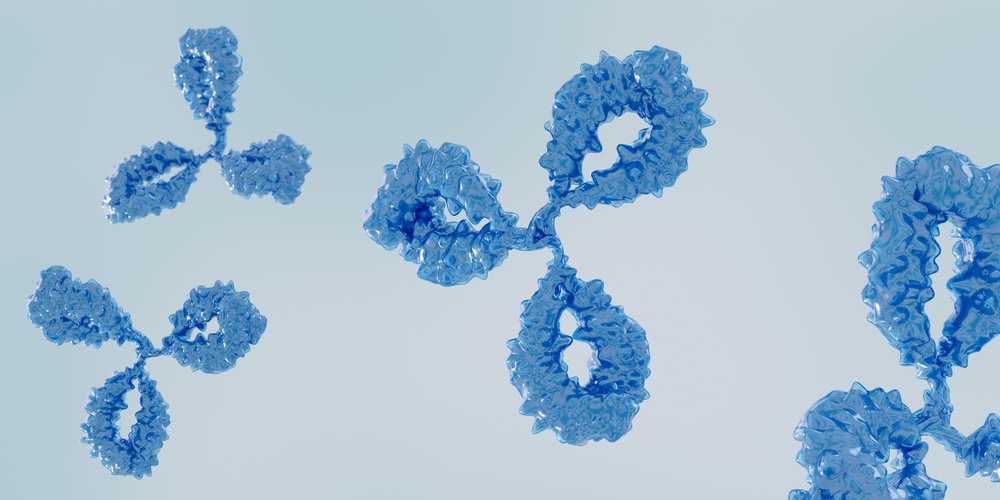
Autoimmune premature ovarian failure occurs when the immune system generates antibodies against ovarian tissue. The result is progressive impairment of ovarian function, typically presenting as elevated FSH and loss of menstrual cycles before age 40. What makes this mechanism clinically significant is that it is immunologically driven, not structurally driven — which means standard imaging and even basic hormone panels can appear relatively normal in early stages while ovarian tissue is actively being damaged.
Research in reproductive immunology identifies ovarian antibodies as measurable markers of this process. The clinical problem is straightforward: most practitioners are not testing for them. By the time elevated FSH appears and cycles become irregular, the feedback loop in the hypothalamic-pituitary-ovarian axis is already disrupted. The ovarian antibody test, ordered earlier, can identify immune activity against ovarian tissue before that loss of feedback — which is where intervention remains possible.
That window matters. Dr. Kharrazian's clinical teaching emphasizes identifying ovarian antibodies while the endocrine feedback loop is still intact, because intervention strategies aimed at immune modulation and reducing inflammatory burden have the most potential during that phase. Once FSH climbs and cycles cease, the intervention window narrows considerably.
Which Patients Are at Highest Risk for Reproductive Autoimmune Conditions?
Women with existing autoimmune disease carry the highest risk. Hashimoto's thyroiditis and systemic lupus erythematosus (SLE) are the two most clinically relevant examples, and both are associated with elevated rates of autoimmune premature ovarian failure and broader reproductive immune dysregulation. The logic is straightforward: if the immune system has already demonstrated the capacity for self-directed attack in one tissue, the probability of additional autoimmune activity elsewhere — including ovarian tissue — is significantly elevated.
This means any female patient presenting with infertility who also carries a diagnosis of Hashimoto's thyroiditis should receive ovarian antibody testing as part of the standard workup, not as an afterthought. The same applies to patients with other autoimmune conditions. Thyroid peroxidase antibodies and thyroid antibodies more broadly have also been associated with implantation failure and early pregnancy loss — a connection the research in reproductive autoimmunity has documented but that rarely reaches the infertility consultation.
The clinical translation Dr. Kharrazian's coursework teaches is this: autoimmune infertility is not a single condition. It is a category of immune-driven reproductive disruption that can operate through multiple mechanisms simultaneously — ovarian antibodies, thyroid antibodies, antiphospholipid antibodies, elevated systemic inflammation — and evaluating for only one of these while missing the others produces an incomplete clinical picture.
What Standard Infertility Workups Consistently Miss
The conventional infertility workup was not designed with immune dysregulation in mind. It is structured around structural and hormonal causes, which are real and important but represent only part of the clinical picture for a significant subset of patients. Practitioners trained in the autoimmune infertility connection know to look beyond the standard panel.
Several evaluation points are routinely absent from conventional workups:
- Ovarian antibody testing — identifies immune activity against ovarian tissue before FSH elevation confirms ovarian insufficiency
- Antiphospholipid antibody panel — antiphospholipid syndrome is a well-documented cause of recurrent pregnancy loss and implantation failure that is frequently missed until a patient has experienced multiple losses
- Thyroid antibody testing beyond TSH — TSH within reference range does not rule out active thyroid autoimmunity, and thyroid antibodies independently affect implantation and early pregnancy maintenance
- Comprehensive inflammatory markers — systemic inflammation driven by dietary factors, intestinal permeability, or unmanaged autoimmune activity creates an immunological environment that is hostile to implantation and early fetal development
- Male partner immune evaluation — antisperm antibodies in male patients are a documented cause of infertility that is rarely tested in the standard male workup
The failure to include these evaluations is not negligence — it reflects how practitioners are trained. The autoimmune infertility connection is not a standard module in most medical training. That is precisely the gap KI addresses.
The Role of Intestinal Permeability and Systemic Inflammation in Fertility
Intestinal permeability drives systemic immune activation. When the intestinal barrier is compromised, bacterial endotoxins and food-derived antigens enter systemic circulation, triggering inflammatory cytokine cascades. Research in reproductive immunology demonstrates that elevated pro-inflammatory cytokines — including TNF-alpha and IL-6 — directly interfere with implantation, ovulation, and early embryonic development.
Dietary factors play a direct role here. Gluten sensitivity, whether celiac or non-celiac, is associated with elevated inflammatory load and has been studied in the context of unexplained infertility and recurrent pregnancy loss. The mechanism is not exclusively autoimmune, but it intersects with autoimmune pathways: gliadin exposure in susceptible individuals increases intestinal permeability, elevates systemic inflammation, and in those with pre-existing autoimmune conditions, can amplify autoantibody production.
This is where the clinical strategy broadens. Evaluating the infertile patient for dietary drivers of immune activation — not as a general wellness recommendation, but as a targeted clinical assessment — is a meaningful part of the workup for patients where immune dysregulation is suspected. Dr. Kharrazian's clinical training integrates these dietary and environmental contributors into a practical assessment protocol, so practitioners are not treating the immune system in isolation from the inputs that are driving it.
Why the Evaluation Must Include Both Partners
Infertility is still disproportionately investigated in the female partner first, and often exclusively. Research in male reproductive immunology has documented antisperm antibodies as a cause of impaired sperm motility, reduced fertilization capacity, and failed implantation. These antibodies can be present in both partners. In the male, they can develop following testicular trauma, infection, or vasectomy reversal. In the female, antisperm antibodies in cervical mucus can create a hostile environment for sperm before fertilization is even possible.
Neither scenario is rare. Both are underdiagnosed because the testing is underordered. Dr. Kharrazian's clinical teaching includes the male immune evaluation as a standard component of the infertility workup — not an optional add-on — because the evidence supports it and because practitioners who omit it will continue to return false-negative evaluations in couples where the immune driver is bilateral.
The Intervention Window: Why Timing in Autoimmune Infertility Is Everything
Autoimmune premature ovarian failure is not static. The immune-mediated damage to ovarian tissue accumulates over time, and the progression from subclinical ovarian antibody positivity to overt ovarian insufficiency can move faster than a standard annual evaluation would catch. The clinical strategy is to identify antibody positivity early — while FSH remains normal and cycles remain regular — because that is when approaches aimed at reducing immune activity and systemic inflammation have the most potential to influence outcomes.
Once the hypothalamic-pituitary-ovarian feedback loop is disrupted and FSH is persistently elevated, the options narrow significantly. This is not a theoretical consideration. It is the clinical reality for patients who receive their autoimmune diagnosis after years of unexplained infertility, after multiple failed IVF cycles, after the workup finally included the tests it should have included from the beginning.
Practitioners trained in the autoimmune infertility connection order these evaluations earlier. That is the practical difference between functional medicine training and a standard reproductive medicine workup — not different values, but a broader evaluation strategy informed by a more complete understanding of the immune system's role in reproductive health.
Key Takeaways
- Autoimmune premature ovarian failure is an immune-mediated cause of infertility that is measurable before ovarian function declines, but is rarely tested in standard infertility workups.
- Women with Hashimoto's thyroiditis, lupus, or any autoimmune condition should receive ovarian antibody testing as part of infertility evaluation — thyroid antibodies independently affect implantation and early pregnancy.
- Antiphospholipid antibodies are a documented and treatable cause of recurrent pregnancy loss that remains underdiagnosed because the panel is underordered.
- Intestinal permeability and dietary-driven inflammation directly impair implantation and ovulation through pro-inflammatory cytokine mechanisms — these are clinical variables, not lifestyle commentary.
- Male partner immune evaluation, including antisperm antibodies, is a necessary component of a complete infertility workup, not an optional secondary step.
Frequently Asked Questions
Autoimmune infertility refers to immune-mediated interference with reproduction, including antibodies targeting ovarian tissue, antiphospholipid syndrome causing pregnancy loss, thyroid antibodies disrupting implantation, and antisperm antibodies impairing fertilization. These mechanisms are distinct from structural or hormonal infertility causes and require specific testing to identify.
Yes. Thyroid antibodies associated with Hashimoto's thyroiditis are independently associated with implantation failure and early pregnancy loss, even when TSH remains within normal reference ranges. Women with Hashimoto's also carry elevated risk for autoimmune premature ovarian failure, making comprehensive ovarian and thyroid antibody evaluation clinically relevant.
Autoimmune premature ovarian failure occurs when the immune system produces antibodies against ovarian tissue, progressively impairing function. It typically presents as elevated FSH and loss of menstrual cycles before age 40. Ovarian antibody testing can identify immune activity before FSH becomes elevated, which is when intervention has the most potential.
Pro-inflammatory cytokines, including TNF-alpha and IL-6, directly interfere with ovulation, implantation, and early embryonic development. Systemic inflammation driven by intestinal permeability, dietary factors, or unmanaged autoimmune activity creates an immune environment that disrupts reproductive function through multiple mechanisms simultaneously.
Yes. Antisperm antibodies can be present in both partners and represent a documented but underdiagnosed cause of infertility. Evaluating only the female partner produces an incomplete clinical picture. A comprehensive immune infertility workup includes both partners as a standard protocol, not an optional secondary evaluation.
About the Author
Dr. Datis Kharrazian, PhD, DHSc, DC, MS, MMSc, FACN is a Harvard Medical School research fellow and researcher at Massachusetts General Hospital Department of Neurology specializing in autoimmunity and neuroimmunology. He serves as Associate Clinical Professor at Loma Linda University School of Medicine and is the author of Why Do I Still Have Thyroid Symptoms When My Lab Tests Are Normal and Why Isn't My Brain Working. He is a Fellow of the American College of Nutrition, a Diplomate of the Board of Nutrition Specialists, a member of the American Association of Immunologists, and a Fellow of the Royal Society of Medicine (UK). The Kharrazian Institute serves more than 5,000 physicians and healthcare providers worldwide.
Continue Your Clinical Training
The Kharrazian Institute offers advanced practitioner training in autoimmune conditions, reproductive immune dysregulation, and evidence-based clinical protocols for complex cases. Explore current courses at kharrazianinstitute.com.