Most developmental disorder evaluations begin at birth or after. The neuroimmunology research suggests they should begin before conception. Maternal immune function during pregnancy is now recognized as one of the most significant determinants of fetal brain architecture — and it is modifiable. This is the clinical territory that Dr. Datis Kharrazian and the Kharrazian Institute address directly in practitioner training: the immune mechanisms upstream of developmental disorders like autism spectrum disorder, ADHD, and dyslexia, and what clinicians can do about them.
How Maternal Immune Dysregulation Shapes Fetal Brain Development
The fetal brain does not develop in isolation. It develops inside an immune environment entirely determined by the mother. When that immune environment is dysregulated — whether through chronic inflammation, autoimmunity, or aberrant immune activation — the consequences reach the developing nervous system directly.
Neurogenesis, synaptic pruning, and the organization of neurotransmitter systems all occur within a narrow developmental window. Elevated inflammatory cytokines during that window do not simply pass through without effect. Research in neuroimmunology demonstrates that maternal inflammatory states during pregnancy alter the trajectory of fetal brain development at the cellular level, affecting neuronal migration, cortical layering, and the formation of neural circuits that will govern attention, language, and social cognition.
This is not a subtle or theoretical relationship. Epidemiological and mechanistic research has consistently linked elevated maternal immune activation to increased incidence of autism spectrum disorder, ADHD, and related neurodevelopmental conditions. Dr. Kharrazian's clinical training teaches practitioners to assess and address maternal immune health as a primary intervention point — not an ancillary one.
Fetal Brain Antibodies: A Predictive Marker Practitioners Often Miss
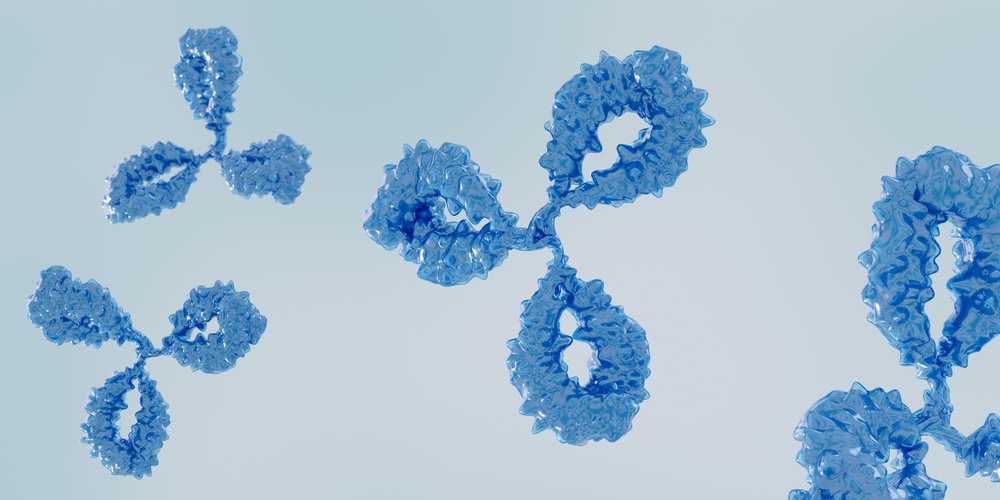
One of the most clinically actionable findings in neuroimmunology developmental disorders research is the identification of fetal brain-reactive antibodies in maternal circulation during pregnancy. These antibodies, generated by the maternal immune system, can cross the placenta and bind to fetal brain tissue during critical periods of development.
Research has identified specific maternal antibodies reactive to fetal brain proteins as a predictive factor for autism spectrum disorder. The mechanism is consistent with what neuroimmunology research demonstrates more broadly: when antibodies target neural tissue during development, they disrupt normal signaling and structural organization. The brain being built in that environment does not build normally.
For practitioners working with women of reproductive age or those planning pregnancy, this has immediate clinical implications. Autoimmune reactivity in the mother is not a risk confined to her own tissue. It is a prenatal exposure for the child. Dr. Kharrazian's coursework addresses how to identify immune dysregulation in these patients before pregnancy progresses, when intervention is still possible.
What Is Critical Load, and Why Does It Matter for Developmental Risk?
No single factor causes a developmental disorder. The concept of critical load — the cumulative threshold at which multiple risk factors collectively shift neurodevelopmental outcomes — is central to understanding why two children with similar genetic profiles can have vastly different presentations.
The factors that contribute to critical load include:
- Maternal inflammatory burden during pregnancy
- Presence of maternal brain-reactive antibodies
- Microbiome health in both mother and child
- Genetic polymorphisms affecting immune regulation and detoxification
- Environmental exposures that amplify immune dysregulation
Each factor individually may be insufficient to produce a disorder. Collectively, they push the developing brain past a threshold it cannot recover from in utero. This is why a clinical strategy focused on reducing any modifiable contributor — even one — can shift outcomes meaningfully. The goal is not to eliminate all risk. It is to reduce total load below the threshold where irreversible developmental impact occurs.
Dr. Kharrazian's clinical training applies this critical load model directly, giving practitioners a sequence of thought for identifying which modifiable factors are present in a given patient and how to prioritize intervention.
The Microbiome, Genetic Variation, and the Immune Environment of Development
Maternal microbiome health is not a peripheral consideration in developmental neurology. Research demonstrates that the maternal gut microbiome directly influences systemic immune tone during pregnancy. Dysbiosis drives intestinal permeability, which drives systemic inflammatory signaling, which reaches the fetal compartment. The chain is direct.
Genetic variation adds another layer. Polymorphisms in genes governing cytokine regulation, detoxification pathways, and methylation affect how aggressively the maternal immune system responds to a given environmental trigger. A mother with both microbiome disruption and relevant genetic variants faces a compounding risk profile that neither factor alone would predict.
This is where the interaction between environment and genetics becomes clinically meaningful rather than academically interesting. The environment does not simply interact with genes — in this context, it determines whether those genes produce an inflammatory cascade that reaches a developing brain. Practitioners trained in the neuroimmunology of developmental disorders learn to assess this intersection systematically rather than treating each factor in isolation.
Inflammation After Birth: ADHD and the Ongoing Immune Mechanism
The immune-brain relationship does not end at delivery. In children already born with compromised neurodevelopment, ongoing immune dysregulation continues to affect brain function through the same mechanisms — inflammatory cytokines interfering with neurotransmitter synthesis, neuroinflammation disrupting prefrontal cortical function, intestinal permeability sustaining systemic immune activation.
ADHD is an instructive example. Research in pediatric neuroimmunology demonstrates that children with ADHD show elevated inflammatory markers compared to neurotypical controls, and that inflammatory responses can directly impair dopaminergic and noradrenergic signaling — the same pathways targeted by pharmaceutical intervention. This does not mean every ADHD case is purely inflammatory in origin. It means that in a subset of patients, the behavioral presentation is downstream of an immune mechanism that medication addresses symptomatically but does not resolve.
For practitioners evaluating children with attention deficits, behavioral dysregulation, or language delays, identifying whether an ongoing inflammatory driver is present changes the treatment model entirely. Dr. Kharrazian's training covers the clinical assessment strategies for distinguishing neurologically-driven presentations from immunologically-driven ones — and how those categories overlap.
Clinical Application: Where Practitioners Can Intervene
The research on neuroimmunology and developmental disorders is not purely predictive. It points toward intervention windows that are available before, during, and after pregnancy.
Preconception optimization of maternal immune function addresses the risk before the developmental window opens. This includes identifying and reducing autoimmune reactivity, restoring microbiome integrity, reducing systemic inflammatory load, and addressing genetic variants that compromise immune regulation. These are not speculative interventions — they are evidence-based strategies with established mechanisms.
During pregnancy, monitoring for immune activation and managing inflammatory drivers remains relevant. After birth, the child's own immune environment becomes the primary target. Intestinal permeability, microbiome composition, and inflammatory tone are all modifiable in the pediatric patient, and research demonstrates their ongoing influence on brain function and behavior.
Dr. Kharrazian's clinical training gives practitioners a concrete sequence of thought for each of these phases: which markers to assess, how to interpret findings in the context of the larger clinical picture, and how to build personalized protocols that address the immune mechanisms driving developmental risk or active developmental impairment.
Key Takeaways
- Maternal immune dysregulation during pregnancy is one of the most significant and modifiable determinants of neurodevelopmental outcomes.
- Maternal brain-reactive antibodies have been identified as a predictive marker for autism spectrum disorder and represent a specific, testable risk factor.
- Critical load — the cumulative effect of multiple risk factors — determines developmental outcomes more reliably than any single variable.
- Inflammatory mechanisms do not end at birth; ongoing immune dysregulation in children continues to affect brain function in conditions like ADHD.
- Intervention is available at multiple points: preconception, during pregnancy, and in the postnatal period — each with distinct clinical strategies.
Frequently Asked Questions
Research in neuroimmunology demonstrates that maternal immune activation during pregnancy alters fetal brain development through inflammatory cytokines and brain-reactive antibodies. In children, ongoing immune dysregulation continues to affect neurotransmitter systems and brain function, contributing to behavioral and cognitive presentations associated with autism and ADHD.
Research supports preconception optimization of maternal immune function as a meaningful intervention. Reducing autoimmune reactivity, restoring microbiome integrity, and lowering systemic inflammatory load before pregnancy addresses risk before the critical window of fetal brain development opens.
Fetal brain antibodies are maternal immune proteins reactive to fetal brain tissue. Research has identified their presence in maternal circulation as a predictive factor for autism spectrum disorder. They can cross the placenta and disrupt normal neural development during sensitive periods, making them a specific and testable risk marker.
Maternal microbiome dysbiosis drives intestinal permeability and systemic inflammatory signaling that can reach the fetal compartment. In children, microbiome disruption sustains immune activation that affects brain function. Research demonstrates this relationship is bidirectional and ongoing, making microbiome health a relevant target at every developmental stage.
The Kharrazian Institute offers clinical training that translates neuroimmunology research into applicable protocols for practitioners working with developmental disorders, maternal health, and complex pediatric cases. The training covers assessment strategies, clinical interpretation, and protocol development for immune-driven presentations.
About the Author
Dr. Datis Kharrazian, PhD, DHSc, DC, MS, MMSc, FACN is a Harvard Medical School research fellow and researcher at Massachusetts General Hospital Department of Neurology specializing in autoimmunity and neuroimmunology. He serves as Associate Clinical Professor at Loma Linda University School of Medicine and is the author of Why Do I Still Have Thyroid Symptoms When My Lab Tests Are Normal and Why Isn't My Brain Working. He is a Fellow of the American College of Nutrition, a Diplomate of the Board of Nutrition Specialists, a member of the American Association of Immunologists, and a Fellow of the Royal Society of Medicine (UK). The Kharrazian Institute serves more than 5,000 physicians and healthcare providers worldwide.
Continue Your Clinical Training
The Kharrazian Institute offers practitioner courses in neuroimmunology, brain-immune interactions, and clinical strategies for complex pediatric and maternal health cases. Visit kharrazianinstitute.com to review current course offerings.