
by KI | Oct 22, 2026 | Advanced Clinical Topics, Blog
There is a dosing conversation in functional medicine that most training programs skip entirely. The distinction between nutritional support dosing and pharmacological-level nutraceutical dosing changes patient outcomes, risk profiles, and the clinical reasoning...

by KI | Oct 21, 2026 | Advanced Clinical Topics, Blog
Many functional medicine practitioners build their practices around supplement dispensing. The patient comes in, gets tested, receives a protocol, and buys the products. Revenue is tied to product sales. The model works until it doesn’t: margins shrink, patients...

by KI | Oct 20, 2026 | Advanced Clinical Topics, Blog
Prescribe hormones into a metabolically compromised patient and you are not replacing a deficiency – you are adding a signal to a system that cannot receive it. This is the clinical mistake that explains why so many patients on hormone replacement therapy report...

by Kharrazian Institute | Oct 20, 2026 | Blog
Matthew, a 43-year-old engineer, developed cyclical headaches, nausea, facial numbness, and autonomic symptoms after a fishing trip. Despite exhaustive conventional evaluations, including extensive workups at the Mayo Clinic, neurologist and gastroenterologist visits,...
by KI | Oct 19, 2026 | Advanced Clinical Topics, Blog
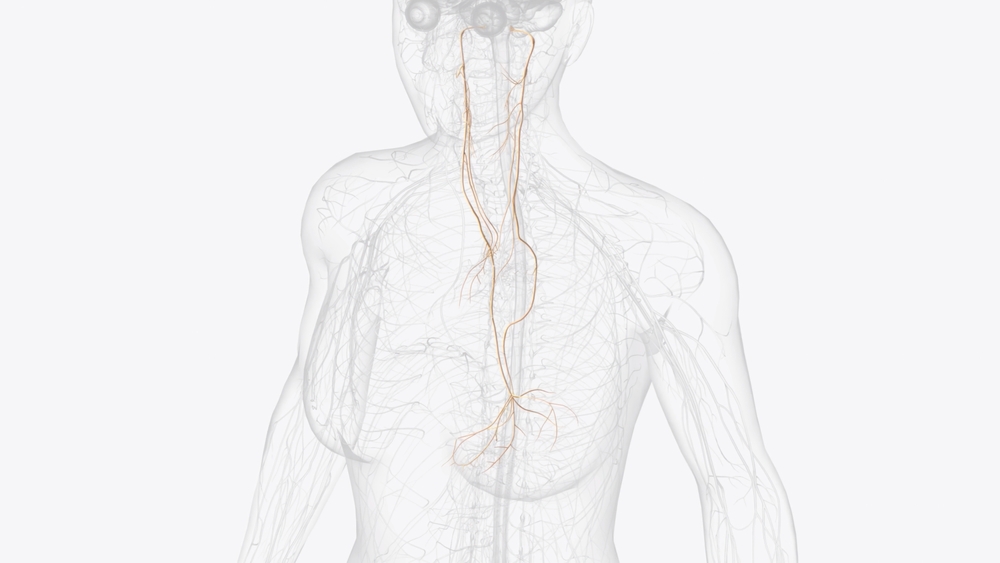
A practitioner treats a patient for years – prokinetics, elimination diets, motility agents, enzyme replacement – and the patient still cannot move food through their gut normally. The GI workup is negative for structural pathology. The gastroenterologist has run out...
by KI | Oct 18, 2026 | Advanced Clinical Topics, Blog
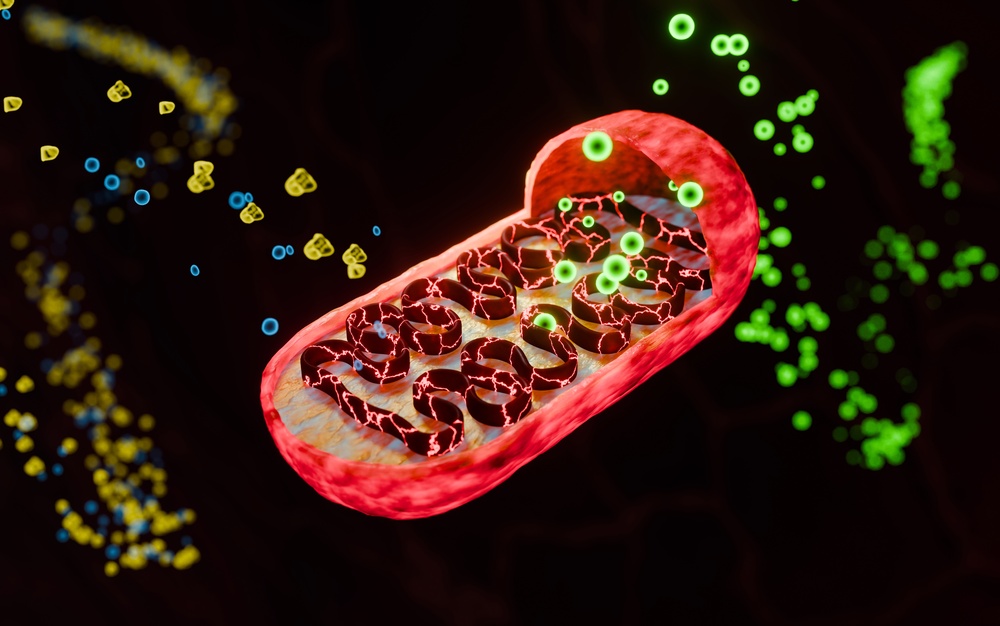
Most practitioners ordering a CMP already have mitochondrial uncoupling lab markers in front of them. They’re just not reading them that way. AST, ALT, lactate, ammonia – these values routinely appear on standard panels, and in the right clinical context, they tell a...
