Part of the Kharrazian Institute functional medicine certification
Childhood Development: A Pediatric Functional Medicine Course
Read a child's development, name where it stalled, and give the brain what it still needs.
A clinical course in the neurodevelopment behind ADHD, autism, dyslexia, and PANDAS, and the thought process for working up a child who is not developing on schedule, taught by Harvard-trained researcher and clinician Datis Kharrazian, PhD, DHSc, DC, MS, MMSc, FACN.
- 12 hours on-demand video
- 10 sessions
- for licensed and non-licensed practitioners
- part of the certification
★★★★★ "The most valuable training I've ever taken." — Kim Pellegri, FNTP, MRHP, CFMHC

Class Overview
Childhood developmental disorders keep rising, and most parents are handed two answers: wait and hope the child grows out of it, or blame a single cause. Pediatricians are often just as stuck. This course takes a different path. It looks at how the developing brain is actually being built, where that process stalls, and what diet, nutrition, and activation can still change. It teaches the neurodevelopment behind ADHD, autism, dyslexia, and PANDAS, and a clear sequence of thought for evaluating a child who is not developing on schedule.
★★★★★
After more than 35 years in clinical practice, I can say with confidence that this is the most rigorous and clinically impactful training I have completed.
Did You Know
- Autism now affects about one in 59 children, up from one in 150 in the year 2000. It begins before birth, yet most children are not diagnosed until around age four, when social and language deficits finally show.
- Neuron migration happens in the first 12 to 24 weeks of gestation and is permanent. Synaptic density and pruning keep changing into the early twenties, which is where later intervention still has room to work.
- In autism, the brain's immune cells stay primed, as if the brain had been injured. They over-prune healthy connections, the blood-brain barrier leaks, and the inflammation tends to worsen with age.
- After strep, antibody titers can stay elevated for a year. Each rise gets read as a new infection, when the driver is usually autoimmunity, not reinfection.
- Roughly half of children with autism show some regression or plateau, often around 18 months as the immune system matures.
Why It Matters
A mother sits across from you with a four-year-old who has lost words he used to say. She has a thick folder: a diagnosis, a waitlist for therapy, and a short appointment that ended in "let's watch it." She has read that it was the vaccines, or heavy metals, or something she ate. No one has told her how her child's brain actually develops, or what still can change.
This is where most families are failed. The disorder is rarely the mystery. ADHD, autism, and dyslexia are usually clear by the time a parent walks in. What is missing is a method: a way to read where the brain's construction stalled, and which parts are still open to influence.
Maternal health is the most overlooked piece of the picture, and folic acid and a prenatal vitamin do not cover it. These are the cases most practitioners refer out, and the families have few places to turn.
What You’ll Be Able to Do
Screen a child's development against milestones and primitive reflexes
Catch missed motor, sensory, language, and social milestones, and spot primitive reflexes that should have faded.
Read sensory behavior as a map of what the brain needs
Recognize when sensory-seeking signals a pathway asking for activation, and when over-responsivity signals neurons sitting near firing threshold.
Build an evidence-based plan for the ADHD brain
Work with diet, essential fatty acids, microbiome support, and targeted movement in a child whose frontal lobe is not finishing its development.
Recognize and support the inflammation signature of autism
Identify primed glial cells, intestinal permeability, and regression, then work in layers rather than reaching for a single protocol.
Differentiate active infection from autoimmune PANDAS
Separate a true bacterial flare from primed-glia reactivation, and stop the cycle of repeated antibiotics that disrupts the microbiome.
Counsel parents on lowering the critical load of risk
Help prospective and new mothers reduce the stacked prenatal and postnatal factors that push a child toward developmental delay.
About the Instructor
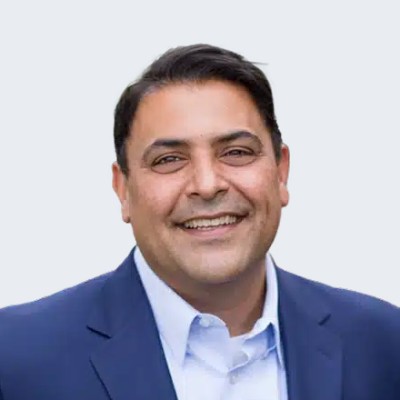
Datis Kharrazian, PhD, DHSc, DC, MS, MMSc, FACN
Dr. Kharrazian is a Harvard Medical School trained researcher, clinical research scientist, academic professor, and functional medicine health care provider. He earned a Master of Medical Science degree (MMSc) in Clinical Investigation from Harvard Medical School and is a member of the Harvard Medical Alumni Association and the American Association of Immunologists.
He is a Fellow of the American College of Nutrition. His clinical models of functional medicine are used by academic institutions and thousands of clinics worldwide.
For more than 25 years, Dr. Kharrazian has consulted with complex patients from around the world, refining the clinical sequence of thought this course teaches. He maintains a private practice near San Diego, California, focused on personalized care through diet, nutrition, and lifestyle.
Session Curriculum
Session 1: Introduction to Childhood Developmental Disorders
Session 2: Prenatal and Childhood Risk Factors for Developmental Disorders
Session 3: Dyslexia, Processing Disorders, and Other Learning Disabilities
Session 4: Attention Deficit Disorder and ADHD
Session 5: Part One Review and Clinical Q&A
Session 6: Autism Spectrum Disorder
Session 7: PANDAS, PANS, OCD, and Tourette Syndrome
Session 8: Clinical Evaluation and Treatment of Childhood Developmental Disorders
Session 9: Case Studies of Childhood Developmental Disorders
Session 10: Part Two Review and Clinical Q&A
This Course Includes
- 12 hours of on-demand video across 10 sessions
- Downloadable clinical assessment forms and resources, including the Metabolic Assessment Form and Brain Region Localization Form
- A recorded clinical Q&A session
- Counts toward the Kharrazian Institute Functional Medicine Certification (Basic and Advanced)
- Certification exam
- Certificate of completion
What Practitioners Say About the Kharrazian Institute
★★★★★
Amazing, brilliant knowledge, well organised, very comprehensive, and excellent foundational knowledge that builds with every module. You can do it at your own pace, making it cost-effective and rewarding.
★★★★★
I've been learning from Dr. Kharrazian since 2003, and his clinical framework has shaped the way I practice for over two decades. I highly recommend this program to any practitioner committed to truly leveling up their clinical care.
★★★★★
As a UK-based practitioner, the Kharrazian Institute courses have given me far greater depth and awareness in clinical cases than previous courses. Dr. Kharrazian has an unbelievable ability to translate complex science into practical, accessible knowledge we can apply in our practices.
Functional Medicine Certification and Education at the Kharrazian Institute
Childhood Development is one of the nineteen courses in the Kharrazian Institute certification, taught by Dr. Kharrazian for clinicians who work with pediatric and developmental cases.
A Kharrazian Institute subscription opens the Childhood Development course and the complete catalog, the practical way to build toward your functional medicine certification while you layer this work onto the neuroinflammation and autoimmunity material it draws on.
Your subscription includes
- Childhood Development plus all 19 Kharrazian Institute courses, more than 200 hours of functional medicine education
- Monthly Clinical Master Classes taught by leading functional medicine experts
- Full access to the 100-hour Clinical Mastery Program
- A members-only Q&A platform and practitioner community
- The Kharrazian Institute patient referral network
- Progress toward Kharrazian Institute certification
$399 per month, plus a one-time $995 enrollment fee. Cancel anytime.
What is functional medicine for childhood development?
Functional medicine for childhood development evaluates why a child's brain is not building on schedule, then works to support that process. It treats conditions like ADHD, autism, dyslexia, and PANDAS as patterns of neurodevelopment, not fixed labels. The clinician looks at the stacked risk factors, the state of the brain's energy and inflammation, and the diet, nutrition, and activation the brain still needs. The goal is to find where development stalled and give the brain what it needs to keep building.
How does pediatric functional medicine approach childhood developmental disorders?
The disorder is rarely the mystery. What is missing is a method: a way to read where the brain's construction stalled, and what still can change. Pediatric functional medicine supplies that method, asking not only what the child was diagnosed with, but which parts of brain development went off track and which remain open to influence.
Why do childhood developmental disorders keep increasing?
Dr. Kharrazian teaches these conditions through a critical load model. No single factor causes autism or ADHD. Multiple genes interact with multiple variables, and when enough stack up, the risk expresses.
Those variables are concrete. Maternal health before and during pregnancy, the mother's microbiome, infection and inflammation in utero, birth complications, diet, and environmental exposure after birth all add weight. Maternal health is the most overlooked of them, and folic acid and a prenatal vitamin do not cover it. Lowering the stack is often where prevention actually lives.
What does a developing brain need to build itself?
A brain builds when it is used. Activation drives synaptic branching, blood flow, mitochondrial growth, and the release of growth factors. When a child is not developing, the first question is whether the brain is getting enough of what it needs.
The course works through that list one requirement at a time. The brain needs activation and movement. It needs nutrition, and the most common gap is essential fatty acids, not calories. It needs a healthy microbiome, controlled inflammation, oxygen and blood flow, and stable blood sugar. Each requirement becomes a place to evaluate and a place to intervene.
How do you read a child's symptoms as signals?
Behavior that looks like misbehavior is often the brain reporting its own state. A child who seeks spinning, rocking, or deep pressure is showing which pathways want activation. The clinical rule is simple: whatever the child cannot do is what you want to work on.
Over-responsivity points the other way. When a child cannot tolerate sound or touch, those neurons are sitting close to firing threshold. They lack the mitochondrial energy to reset after firing, so they fatigue fast. Push them and the child tips into a meltdown. The same energy problem explains why stable blood sugar can change a child's whole day.
How does the autism brain differ, and what can be supported?
Autism begins in gestation. Neurons fail to migrate to the cortex, synaptic density drops, and the brain's immune cells stay primed instead of settling into a resting state. Those primed microglia over-prune healthy connections, the blood-brain barrier leaks, and postmortem studies show the inflammation worsening over the lifespan.
Regression fits this picture. Around 18 months, as a child's immune system matures, it can drive the primed brain into a sharper inflammatory response, and skills are lost. Support works in layers: stabilize brain energy and blood sugar first, then address glial priming and neuroinflammation, gut health, autoimmunity, and finally plasticity. There is no single protocol, and the course is direct about why.
When is PANDAS an infection, and when is it autoimmunity?
PANDAS and PANS are basal ganglia disorders. When an infection injures that circuit through molecular mimicry, gating fails, and the child develops sudden OCD, tics, anxiety, and rage.
The clinical trap is the antibody titer. After strep, titers can stay elevated for a year, so a later rise gets read as reinfection and treated with yet another antibiotic. Most of the time the original infection is long gone and the driver is autoimmunity and primed glia. Acute bacterial cases warrant treatment. Chronic ones need a shift toward restoring the barriers, the microbiome, and immune regulation.
How do you turn this into a treatment plan?
The course teaches a working sequence, not a protocol. Establish a strong baseline from symptoms, milestones, exam findings, and validated questionnaires. Choose one intervention. Reevaluate. Then repeat.
Just as important is the dynamic in the room. Dr. Kharrazian treats the relationship between parents, child, and clinician as part of the case, and insists both parents take part. Overwhelming a stressed family with ten changes at once is a recipe for failure. Slice the plan, work one priority at a time, and measure what moved.
For related reading, see Critical Windows for Brain Development in Children, Neuroimmunology in Childhood Developmental Disorders, Maternal Health Impact on Child Brain Development, and A Path Toward Better Brain Health: The Brain-Gut Axis.
Frequently Asked Questions
Who is the Childhood Development course for?
It is built for healthcare professionals who work with children and new parents, licensed and non-licensed. It serves clinicians who want a clear way to evaluate and support developmental disorders rather than refer every case out.
Where does Childhood Development fit in the certification pathway?
Childhood Development counts toward the Advanced designation of the Kharrazian Institute Functional Medicine Certification. It builds on the neuroinflammation and autoimmunity material, so those courses are useful groundwork before you take it.
Do I need an existing pediatric caseload to benefit?
No. Many practitioners take this course to counsel prospective and new parents on lowering risk before a child is ever diagnosed. Prevention work with mothers is a core part of what it teaches.
Is the course self-paced?
Yes. All 12 hours of video are on-demand, so you can work through the 10 sessions on your own schedule and return to the recorded clinical Q&A sessions as cases come up.
Does this course make me a specialist in autism or PANDAS?
It gives you a sound clinical method for evaluating and supporting these conditions, not a single-condition protocol. You will learn to read where development stalled across diagnoses and sequence your interventions accordingly.
Will I get downloadable tools I can use with patients?
Yes. The course includes clinical checklists and screening forms, among them a learning-disorder evaluation checklist and a diet-modification checklist, so you can apply the material directly.
Last updated: October 13, 2026