A hundred years ago, fewer than one in 20 Americans were over 65. Today, that number is one in six. This is a massive shift, essentially a “graying” of the nation, and it comes with unfortunate realities.
For example, two out of every three people over 65 will require long-term care before the end of their lives. And the length of time in care is almost double for women than for men (four years vs two years). This has created an urgent need for interventions to ensure not only that we are living longer, but also that those added years give us a good quality of life.
A lot of work is being done in this area, but peptide therapies present an especially promising intervention to not only extend life span but also healthspan.
What Are Peptides?
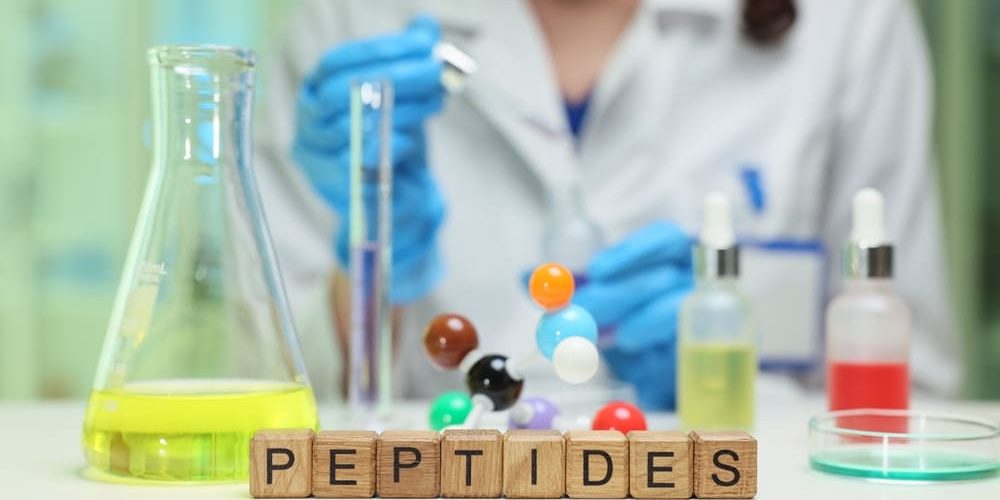
Peptides are short chains of amino acids that act as building blocks in the body. They occur naturally, and we also get them from the foods we eat. They differ from proteins in that they are smaller molecules that tend to have less well-defined structures.
You learned how to order labs, but it’s likely nobody taught you what to do when your protocols don’t work.
- When do you add peptides, and which ones, for which conditions?
- When does gut healing take two months versus 18?
- Why does one patient normalize on probiotics while another requires months of antimicrobial cycling?
Standard functional medicine education addresses these questions partially or not at all. As a result, clinicians default to trial-and-error protocols, patients plateau at partial recovery, and practitioners blame compliance rather than sequencing.
There is a better way.
“Precision Protocols Unlocked: Guide to Nutrigenetics & Peptide Mastery” with Dr. Rajka Milanovic Galbraith is a new Kharrazian Institute course that identifies exactly where your training gaps lie and fills them with decision trees, contraindication screening, and case-driven examples that show protocol assembly in real time.
Peptides play an important role in long-term health, helping with numerous functions in the body, including:
- Cellular signaling and communication
- Tissue repair and wound healing
- Balancing and strengthening the immune system
- Longevity and mitochondrial function
Our bodies naturally produce about 7,000 peptides, but as we age, that number goes down significantly. The goal of peptide therapy is to restore these levels naturally (or use synthetic versions) to trigger specific healing responses.
Why Are Peptides Important?
One of the biggest benefits of peptides, according to Dr. Rajka Galbraith (“Dr. Rajka” to her patients), is that they work fast. “What I like to tell my patients is that peptides are like sending a text message,” she says. “They get to the person right away.”
Unlike traditional medications or supplements that may take longer to process, peptides act as signaling molecules that tell cells and organs exactly what to do. This makes peptide therapy especially potent, allowing medical practitioners to create protocols that address patient intervention with speed and precision.
However, according to Dr. Rajka, peptide tolerance develops within weeks without cycling protocols, so they must be administered with knowledge and care.
What Are Key Peptides to Know About?
As mentioned above, peptides contribute to many of the body’s functions and systems. Some of the peptides the body naturally creates include:
- Insulin, used for processing sugar in the bloodstream
- Collagen peptides, necessary for building skin, bones, tendons, and ligaments
- Antimicrobial peptides, which fight bacteria and heal wounds in the skin
- Hormones like oxytocin (the “love hormone”) and kisspeptin
Synthetic peptides are often engineered to be more stable or targeted than their natural counterparts. Common synthetic peptides include:
- BPC-157: Often called the “Swiss Army Knife” of peptides, this synthetic version of a gastric peptide is used for gut healing, ligament repair, and reducing systemic inflammation
- GLP-1 agonists: A class of drugs including Semaglutide (Ozempic/Wegovy) and Tirzepatide (Zepbound) used to treat type 2 diabetes and obesity
- Dihexa: A synthetic peptide used to restore neuroplasticity and improve memory
- Ziconotide (Prialt): A peptide drug used for severe chronic pain
“Precision Protocols Unlocked: Guide to Nutrigenetics & Peptide Mastery” distills Dr. Rajka Milanovic Galbraith’s 25 years of treating resistant chronic disease into a replicable clinical system. You’ll learn four core competencies:
- Sequential foundation building that speeds up symptom relief without lengthy elimination diets.
- Nutrigenetics protocols matched to individual SNP patterns and whole blood histamine status.
- Peptide sourcing, dosing, and cycling that prevent tolerance and adverse events.
- Case-driven protocol systems for fatigue, autoimmunity, cognitive decline, and sexual dysfunction.
The course teaches why patients improve, not just which supplements to prescribe. Evidence comes from clinical outcomes, genetic mechanisms, and practitioner-tested sequencing protocols refined across thousands of patient encounters.
How Does Peptide Therapy Help with Anti-Aging and Longevity?
While peptides have a long history in medicine, using them to specifically target healthspan and longevity is a more modern approach. “I’ve been utilizing them for going on four years,” notes Dr. Rajka, “And we’re seeing some really good clinical outcomes.”
While a comprehensive list of anti-aging peptide therapies is beyond the scope of this article, a few prominent examples include:
- The peptide FOXO4-DRI, a specific senolytic therapy designed to eliminate senescent cells. It functions by unlocking a specific cell receptor site, which allows the “zombie” cell to finally undergo apoptosis and die.
- Peptides like Epitalon, which help regulate melatonin levels and protect telomeres, which are markers of cellular age.
- Peptides that support the mitochondria, such as SS-31, which help reverse the damage that makes us feel fatigued as we age.
Dr. Rajka offers one final—and important—note when it comes to sourcing peptides for use in these kinds of therapies. “All over the internet, you can buy peptides from various companies that aren’t regulated,” she says. “These are not the pharmacies that you want to be utilizing because you don’t know their purity. You want to be using sterile company pharmacies, either 503A or 503B, and make sure they’re tested for purity. The last thing you want to do is advise on a peptide, and it makes someone really sick.”
Precision Protocols Unlocked: Guide to Nutrigenetics & Peptide Mastery with Dr. Rajka Milanovic Galbraith
Chronological aging may be inevitable, but that doesn’t mean we have to sacrifice quality of life as we age. With the advent of peptide therapies for longevity, medical practitioners have exciting new strategies at our fingertips that can help our patients live fuller, longer lives.
If learning more about peptide therapy’s role in longevity piques your interest, you’ll want to check out our newest Kharrazian Institute Master Class, “Precision Protocols Unlocked: Guide to Nutrigenetics & Peptide Mastery,” with Dr. Rajka Milanovic Galbraith.
In addition to peptide fundamentals and clinical applications, the course covers:
- Foundation-building sequencing
- Methylation pathway optimization
- Oxidative stress and hormone metabolism
- Healthspan and cognition protocols
- Real-world case assembly
You’ll understand why one practitioner’s protocol fails in your patient but works for another’s, and how to modify it based on genetic data and whole-blood histamine status.
This course is your ticket to start reversing disease at the cellular level. Register for this exciting new master class today!
Dr. Rajka Milanovic Galbraith is a renowned functional medicine physician, award-winning international speaker, and best-selling author of Energized: Feel Fantastic Forever. She is board-certified in Family Medicine and certified in Functional Medicine by IFM and is a leading expert in hormone therapy, longevity, peptides, and nutrigenetics.
Frequently Asked Questions
Why are peptides considered “signaling molecules”?
Peptides act like text messages for the body. These short chains of amino acids bind quickly to cell receptors. This triggers immediate cellular responses, such as tissue repair or immune modulation. For practitioners, this means you can influence a patient’s physiology with much higher speed and precision than traditional interventions.
How do I prevent patients from developing a tolerance to peptide therapy?
The body can become desensitized to peptides if they are used continuously, with tolerance often developing within just a few weeks. To maintain efficacy, practitioners must implement specific cycling protocols to keep the cellular receptors responsive.
How do peptides specifically support a longevity and healthspan protocol?
Peptides address the cellular drivers of aging. For example, senolytic peptides like FOXO4-DRI help the body clear out “zombie” cells that cause inflammation. Others, like SS-31, target mitochondrial dysfunction to improve energy production. By using these targeted tools, you can help patients maintain a high quality of life well into their senior years.
How do I safely integrate peptide therapy into my current patient protocols?
“Precision Protocols Unlocked: Guide to Nutrigenetics & Peptide Mastery,” taught by Dr. Rajka Milanovic Galbraith, provides the exact decision trees and dosing schedules you need. You will learn how to sequence peptides with nutrigenetics to fill your training gaps and achieve better clinical outcomes. Click here to register for the Master Class today.