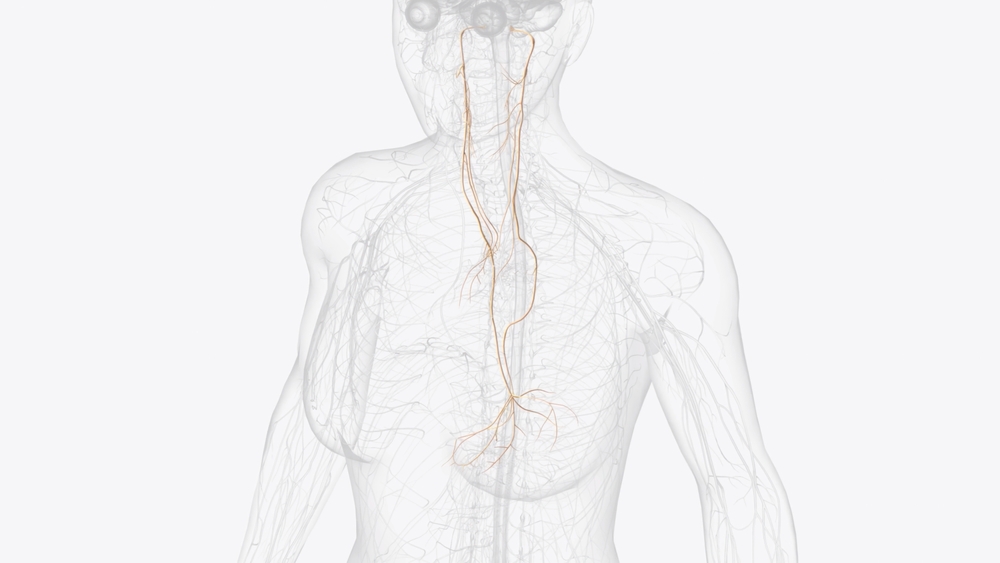
Matthew, a 43-year-old engineer, developed cyclical headaches, nausea, facial numbness, and autonomic symptoms after a fishing trip. Despite exhaustive conventional evaluations, including extensive workups at the Mayo Clinic, neurologist and gastroenterologist visits, and an initial stool test that returned normal, doctors could find nothing wrong with him. It wasn’t until a second, specialty laboratory ran another stool sample that the underlying cause was identified: a rare amoebic parasite.
This story illustrates a common dilemma among practitioners: Send two stool samples from the same patient to two different laboratories, and you will often receive two radically different diagnoses. The reason this happens is that there is no single “gold standard” in commercial microbiome profiling. Each methodology—from targeted molecular amplification to culturing and genomic sequencing—measures an entirely different set of variables.
Who’s Who in the Zoo: The Technology Matrix
As a functional gastroenterologist, overcoming this dilemma requires understanding the strengths and weaknesses of each testing methodology. This knowledge allows you to select the specific test that answers your actual clinical questions.
For example, targeted qPCR & 16S rRNA sequencing is an excellent option for fast, cost-effective profiling of known bacteria. However, the test can only identify what it is programmed to find. Anything else remains invisible.
Shotgun metagenomics is another common testing approach. Strengths of this method include its unbiased sequencing of microbial DNA down to species and strain levels, including viruses and fungi. But the methodology suffers from extremely complex data, lack of standard clinical reference ranges, and high cost.
There’s also the question of when to use a culture vs microscopy. Stool cultures are vital for running botanical and pharmaceutical susceptibility testing on bacteria, but they miss over 90 percent of normal gut bugs. As for microscopy, having a trained technician examine a sample directly under a microscope is still essential. It allows them to visually spot parasites, eggs, and single-celled organisms that automated DNA tests frequently overlook.
There is no one-size-fits-all answer to which methodology you use. It all depends on what questions you are looking to answer.
When evaluating complex GI cases, choosing the wrong laboratory methodology can lead to false negatives and misdirected protocols. In the latest Kharrazian Institute Master Class, “Digestive Assessment for Complex Cases,” Dr. Liz Lipski compares sequencing, culture, and microscopy methods and teaches how to choose the test that best addresses your clinical questions.
When you take Dr. Lipski’s course, you will learn to:
- Match specific lab methodologies to your actual clinical questions
- Identify why parasite detection rates vary by laboratory
- Interpret discordant microbiome data with clinical confidence
- And more…
You don’t have to experience the frustration of interpreting competing lab results—there is a better way. Master stool test selection in Dr. Lipski’s master class. Click here to enroll today.
The Parasite in the Room: A Blind Spot in Modern Diagnostics
Identifying a gut parasite can be an exceptionally challenging endeavor, and standard clinical screenings regularly miss them (like in our opening story).
Standard ova and parasite screens frequently return false negatives for several reasons. For one, parasites shed intermittently, and collecting a stool sample on a non-shedding day will show no evidence of infection. A second, related problem is relying on single-sample protocols, which could miss an infection if the parasite’s life cycle aligns just so. Third, technicians in busy labs only spend a few minutes—often less than five—examining each slide due to high throughput. An overworked tech having a bad day might just miss something through no fault of her own.
But just because you might get a false negative from a standard lab test doesn’t mean every negative test result should be suspect—most aren’t. So when should you push beyond standard panels and seek out a functional stool test specialized in catching parasites? Clinical red flags include:
- Cyclical symptom flare-ups
- History of (or recent) international travel
- Stubborn digestive distress that fails standard antibacterial protocols
Where do you begin when a complex GI patient presents with multiple overlapping digestive complaints? Treating every symptom simultaneously often leads to protocol failure and patient setbacks. What you need is a clinical road map outlining what to do when.
In “Digestive Assessment for Complex Cases,” Dr. Liz Lipski shares her assessment framework and teaches clinicians how to systematically sequence care based on physiological priority rather than symptom labels.
What’s more, when you take the course, you’ll gain access to tools to help you implement this framework in your practice:
- A downloadable Digestive Health Appraisal Questionnaire
- A scoring system to rank 10 distinct digestive domains at intake
- Strategies to pinpoint which anatomical zone to address first
Streamline your clinical intake sequence and start helping your toughest GI patients. Register for Dr. Lipski’s Master Class today.
Bridging the Gap: Matching Lab Data to Elimination Diets
Elimination diets represent another challenge in the world of conflicting GI lab testing. Rather than selecting diets through clinical guesswork, it is important to prescribe them based on specific functional stool markers.
For severe gas and bloating due to fermentative dysbiosis or methanogen overgrowth, use a Low-FODMAP Diet for 2–6 weeks to temporarily remove the fermentable sugars and fibers that gas-producing microbes feed on. This helps to starve out overgrowths and rapidly reduce abdominal bloating.
For gut inflammation and lining damage due to elevated calprotectin and lysozyme, use the specific carbohydrate diet (SCD). An inflamed, damaged gut lining loses the specific enzymes needed to break down complex starches and double-sugars. Removing these complex carbohydrates takes the burden off digestion and gives the intestinal lining time to heal.
And for immune reactivity and allergy triggers due to elevated secretory IgA and eosinophils, use a six-food elimination diet (SFED). Elevated immune and allergic markers in stool show that the gut is actively reacting to food proteins. Removing the top six most common food triggers (such as dairy, gluten, soy, eggs, nuts, and seafood) calms immune activation and removes the source of irritation.
One final note on elimination diets: They are designed to be diagnostic and therapeutic interventions, not permanent lifestyles. Long-term restriction can diminish microbial diversity, and it risks driving behaviors related to eating disorders.
Introducing “Digestive Assessment for Complex Cases” by Dr. Liz Lipski
GI testing can be a complex endeavor, especially for tough cases. Different labs use different criteria and often answer completely different questions. As practitioners, it is critical to understand the finer details of laboratory methodologies, lest we unwittingly miss key diagnoses and prescribe ineffective protocols for our patients.
Dr. Liz Lipski’s newest Kharrazian Institute Master Class, “Digestive Assessment for Complex Cases,” provides a needed resource for GI assessment answers. Dr. Lipski has distilled three decades of clinical expertise into a logical diagnostic sequence designed for complex GI cases where conventional testing fails to provide answers. By moving beyond symptom labels and evaluating digestive capacity, barrier integrity, and the microbiome in strict physiological order, you can eliminate diagnostic guesswork, avoid misinterpreting differing stool tests, and match therapeutic protocols to exact diagnoses. Equip your practice with research-based assessment tools, clinical questionnaires, and comparative lab matrices and bring clarity to your most challenging patients.
Liz Lipski holds a PhD in Clinical Nutrition from the Union Institute and is a Fellow of the American College of Nutrition (FACN). Dr. Lipski holds dual board certifications in clinical nutrition (CNS and BCHN), is certified in functional medicine (IFMCP), and is a Cochrane member. She retired in 2022 as Professor and Director of Educational Development for the Nutrition programs at Maryland University of Integrative Health. She continues to teach in the Gastrointestinal Modules at the Institute for Functional Medicine.
Frequently Asked Questions
Why do different laboratories often yield conflicting stool test results for the same patient?
Commercial microbiome testing relies on different analytical technologies. Methods such as targeted qPCR, shotgun metagenomics, culture, and manual microscopy each measure distinct clinical variables. Because there is no single "gold standard" methodology, one test may highlight specific genomic markers while another detects live cultures or visually identifies organisms that molecular sequencing missed.
How can I avoid false-negative parasite results in complex GI cases?
Standard single-sample screenings often miss parasites due to intermittent shedding, tight life cycles, or rapid technician review times. To improve detection, consider using specialized functional laboratories when red flags appear, such as cyclical symptom flare-ups, recent travel, or chronic issues that do not respond to antibacterial protocols.
How do functional stool markers guide the selection of therapeutic elimination diets?
Rather than relying on empirical guesswork, match specific lab markers to targeted diets. The Low-FODMAP Diet is best for elevated fermentative dysbiosis or methanogen markers causing severe gas and bloating. The specific carbohydrate diet (SCD) is best for elevated calprotectin or lysozyme, which signal mucosal inflammation and impaired enzyme capacity. The six-food elimination diet (SFED) is best for elevated secretory IgA or eosinophils, indicating active immune reactivity to dietary proteins.
How can I master stool test selection and build clear diagnostic protocols for my toughest patients?
Navigating conflicting lab results and complex GI presentations requires a systematic, priority-based framework. In the Kharrazian Institute Master Class, “Digestive Assessment for Complex Cases,” Dr. Liz Lipski teaches how to evaluate comparative lab matrices, sequence patient care by physiological priority, and confidently select the right diagnostic tests. Click here to enroll today.