Most practitioners already know what it feels like to sit across from a patient carrying a folder of abnormal labs, three prior diagnoses that don't fully explain the presentation, and a symptom list that spans four organ systems. The clinical instinct is to start somewhere. The problem is that starting in the wrong place — treating the most obvious or most recent symptom first — often produces minimal improvement and erodes patient trust.
The Kharrazian Institute trains practitioners specifically in this territory. Dr. Datis Kharrazian's clinical education addresses the sequence of thought required to manage patients whose physiology is dysregulated across multiple systems simultaneously. The goal isn't to treat every problem at once. It's to identify which dysfunctions are driving the others and intervene there first.
Why Clinical Triage Matters in Complex Functional Medicine Cases
Triage, in the conventional sense, means sorting by urgency. In functional medicine, urgency has a different meaning. The most urgent problem isn't always the one causing the most symptoms — it's the one whose resolution will produce the most downstream improvement.
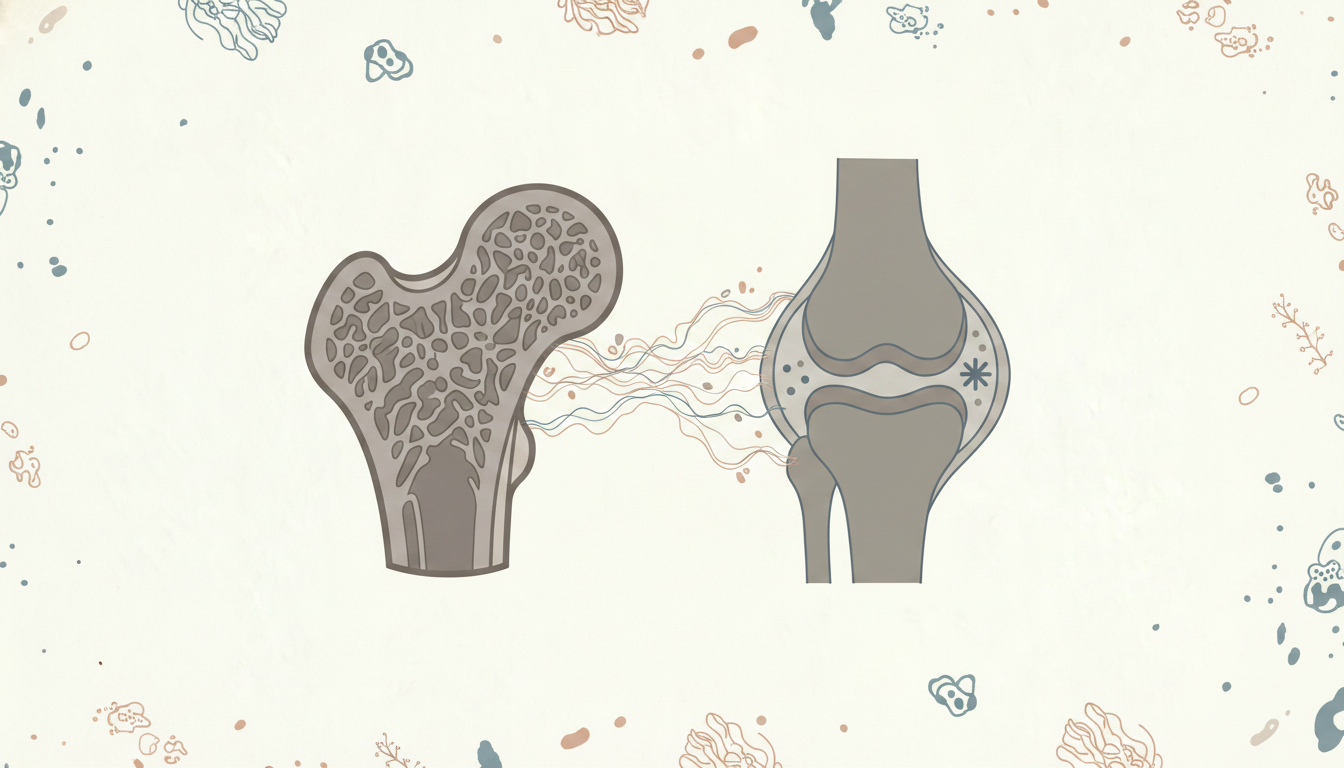
Research in systems biology demonstrates that physiological dysfunctions rarely exist in isolation. Intestinal permeability activates systemic immune responses that increase neuroinflammation. Chronic neuroinflammation impairs HPA axis regulation, which disrupts cortisol output and destabilizes blood sugar. Dysregulated blood sugar accelerates oxidative stress in mitochondria and reduces ATP production. Lower ATP output slows gut motility, which worsens microbial balance and intestinal permeability. The cycle completes and compounds.
A practitioner treating the blood sugar dysregulation without addressing intestinal permeability will get partial results. Clinical triage in functional medicine means identifying which node in that web, when addressed, interrupts the most interconnected dysfunction.
Is the Patient a Functional Medicine Candidate?
Before any clinical triage begins, the practitioner needs to answer a prior question: is this patient positioned to engage with the functional medicine model?
This isn't gatekeeping. It's clinical realism. Functional medicine protocols require active patient participation — dietary modifications, sleep hygiene, supplement adherence, stress reduction, and follow-through on retesting. A patient who is not ready, willing, or resourced to make those changes will not achieve meaningful outcomes regardless of how sophisticated the clinical analysis is.
Candidate evaluation involves assessing three things. First, does the patient understand that functional medicine addresses root causes and that the process takes time? Second, are they able and willing to make the behavioral and dietary changes the protocol will require? Third, do they have access to the labs, supplements, and follow-up appointments the protocol depends on?
Patients who score low across these three dimensions are better served by conventional management until their circumstances or readiness changes. This is not a failure — it's appropriate triage at the intake level.
Building a Comprehensive Clinical History Before Ordering a Single Lab
The patient history is the most under-utilized diagnostic instrument in complex case management. Practitioners who move quickly to labs often miss the narrative that makes the lab findings interpretable.
A structured history for complex multi-symptom patients should capture onset timing and sequence. Which symptom appeared first? What changed in the patient's life — geographically, occupationally, relationally, or nutritionally — in the six to eighteen months before symptom onset? Environmental exposures, prior antibiotic use, significant infections, trauma history, and changes in living situation all carry diagnostic weight in functional medicine.
The sequence of symptom emergence often points directly to the originating dysfunction. A patient whose digestive symptoms preceded mood changes and joint pain by two years is presenting a very different clinical picture than a patient whose mood changes preceded all other symptoms. The history tells the practitioner which system to investigate first.
Dr. Kharrazian's clinical training teaches practitioners to treat the history as a timeline, not a list. Plotting symptoms against life events on a visual timeline frequently reveals the triggering mechanism that a checklist intake form will miss entirely.
How to Prioritize Organ System Assessment in Multi-System Cases
Once the history is complete, the practitioner needs a sequence of thought for determining which physiological systems to assess and in what order. Functional medicine research identifies several systems whose dysfunction tends to generate cascading effects across other systems. These are the systems to evaluate first.
Gut function is typically the highest-priority starting point. Intestinal permeability, dysbiosis, and impaired digestive enzyme activity all have documented systemic consequences that extend well beyond the gastrointestinal tract. Research in mucosal immunology demonstrates that gut barrier compromise activates systemic immune responses, triggers molecular mimicry mechanisms in autoimmune conditions, and increases the total inflammatory burden the liver must process.
Thyroid function is the second high-priority system in the majority of complex cases. Low thyroid function slows virtually every other physiological process — liver detoxification, gut motility, mitochondrial ATP output, and neurotransmitter production. A practitioner who normalizes gut barrier function but misses underlying hypothyroidism will watch improvement plateau.
Adrenal and HPA axis function follows. Chronic psychological and physiological stress dysregulates cortisol output patterns in ways that impair immune regulation, destabilize blood sugar, and increase systemic inflammation. The HPA axis is both a driver of dysfunction and a consequence of it, which means its assessment informs treatment sequencing at every stage.
Blood sugar regulation, mitochondrial function, and neurological health round out the core assessment sequence. The specific order within these will depend on what the history and initial labs reveal.
Using Standard and Functional Lab Evaluation Together
Complex cases require both conventional and functional laboratory evaluation. Neither alone is sufficient.
Conventional labs establish baselines and rule out pathology that requires referral or immediate medical management. A practitioner who skips conventional evaluation in a complex case is missing a clinical safety net. Standard CBC, CMP, thyroid panel, and inflammatory markers belong in every initial workup.
Functional lab evaluation adds interpretive depth. The difference isn't just which tests are ordered — it's how the results are interpreted. Functional medicine uses narrower reference ranges derived from research on optimal physiological function rather than the population averages that define conventional normal ranges. A TSH of 3.8 mIU/L falls within the conventional reference range at most labs. Research in thyroid physiology suggests optimal TSH sits between 1.0 and 2.0 mIU/L in a symptomatic patient. That distinction changes the clinical picture entirely.
Dr. Kharrazian's coursework at the Kharrazian Institute trains practitioners in functional interpretation of standard labs — recognizing patterns of subclinical dysfunction before they progress to diagnosable pathology. This is where complex cases are frequently lost in conventional medicine: the labs look "normal," the patient is told nothing is wrong, and the underlying dysfunction continues to compound.
Prioritizing Interventions Based on Systemic Impact
After assessment identifies multiple dysfunctions, the practitioner faces the most clinically demanding decision: what to address first, what to address simultaneously, and what to defer.
The prioritization sequence should follow systemic impact. Begin with interventions that reduce the total physiological burden — reducing inflammation, supporting gut barrier integrity, stabilizing blood sugar, and addressing nutritional deficiencies that are compounding dysfunction across multiple systems. These foundational interventions improve the patient's capacity to respond to everything that follows.
Interventions targeting specific organ system dysfunction come next. Thyroid support, adrenal protocols, and mitochondrial support are sequenced based on what the labs and history indicate is driving the most dysfunction.
Attempting to address everything simultaneously overwhelms patient compliance and makes it impossible to identify which intervention produced which outcome. The inability to isolate variables is one of the most common reasons complex case management fails to generate durable results.
Monitoring, Reassessment, and Protocol Adjustment
Clinical triage is not a one-time event at intake. It's a continuous process throughout treatment.
Reassessment intervals should be built into the treatment plan at the outset — typically at six to eight weeks for initial functional protocols. At each reassessment, the practitioner evaluates which symptoms have responded, which labs have shifted, and whether the initial clinical hypothesis is being confirmed or needs revision.
Patients who are not responding to a well-implemented protocol are telling the practitioner something specific: either there is a diagnosis that hasn't been identified, there is a compliance barrier that hasn't been addressed, or the prioritization of interventions needs to be reconsidered. Non-response is diagnostic information.
The research synthesized in Dr. Kharrazian's coursework emphasizes that complex chronic patients often have overlapping dysfunctions that reveal themselves sequentially. As the most severe dysfunction resolves, the next layer becomes visible. A practitioner who expects linear, simultaneous resolution of all symptoms will misread a patient who is, in fact, progressing appropriately.
Key Takeaways
- Clinical triage in functional medicine means identifying which dysfunctions are driving systemic cascades, not simply treating the most symptomatic problem first.
- Patient candidacy evaluation — readiness, willingness, and resources — belongs at intake, before any clinical protocol is designed.
- The patient history, structured as a timeline of symptom emergence against life events, frequently identifies the originating dysfunction more accurately than labs alone.
- Gut integrity, thyroid function, and HPA axis regulation are typically the highest-priority systems to assess in complex multi-symptom cases due to their downstream systemic effects.
- Non-response to a well-implemented protocol is diagnostic information. It indicates an unidentified diagnosis, a compliance barrier, or a need to revise intervention prioritization.
Frequently Asked Questions
Clinical triage in functional medicine refers to the process of identifying which physiological dysfunctions are driving systemic cascades and intervening there first. Rather than treating each symptom individually, practitioners prioritize the dysfunctions whose resolution will produce the most downstream improvement across multiple systems.
Prioritization follows systemic impact. Foundational interventions that reduce total physiological burden — gut barrier support, blood sugar stabilization, nutritional repletion — come first. Organ-specific protocols are sequenced based on what the history and labs indicate is driving the most interconnected dysfunction.
Labs provide data points. History provides the sequence and context that makes data interpretable. The order in which symptoms emerged, and what changed in the patient's life before onset, frequently identifies the originating dysfunction that lab values alone cannot isolate.
A functional medicine candidate understands that the process addresses root causes and requires time, is willing and able to make dietary and behavioral changes, and has access to the labs, supplements, and follow-up appointments the protocol requires. Patients not meeting these criteria are better served by conventional management until readiness changes.
Initial reassessment at six to eight weeks is standard practice. Reassessment evaluates symptom response, lab shifts, and whether the clinical hypothesis is confirmed. Non-response at that interval is treated as diagnostic information requiring protocol revision, not patient failure.
About the Author
Dr. Datis Kharrazian, PhD, DHSc, DC, MS, MMSc, FACN is a Harvard Medical School research fellow and researcher at Massachusetts General Hospital's Department of Neurology, specializing in autoimmunity and neuroimmunology. He serves as Associate Clinical Professor at Loma Linda University School of Medicine and is the author of Why Do I Still Have Thyroid Symptoms When My Lab Tests Are Normal and Why Isn't My Brain Working. He is a Fellow of the American College of Nutrition, a Diplomate of the Board of Nutrition Specialists, a member of the American Association of Immunologists, and a Fellow of the Royal Society of Medicine (UK). The Kharrazian Institute serves more than 5,000 physicians and healthcare providers worldwide.
Advance Your Complex Case Management Skills
The Kharrazian Institute offers advanced clinical training in functional medicine case management, including systematic approaches to multi-system patient assessment, lab interpretation, and protocol prioritization. Explore current courses at the Kharrazian Institute to implement these clinical strategies in your practice.