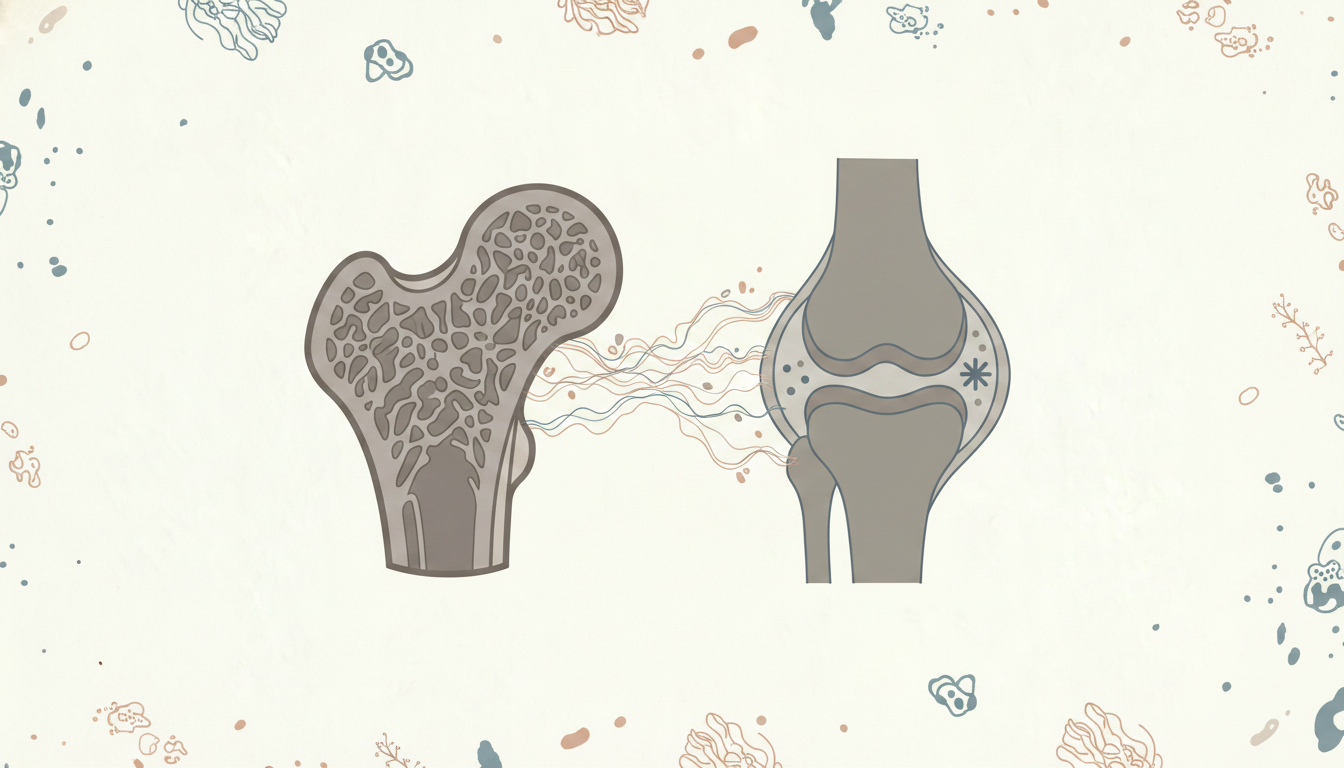
If you are evaluating functional medicine training programs, the Kharrazian Institute (KI) and the Institute for Functional Medicine (IFM) are likely on your list. Both train licensed healthcare practitioners in functional medicine principles. Both offer certification. Both have been doing this for years. The similarities end there.
The programs differ in structure, clinical depth, cost, format, and what you walk away able to do on Monday morning. This page lays out the facts so you can determine which program fits your clinical goals, schedule, and budget.
Program Structure and Hours
IFM's certification pathway is built around conference-style courses. The foundational course, Applying Functional Medicine in Clinical Practice (AFMCP), is a five-day intensive. From there, practitioners complete five Advanced Practice Modules (APMs) covering GI, Immune, Hormone, Cardiometabolic, and Energy topics. Each APM is a separate multi-day event. After completing all courses, candidates submit clinical cases and pass a certification exam.
The Kharrazian Institute is a four-pillar system designed around continuous clinical development rather than individual conference events. It includes 19 foundational courses (200 hours) taught by Dr. Datis Kharrazian, monthly five-hour Master Classes led by rotating expert clinicians, the Clinical Mastership Training Program with 20 modules and over 100 hours of grand rounds, and a private peer-to-peer forum with access to practitioners worldwide. KI offers two certification tiers: the Certified Functional Medicine Clinician (CFMC) at 68 hours and the Advanced Functional Medicine Clinician (AFMC) at 300 hours, the latter being the most comprehensive credential available in the field.
Teaching Approach
IFM's APM courses are lecture-based conferences with case-study components. The learning happens in concentrated bursts spread across months or years, depending on how quickly a practitioner can attend each event.
KI's model is different in kind, not just in degree. Every foundational course teaches a clinical sequence of thought for identifying and addressing the mechanisms driving a patient's condition, not isolated protocols for isolated diagnoses. The Clinical Mastership Training Program goes further: Dr. Kharrazian walks through his entire clinical workup for real patient referrals, from history to physical examination to lab analysis to protocol design to follow-up modifications and outcomes. Practitioners observe the full arc of clinical decision-making, including what didn't work and why.
The monthly Master Classes keep the curriculum evolving. Each features a different expert sharing the protocols they use in their own practice. This means the content base grows every month rather than remaining static between conference cycles.
Clinical Depth
IFM covers five broad clinical areas through its APM modules. The approach is designed to introduce functional medicine concepts across body systems.
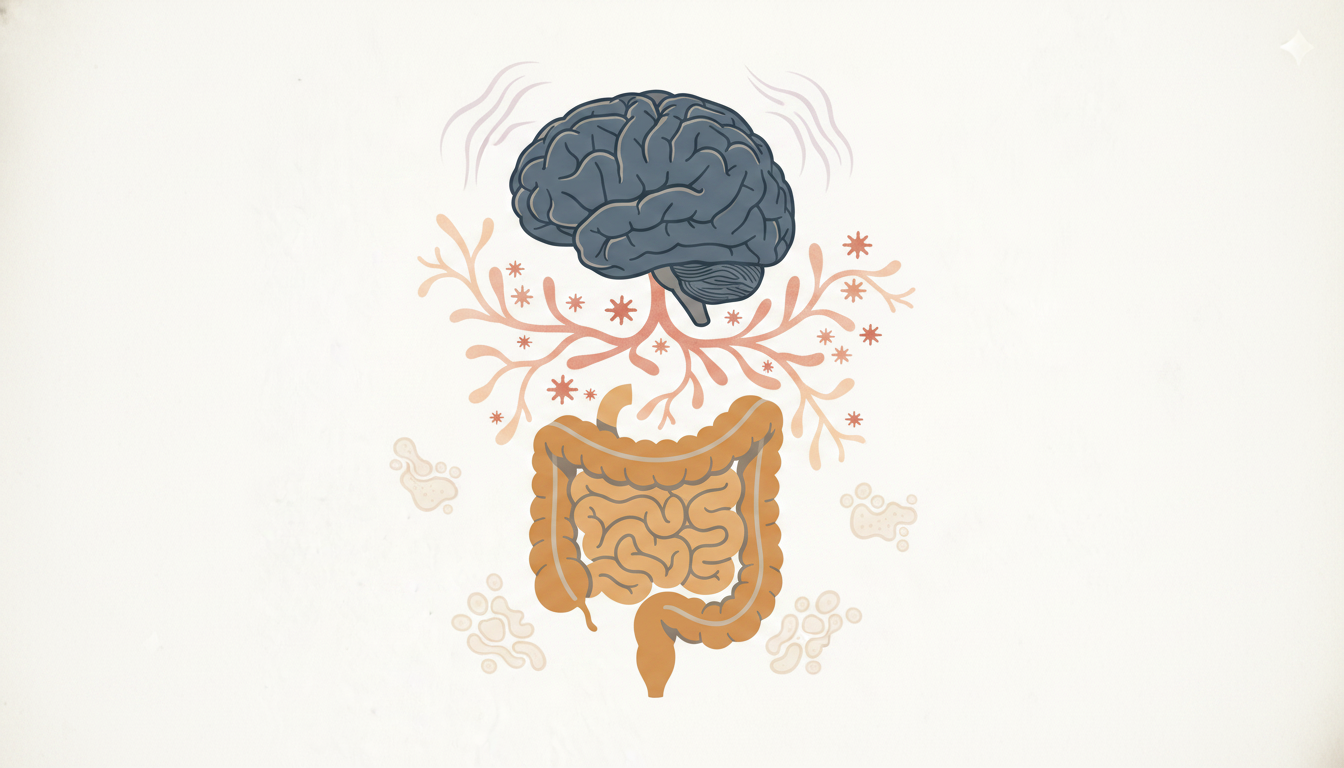
KI covers 19 clinical topic areas, including neuroinflammation, autoimmunity, Hashimoto's hypothyroidism, cognitive decline and dementia, mood and anxiety disorders, chronic infections, childhood developmental disorders, and cardiovascular and neurovascular syndromes. Several of these topics, particularly the neurological applications, are not covered in comparable depth by any other functional medicine training program. Dr. Kharrazian's research background at Harvard Medical School in neuroimmunology and his clinical focus on brain-body integration give the KI curriculum a level of specificity that a broader survey program cannot match.
Format and Accessibility
IFM offers both in-person and virtual options for its courses, but the program was built around the live conference model. Attending in-person means travel, hotel, and time away from practice in addition to course fees.
KI is fully on-demand. All 19 foundational courses are available immediately upon enrollment. Master Classes are streamed live and added to the portal as replays. Practitioners can study on their own schedule without closing their practice for a week to attend a conference. New Master Classes, expert interviews, and grand rounds modules are added continuously.
Cost
IFM's full certification pathway, including all APM courses and the certification exam, typically runs between $15,000 and $25,000 depending on member pricing and format. Each APM is purchased separately, and live attendance adds travel costs.
KI membership is $399 per month or $3,999 per year, with a $995 one-time setup fee on the monthly plan. The annual plan saves $1,784. Membership includes access to the entire course library, all Master Classes, the Clinical Mastership Training Program, the peer-to-peer forum, and the certification pathway. There are no separate course fees, no conference registrations, and no travel costs. Practitioners who start with the free 7-day trial can subscribe at $299 per month with the enrollment fee waived.
CE and CME Accreditation
IFM holds ACCME accreditation with commendation, the highest level of recognition from the Accreditation Council for Continuing Medical Education. IFM courses qualify for AMA PRA Category 1 Credits.
KI is an approved Continuing Professional Development (CPD) provider recognized in the United Kingdom and over 50 countries. CE credit approvals vary by license type, with specific approvals for DCs, NDs, acupuncturists, and medical physicians (MD, DO, PA, NP). Practitioners should verify their specific state and license requirements before enrolling in either program.
Certification Credentials
IFM recently transitioned from the IFMCP credential to two new designations: FMCP-M for practitioners with prescriptive authority and FMCP for other licensed professionals. Certification requires completion of all courses, case submissions, and a written exam.
KI offers four credentials based on licensure status and hours completed. Licensed practitioners earn the CFMC (68 hours) or AFMC (300 hours). Non-licensed health consultants and certified nutritionists earn the CFMHC or AFMHC. Annual recertification requires 12 hours of Master Class or coursework per calendar year with no recertification fee. All certified practitioners are listed on the KI Practitioner Locator, which is promoted through advertising and email marketing.
Who Each Program Serves Best
IFM is the most institutionally recognized name in functional medicine education. For practitioners who value ACCME accreditation specifically, or who work in hospital or academic settings where ACCME-accredited CME is required, IFM's credential carries established institutional weight.
KI serves practitioners who want the deepest available clinical training in functional medicine, particularly those managing complex chronic cases that require system integration across multiple physiological pathways. The on-demand format, the breadth of 19 clinical topic areas, the ongoing Master Class series, and the real-case grand rounds program make it the more comprehensive and continuously evolving platform. The cost structure also makes it accessible to practitioners who cannot invest $15,000 to $25,000 upfront.
Both programs train serious clinicians. The question is what kind of training matches your clinical goals, your schedule, and how you learn best.
Explore the Kharrazian Institute program overview or start a free 7-day trial to see the platform for yourself.