Chronic joint pain, degenerative bone conditions, and muscle dysfunction account for a significant share of the cases that drive patients to seek help beyond conventional medicine. The standard approach is familiar: imaging, anti-inflammatory medications, physical therapy, and eventually surgical consultation. For many patients, that pathway manages symptoms without addressing the mechanisms that are driving the degeneration.
Functional medicine adds a different set of questions to the workup.
What Standard Approaches Miss
A patient with chronic joint pain receives an X-ray showing degenerative changes. The imaging confirms what is happening structurally. It does not explain why the degeneration is accelerated, why the inflammatory process is not resolving, or why one patient with identical imaging findings has debilitating pain while another is asymptomatic.
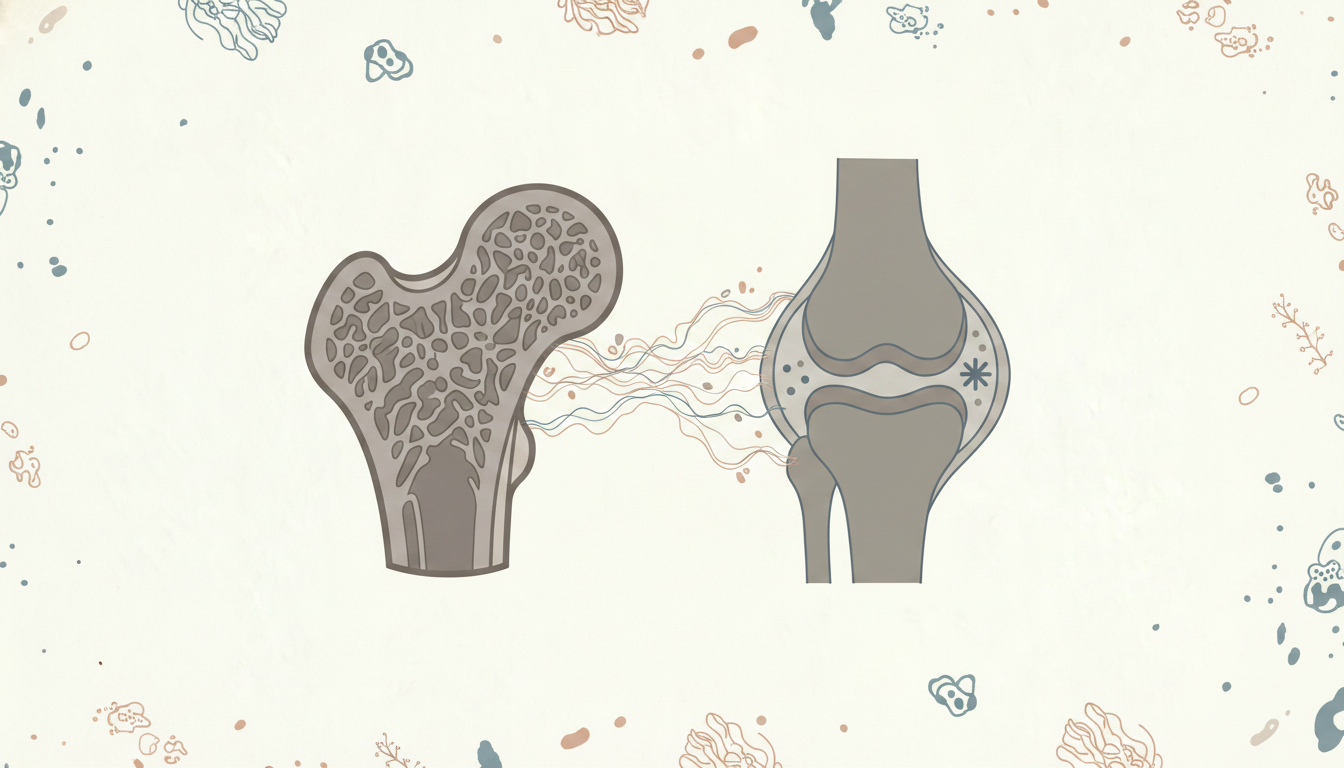
The mechanisms driving degenerative joint, muscle, and bone conditions are metabolic and immunological, not just mechanical. Chronic systemic inflammation accelerates cartilage degradation. Autoimmune cross-reactivity can target joint tissue directly. Blood sugar dysregulation impairs tissue healing and perpetuates the inflammatory cycle. Hormonal decline accelerates bone loss through pathways that a standard DEXA scan cannot characterize.
The functional medicine question is not "what does the imaging show" but "what is driving the process the imaging captured."
Bone Health Beyond the DEXA Scan
DEXA scanning measures bone mineral density at a single point in time. It tells you how much bone is there. It does not tell you whether the patient is actively losing bone right now, how fast, or through which mechanism.
Urinary bone resorption markers provide a different dimension of clinical information. They measure the rate of active bone breakdown, which means they can detect accelerated bone loss before it shows up as a change in density on a DEXA scan. They can also track the clinical response to an intervention in real time rather than waiting 12-24 months for a follow-up DEXA to show whether the approach is working.
For practitioners managing bone health, this is the difference between monitoring a static snapshot and monitoring an active process.
Muscle as a Clinical Target
The relationship between muscle mass, metabolic health, and longevity is one of the more underappreciated areas in chronic disease management. Skeletal muscle is not just a structural tissue. It is a metabolic organ that influences glucose regulation, systemic inflammation, hormonal signaling, and immune function.
Loss of muscle mass (sarcopenia) is associated with increased insulin resistance, elevated inflammatory markers, impaired immune function, and accelerated aging. For patients with chronic fatigue, metabolic dysfunction, or age-related decline, assessing and addressing muscle mass is a clinical priority, not a fitness recommendation.
Where Bone and Joint Conditions Connect to Other Systems
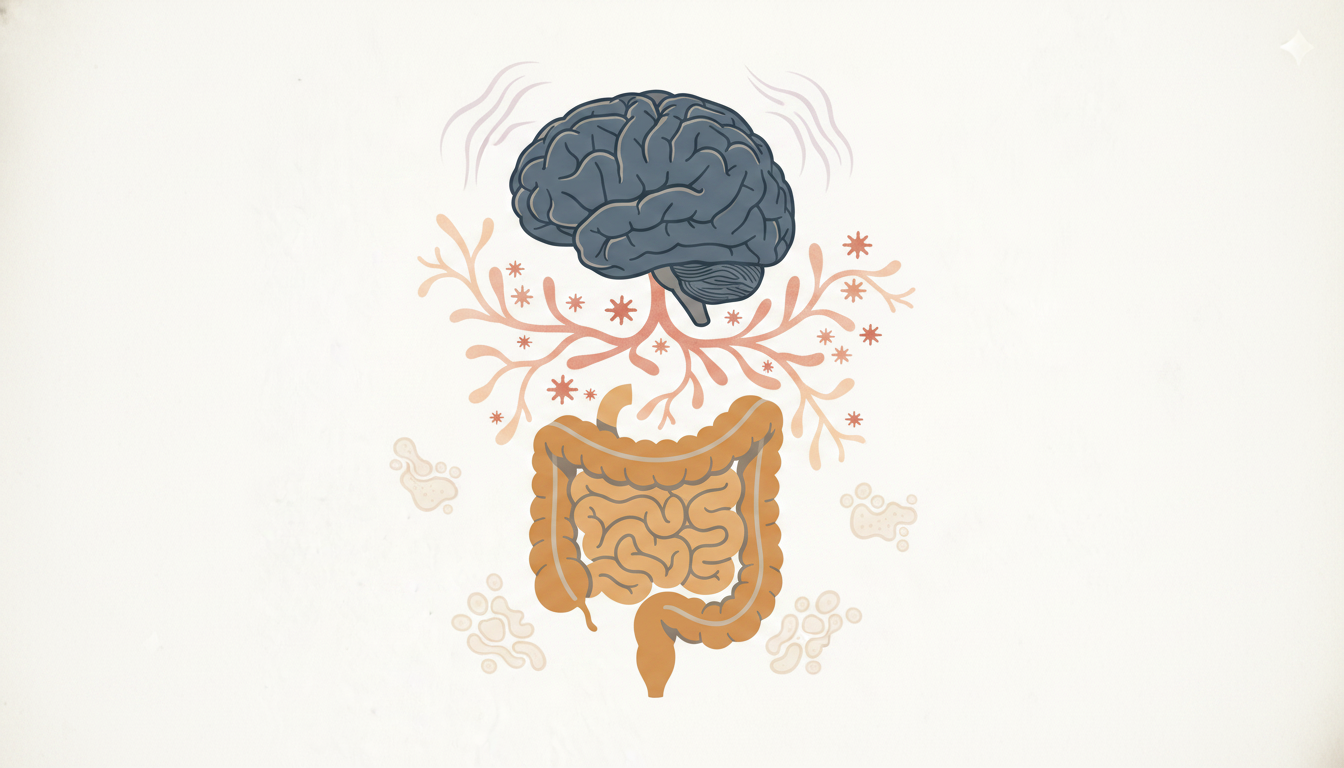
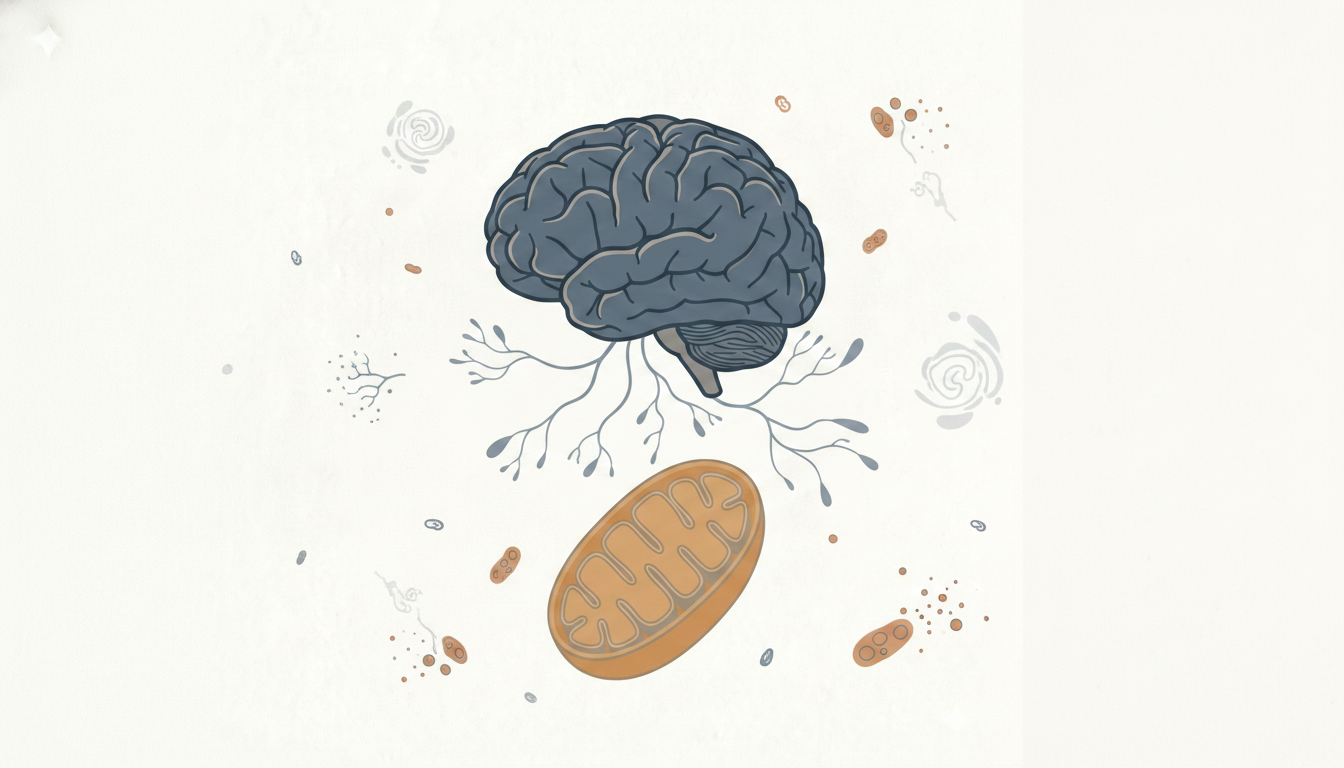
A patient with chronic joint pain may also have autoimmune markers suggesting immune-mediated joint destruction. A patient with accelerated bone loss may have underlying GI dysfunction impairing calcium and vitamin D absorption. A patient with chronic muscle weakness may have mitochondrial dysfunction or neuroinflammation affecting motor neuron signaling.
These connections are the reason functional medicine exists. The joint is not a standalone problem. It is connected to immune regulation, metabolic health, gut integrity, hormonal balance, and neurological function. The clinical value is in identifying which of those upstream mechanisms is driving the downstream structural damage.
KI's Degenerative Joint, Muscle and Bone Conditions Course
The Kharrazian Institute's foundational curriculum includes a dedicated course on Degenerative Joint, Muscle, and Bone Conditions (6 hours), taught by Dr. Datis Kharrazian. The course covers the metabolic, immunological, and hormonal mechanisms driving these conditions and the clinical strategies for assessment and management.
This course integrates with the broader KI curriculum. The Autoimmunity course provides the clinical reasoning for immune-mediated joint destruction. The Chronic Inflammation course addresses the systemic inflammatory drivers. The Hormone Imbalances course covers the hormonal contributors to bone loss. The Longevity course addresses muscle mass as a clinical target in aging.
Explore the program overview or start a free 7-day trial to explore the curriculum.