 Ordering labs, interpreting results, managing conditions—most clinicians are trained in these areas and do them well. And this is a good thing; these are all vital aspects of care.
But one thing most practitioners aren’t taught is how to read the body’s nutritional story directly. The truth is, your patient’s physical appearance holds clues that can help reveal nutrient insufficiencies before they ever show up on a lab result.
A nutrition-focused physical assessment (NFPA) takes only minutes to perform, but it could be the key to unlocking health in some of your most challenging patients. But you can’t see what you haven’t been trained to look for.
Your patients may be eating every day and still be undernourished.
- Over 60% of Americans are deficient in vitamin E.
- Iodine insufficiency affects 27% of children and 18% of adults.
- Magnesium is insufficient in roughly 60% of the population.
These deficiencies appear in the body before they appear on a standard lab panel. But the signs are there if you know where to look.
Dr. Liz Lipski can teach you how in her new Kharrazian Institute Master Class, “What Your Patients’ Bodies Are Telling You Without Words.” After you take this course, you’ll be able to quickly spot nutrient deficiencies hiding in plain sight.
Triage Theory
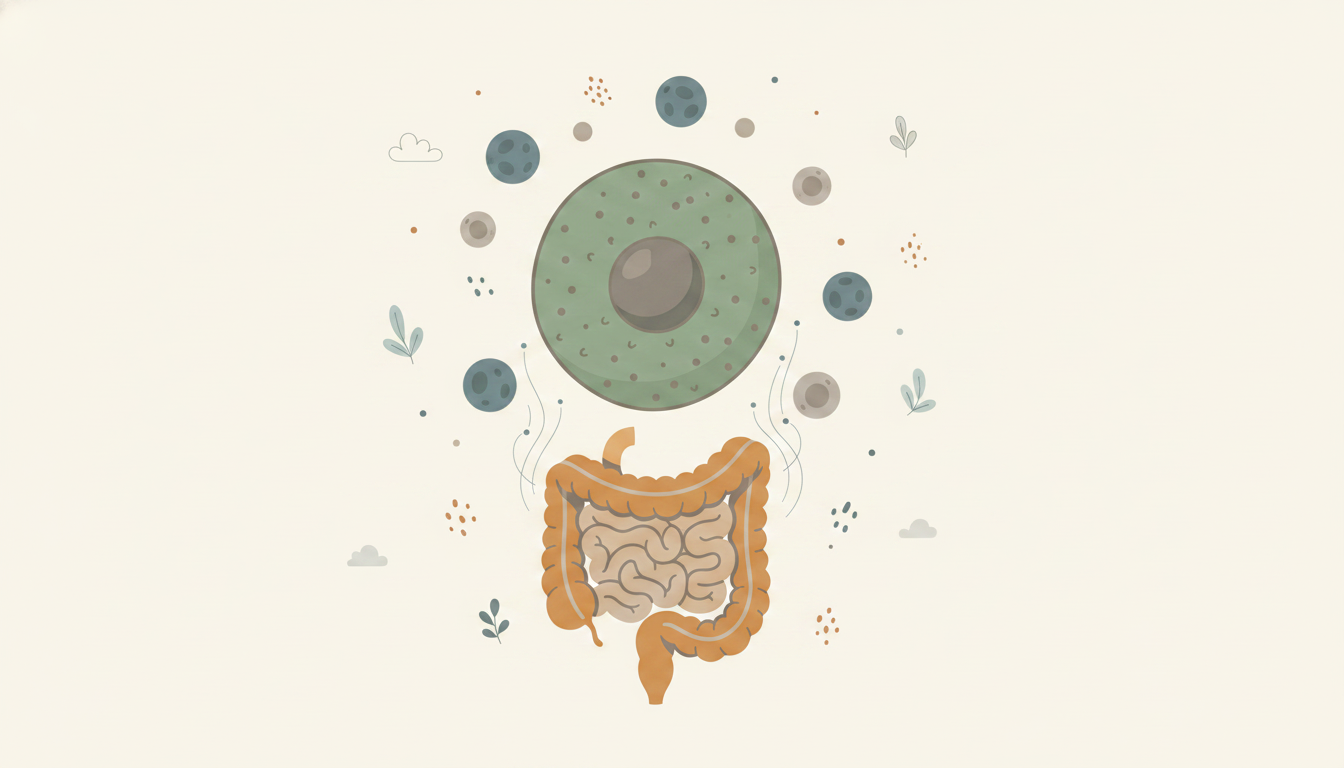
NFPAs are grounded in triage theory. According to Dr. Liz Lipski, this theory describes how the body compensates when it begins to experience nutrient depletion. In short, the body prioritizes those functions and organs most vital for survival, directing the lion’s share of nutrients to areas like the liver, lungs, heart, and major muscles.
As a result, those parts of the body that are not as critical for survival—specifically, skin, hair, nails, and the inside of the mouth—are forced to do without. Thus, they are the first places to show visible signs of nutrient insufficiency.
Which means they are also the best places for clinicians to start looking for the initial signs of malnutrition.
Nutrition-Focused Physical Assessment: The Basics
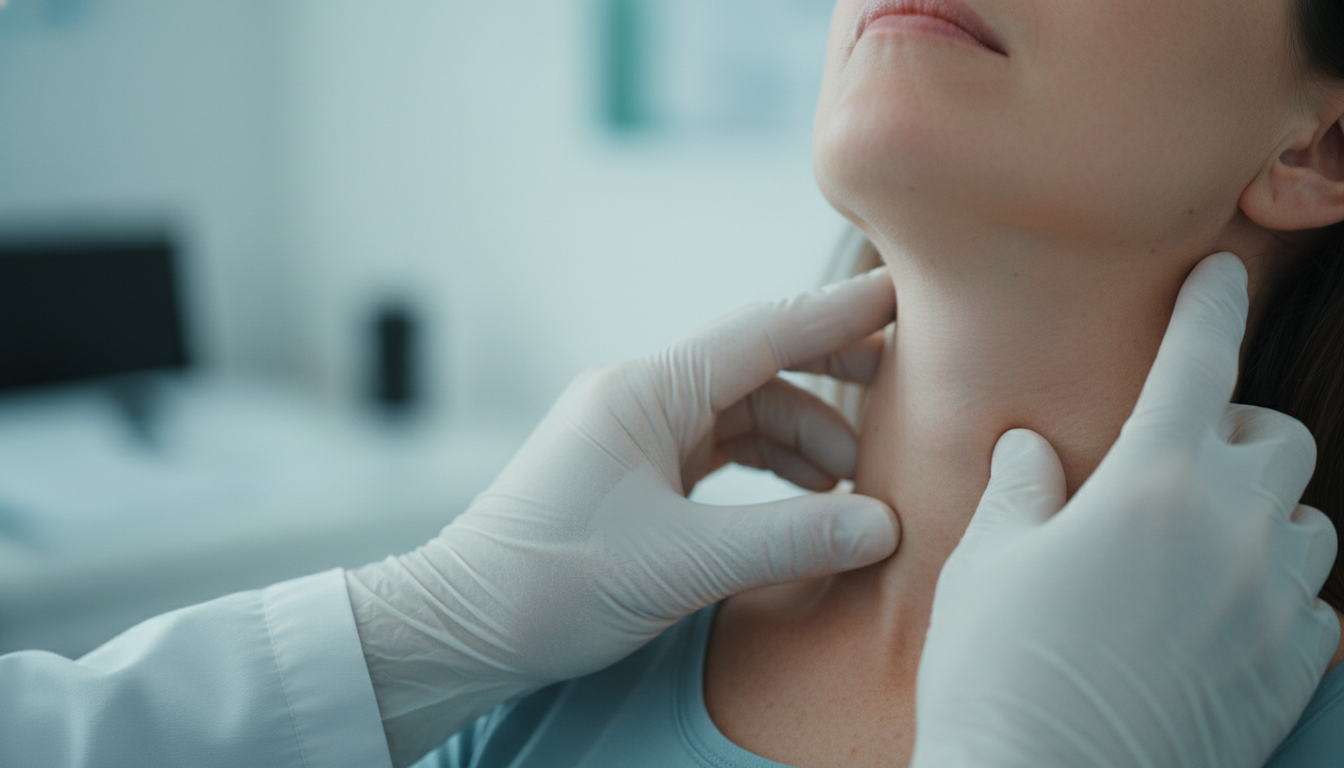
So what is a nutrition-focused physical assessment, and how can you use it in your practice? Simply put, an NFPA is a head-to-toe physical exam used to identify patterns of nutritional deficiency or excess through observing external body tissues. Dr. Lipski emphasizes that this assessment is a quick tool, often taking less than five minutes, that should be added to your existing toolkit. (Of course, NFPA findings should not stand alone but should be integrated with lifestyle assessments and confirmed through conventional or functional laboratory testing.)
She also notes that this type of physical exam was once the “bread and butter” of medicine, but it has been sidelined in recent years by telemedicine and insurance constraints. However, that doesn’t mean you can’t reestablish it in your practice. Below are some tips to get you started.
(You can learn the full NFPA process in Dr. Lipski’s Kharrazian Institute Master Class.)
General Appearance
A patient’s general appearance is often the first place to look for clues. Consider asking yourself the following questions:
- Are they oriented in time and place?
- Do they look like they just rolled out of bed, or did they take a few minutes on their appearance?
- If you are with them in a small exam room, do you notice any odors? (A sweet, acetone smell can indicate diabetes, while a fishy odor may signal trimethylaminuria, for example.)
- Are they wearing too many layers in a comfortable room? (This can be a sign of anemia or hypothyroidism.)
Hair and Scalp
The hair and scalp are the next place to look during an NFPA. Dr. Lipski recommends the “pluck test.” Gently tug on a lock of hair. If more than a few hairs come out easily, you might be dealing with protein insufficiency.
Additionally, dull, dry hair that doesn’t grow often indicates a need for protein, essential fatty acids, zinc, or vitamin A. And lanugo (very fine, feathery hair on the face) is a sign of severe calorie deficiency or anorexia—a critical red flag that should not be ignored!
For decades, Dr. Liz Lipski has been asking a question that rarely comes up in clinical training: What if the information your patients need is hiding in plain sight—and you just haven’t been taught how to read it?
Dr. Lipski’s KI Master Class, “What Your Patients’ Bodies Are Telling You Without Words,” distills a career’s worth of expertise into a systematic, learnable clinical skill you can apply starting with your next patient.
You’ll learn:
- Why hair that’s easily plucked signals protein insufficiency
- Why pale conjunctiva points to anemia before labs confirm it
- Why cracking at the corners of the mouth almost always means B vitamin depletion
And you’ll learn how to integrate this assessment seamlessly into your existing clinical visits. Click here to learn more.
Eyes and Vision
Checking the patient’s eyes and vision can also reveal nutrition-related health issues. A pale sclera or paleness inside the lower eyelid is a classic indicator of iron, B12, or folate deficiency. Bitot’s spots (yellowy patches on the eye) and nyctalopia (night blindness) are definitive signs of vitamin A deficiency.
The Oral Cavity (Lips, Mouth, and Tongue)
The lips, mouth, and tongue provide further clues to your patients’ health, says Dr. Lipski. For example:
- Chapped or cracked lips often suggest dehydration or a need for B vitamins.
- A bright red or even magenta tongue can indicate a deficiency of B12, B3, or B2.
- A thick white coating suggests fungal overgrowth (thrush or SIFO).
Skin and Nails
Finally, checking the skin and nails should always be a part of an NFPA. Skin tags are frequently a warning sign for insulin resistance or diabetes. Follicular hyperkeratosis (bumps on the back of the arms) suggests a need for vitamins A or C.
And because nails grow slowly, they act much like rings on a tree, recording past health stressors. Concave nails (koilonychia) are a strong indicator of iron-deficiency anemia. Horizontal ridges called Beau’s lines, on the other hand, suggest a protein or zinc insufficiency.
What Your Patients’ Bodies Are Telling You Without Words by Liz Lipski, PhD, CNS, FACN, IFMCP, BCHN, LDN
The ability to read your patients’ bodies for clues to their overall health is in many ways a lost art, but bringing it back to the forefront could have a measurable impact on your practice.
The good news is that conducting NFPAs is a skill that can be learned. If this brief introduction to nutrition-focused physical assessments piqued your interest, you’ll want to check out our newest KI Master Class, “What Your Patients’ Bodies Are Telling You Without Words,” taught by Dr. Liz Lipski.
This master class distills Dr. Lipski’s decades of clinical nutrition expertise into a practical, head-to-toe physical assessment you can perform in minutes. You’ll learn:
- What hair texture, color loss, and easy breakage reveal about protein and zinc
- How eyes, lips, and tongue signal deficiencies before labs catch them
- What skin, nails, and sensory changes indicate about essential fatty acids, B vitamins, and minerals
- How to use existing lab values as nutritional data you’re already collecting
Not only that, but you’ll learn how to integrate this assessment seamlessly into brief clinical visits, using observations you’re already making.
You can learn more about the course and register by clicking here.
Frequently Asked Questions
What is a nutrition-focused physical assessment (NFPA)?
An NFPA is a quick, head-to-toe physical exam that looks for outward signs of nutrient deficiencies or imbalances. It is a fast tool—often taking less than five minutes—that you can easily add to your standard patient visits.
How does triage theory explain visible nutrient deficiencies?
Triage theory suggests that when nutrients are scarce, the body sends them to the most vital organs first. Nonessential tissues like the skin, hair, and nails are the last to receive nutrients. Because of this, these areas are the first places to show visible signs of depletion, often before a lab test comes back abnormal.
Should I use NFPA findings to replace blood work?
No. An NFPA is a powerful screening tool, but it works best when integrated with other data, such as the results of lifestyle assessments and labs.
How can I master these physical assessment skills for my practice?
While the basics of NFPA are easy to understand, the real value comes from knowing how to spot subtle patterns across the whole body. If you want to move beyond the basics and gain the confidence to read your patients’ health at a glance, you can join Dr. Liz Lipski for her comprehensive KI Master Class. Click here to register for “What Your Patients’ Bodies Are Telling You Without Words” and start identifying hidden deficiencies in your practice today.