by Kharrazian Institute | Aug 6, 2026 | Blog, Neuroinflammation
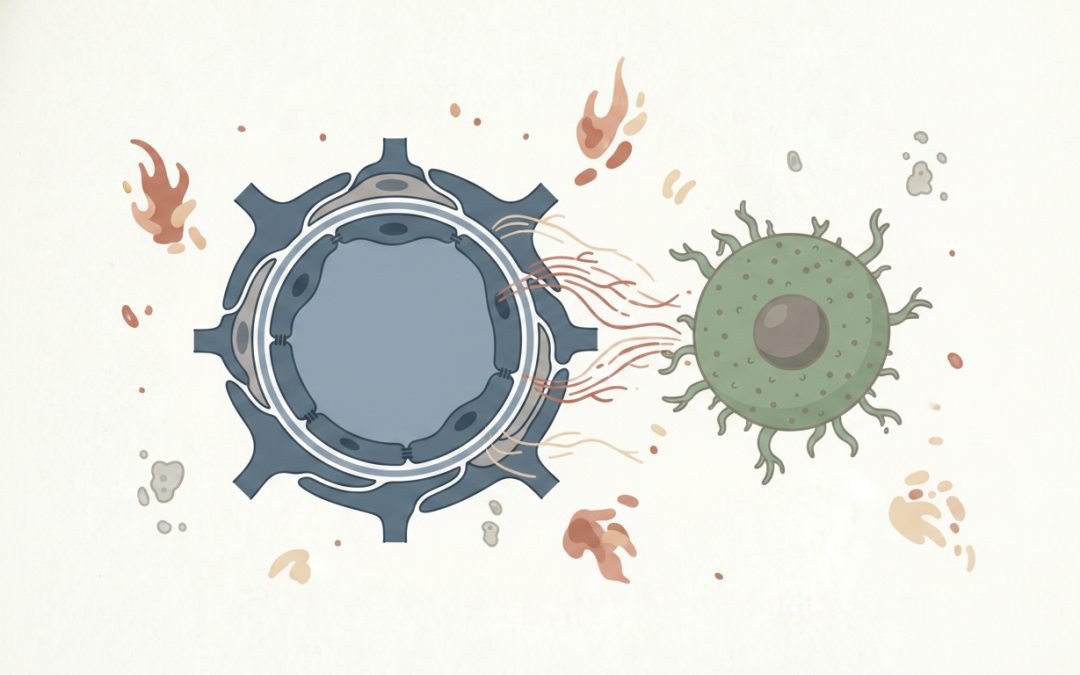
Most practitioners ordering neurological workups are looking for structural lesions, demyelination, or tumor. What they are not looking for — and what the standard workup will not show — is a compromised blood-brain barrier driving progressive neuroinflammation in a...
by Kharrazian Institute | Aug 5, 2026 | Blog, Neuroinflammation
Most practitioners know to look for gut-brain axis dysfunction when a patient presents with brain fog and fatigue. What gets missed is the patient whose neuroinflammation has nothing to do with intestinal permeability — whose driver is a traumatic brain injury from...
by Kharrazian Institute | Aug 4, 2026 | Blog, Neuroinflammation
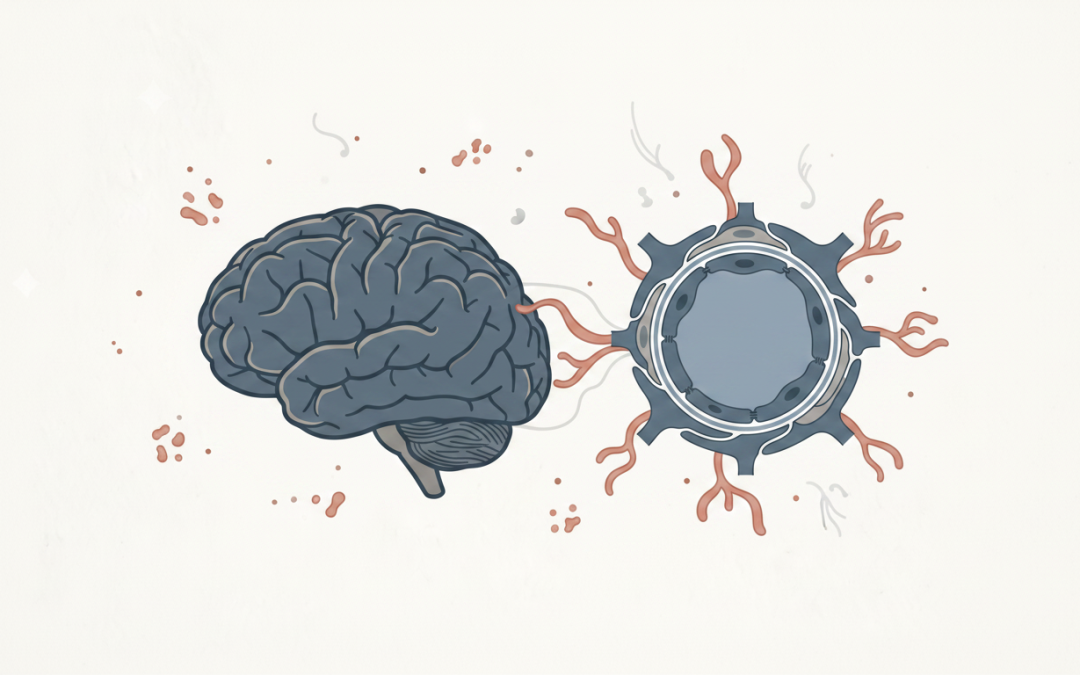
Most practitioners treating neurological cases are looking for the wrong thing. They’re searching for the trigger they haven’t identified yet — the infection, the toxin, the hormone imbalance — when the more clinically urgent problem is that the...

by Kharrazian Institute | Jun 8, 2019 | Blog, Neuroinflammation
Many of our patients today suffer from chronic anxiety and nervousness. They also may be overly sensitive to quick movements or motions (perhaps they have to close their eyes during the roller coaster ad at the start of a movie), light, sounds, crowds, emotions, and...

by Kharrazian Institute | Jun 8, 2019 | Blog, Neuroinflammation
Do you or your patients ever suffer from brain fog, that feeling like you’re disconnected from the world, moving in a daze, and slow to process information? If so, you should take this symptom very seriously as it’s one of the earliest signs of neurodegeneration, or...

by Kharrazian Institute | May 6, 2019 | Blog, Neuroinflammation
Traditional treatment for chronic depression typically involves medications that impact brain neurotransmitters — brain chemicals responsible for mood, motivation, behavior, and mental activity. However, many patients with depression do not respond well to...
