
Functional Medicine Articles

Explaining Non-Insurance Functional Labs to Skeptical Patients
Most practitioners have encountered the version of this conversation where everything is going well until the patient sees the lab requisition. The clinical picture is complex. Standard testing has been inconclusive for years. And now you’re recommending panels that...
Navigating Scope of Practice in Functional Medicine: What Practitioners Should Consider
A naturopathic doctor orders a comprehensive stool analysis, interprets elevated secretory IgA, and recommends a targeted probiotic protocol. A chiropractor uses detailed thyroid antibody panels to guide a Hashimoto's-specific dietary intervention. A nurse...

Chronic Environmental Triggers and Loss of Self-Tolerance: The Mechanism
Most autoimmune conditions don't appear overnight. They develop through a slow, cumulative process in which repeated environmental insults gradually erode the immune system's ability to distinguish self from non-self. That breakdown — the loss of self-tolerance...

Primary Hypothyroidism vs. Pituitary Fatigue: Reading the Blood Chemistry
A TSH within normal range does not mean the thyroid axis is functioning. It means the pituitary is not screaming. Those are different things. Practitioners who treat the TSH as the final word on thyroid function will miss the patient whose pituitary output has quietly...

Clinical Indicators a Patient is Too Systemically Fragile for Detox
Initiating a detox protocol on the wrong patient is one of the most consequential clinical mistakes a practitioner can make. Not because detoxification is inherently dangerous, but because the practitioners most likely to pursue it are also the most likely to attract...
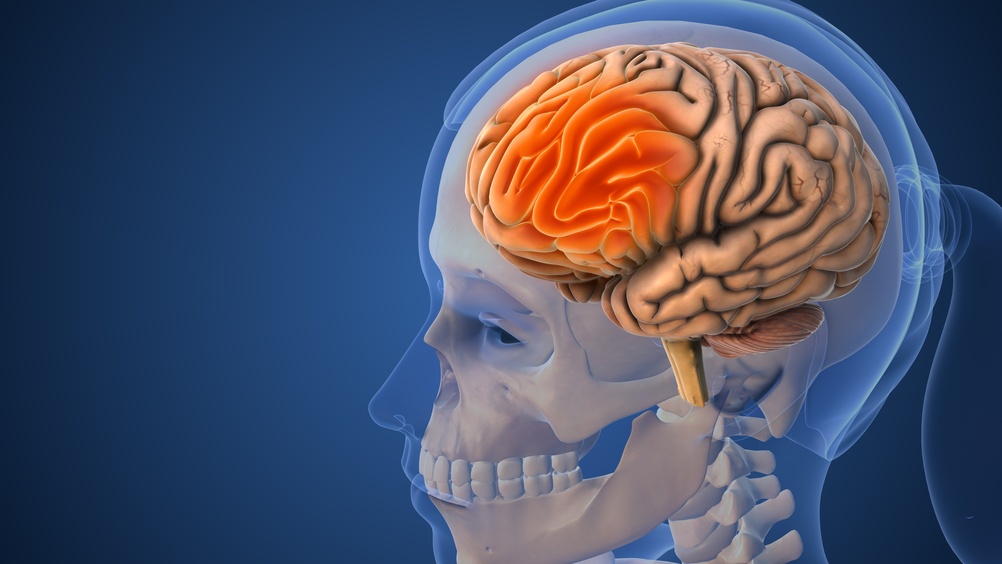
Order of Intervention: Managing SIBO and Neuroinflammation Together
Most practitioners treating SIBO and neuroinflammation simultaneously make the same sequencing error: they treat both conditions in parallel, then wonder why neither resolves. The gut-brain axis is bidirectional, but the clinical intervention sequence is not. Getting...

Why Standard Gut-Healing Protocols Fail in Autoimmune Patients
Intestinal permeability protocols built around L-glutamine, zinc carnosine, and elimination diets are not wrong. They are simply incomplete when the patient in front of you has an active autoimmune condition. The practitioner who applies the same gut-repair sequence...
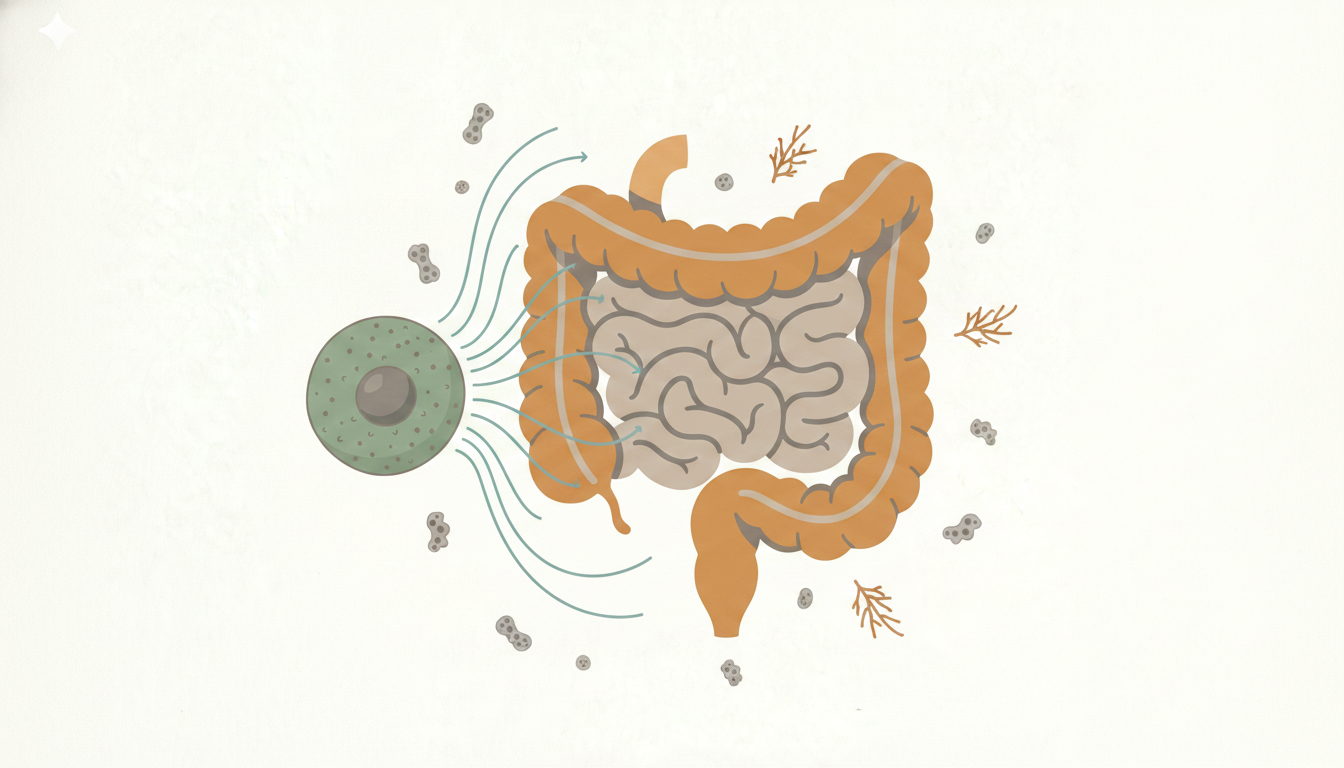
Identifying the Primary Driver: Neurogenic vs. Metabolic
Most treatment failures in complex chronic patients are not failures of the intervention — they are failures of driver identification. A practitioner treats a metabolic problem that turns out to be downstream of a neurogenic one. The patient improves partially, then...

Notice Regarding Functional Medicine University
A previous comparison between the Kharrazian Institute and Functional Medicine University (FMU) has been removed. Functional Medicine University is active, operational, and regularly enrolling students. Current program, tuition, and enrollment details are available...
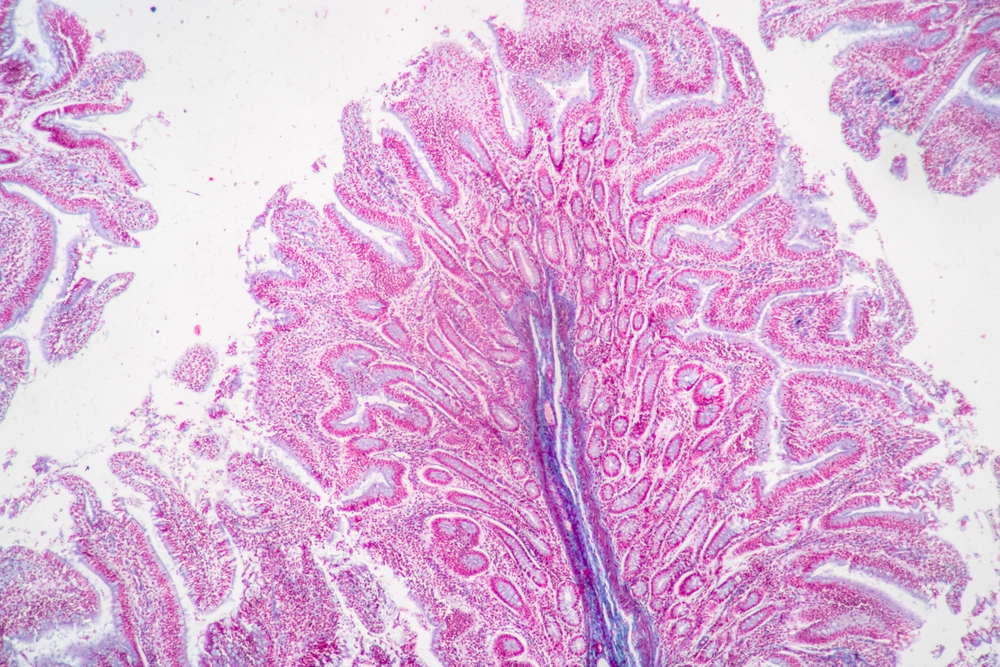
Treating a Pathology vs. Managing Systemic Dysfunction: What’s the Difference?
Most practitioners have seen this patient: every lab value is within range, every diagnosis has been ruled out, and the patient is still not recovering. The conventional workup found nothing wrong. The patient, however, is clearly not well. This is where the...

How to Develop a Clinical Triage System for Complex Multi-Symptom Cases
Most practitioners already know what it feels like to sit across from a patient carrying a folder of abnormal labs, three prior diagnoses that don't fully explain the presentation, and a symptom list that spans four organ systems. The clinical instinct is to start...

Functional Medicine for Bone and Joint Conditions: Beyond NSAIDs and Imaging
Chronic joint pain, degenerative bone conditions, and muscle dysfunction account for a significant share of the cases that drive patients to seek help beyond conventional medicine. The standard approach is familiar: imaging, anti-inflammatory medications, physical...